

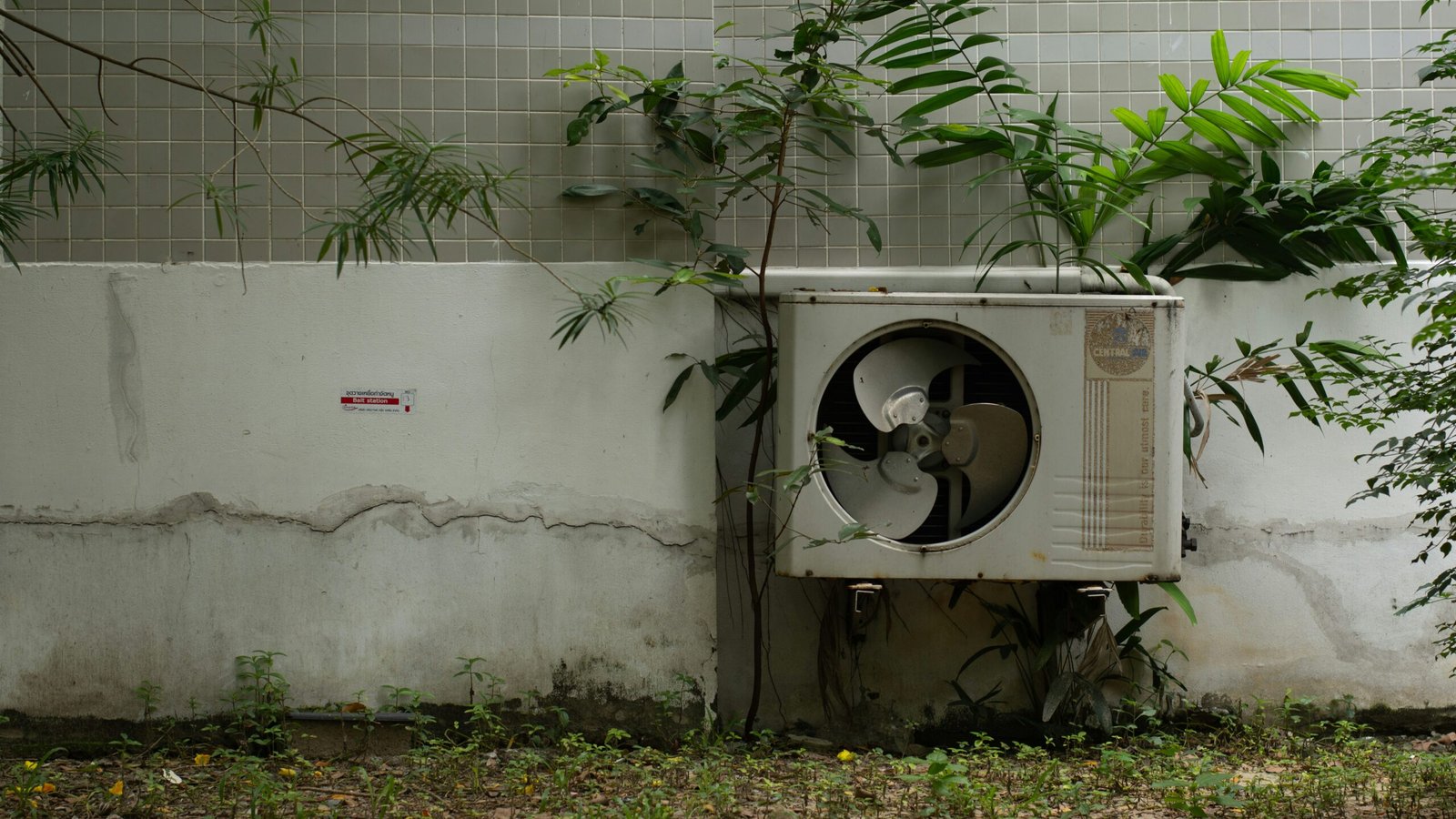
Photo by Prasopchok on Unsplash
Feeling a bit too warm inside your home can turn a relaxing day into an uncomfortable situation very quickly. Knowing when to reach out for professional air conditioning services is key to staying cool and protecting your investment. When your home equipment starts acting up, understanding the underlying cause helps you take prompt action before minor glitches turn into major system failures.
Here are four signs that your air conditioner needs help from a qualified technician. If you notice strange noises, weak airflow, or rising energy bills, you might need professional assistance right away. Recognizing these warning signs early can save you money, prevent complete breakdowns, and keep your living space comfortable throughout the hottest months of the year.
Weak Airflow or Uneven Room Temperatures
A lack of proper airflow usually means that your air conditioning unit is struggling to circulate air effectively through your home ducts.
If you notice that the air coming from your vents is weak, it is often time to call an expert. There could be a blockage in the ductwork or a mechanical problem with the blower motor itself. Additionally, weak airflow frequently leads to uneven cooling in different parts of your house. Some rooms may feel stuffy and hot while others remain reasonably comfortable. Addressing this airflow issue quickly helps maintain a pleasant temperature across every room and avoids placing unnecessary strain on the compressor.
Unusual Grinding, Squealing, or Banging Noises
Hearing unusual mechanical sounds from your air conditioning system is never a good sign and demands immediate investigation.
Sounds like grinding, squealing, or loud banging typically indicate loose internal parts, failing bearings, or other serious mechanical issues. These distinct noises suggest that a component inside the unit is broken, misaligned, or wearing down rapidly. Ignoring these strange sounds can lead to catastrophic system failure and a costly air conditioner repair later on. It is best to call an air conditioner repairman right away to diagnose the root cause and ensure that your cooling equipment is safe and running efficiently.
Unexplained Spikes in Your Monthly Energy Bills
A sudden, unexplained jump in your monthly utility costs often points to an air conditioning system that is working much harder than normal.
If your cooling equipment is struggling against hidden mechanical faults, it will consume extra power while delivering subpar results. An effective air conditioner runs smoothly and maintains your set temperature without drawing excessive electricity. Sometimes, the underlying issue can be as simple as a dirty air conditioner filter that needs cleaning or replacing. In other cases, it indicates an efficiency drop within the sealed refrigerant system. Scheduling regular air conditioning maintenance helps keep things running cost-effectively and prevents future utility bill surprises.
Water Leaks, Pooling, or Excess Moisture Around the Unit
Finding unexpected moisture or water pooling around your indoor air conditioning unit is a clear sign that something is amiss.
Water pooling near the base of the equipment can indicate a clogged condensate drain line or a refrigerant leak. Both of these problems require the prompt attention of a qualified technician to prevent further structural damage. Allowing these moisture leaks to continue unchecked can lead to secondary problems, including extensive mold growth and damaged flooring. Beyond basic cooling repairs, keeping your indoor environment healthy also involves controlling indoor humidity to improve air quality and health throughout every season.
What to Check Before You Call an Air Conditioner Repairman
Troubleshooting basic settings before scheduling a service visit can help you rule out simple, everyday user errors.
Before you place a call to a professional technician, take a few minutes to inspect your home thermostat settings. Verify that the thermostat is switched to cooling mode and set significantly lower than the current room temperature. Next, check your electrical panel to ensure that no circuit breakers connected to the air conditioning system have tripped. Finally, inspect your air filter to make sure it is not completely clogged with dust and pet dander. If these basic checks do not resolve the lack of cooling, professional intervention is definitely required.
Frequently Asked Questions About Air Conditioner Repairs
How often should I change my air conditioner filter?
Most standard air filters should be checked and replaced every one to three months depending on household usage, pets, and dust levels.
Why is my air conditioner blowing warm air?
Blowing warm air typically points to a dirty filter, blocked outdoor condenser coils, a tripped breaker, or a low refrigerant charge.
Is a refrigerant leak dangerous?
Yes, refrigerant leaks require professional repair because exposure to refrigerant is harmful and low levels will prevent your system from cooling.
How long does a typical air conditioning repair take?
Most standard diagnostic and repair visits take between one and three hours depending on the specific replacement parts needed.
Should I repair my old air conditioner or replace it entirely?
If your unit is more than ten to fifteen years old and requires frequent expensive repairs, replacement is usually more cost-effective.
Can I perform air conditioner maintenance myself?
Homeowners can safely clean or replace filters and clear debris around the outdoor unit, but complex electrical and refrigerant work requires a licensed technician.
Disclaimer: Air conditioning systems involve complex electrical and mechanical components. The details provided in this guide are for informational purposes only, and readers should verify final technical assessments and service requirements with qualified, licensed HVAC professionals.


