

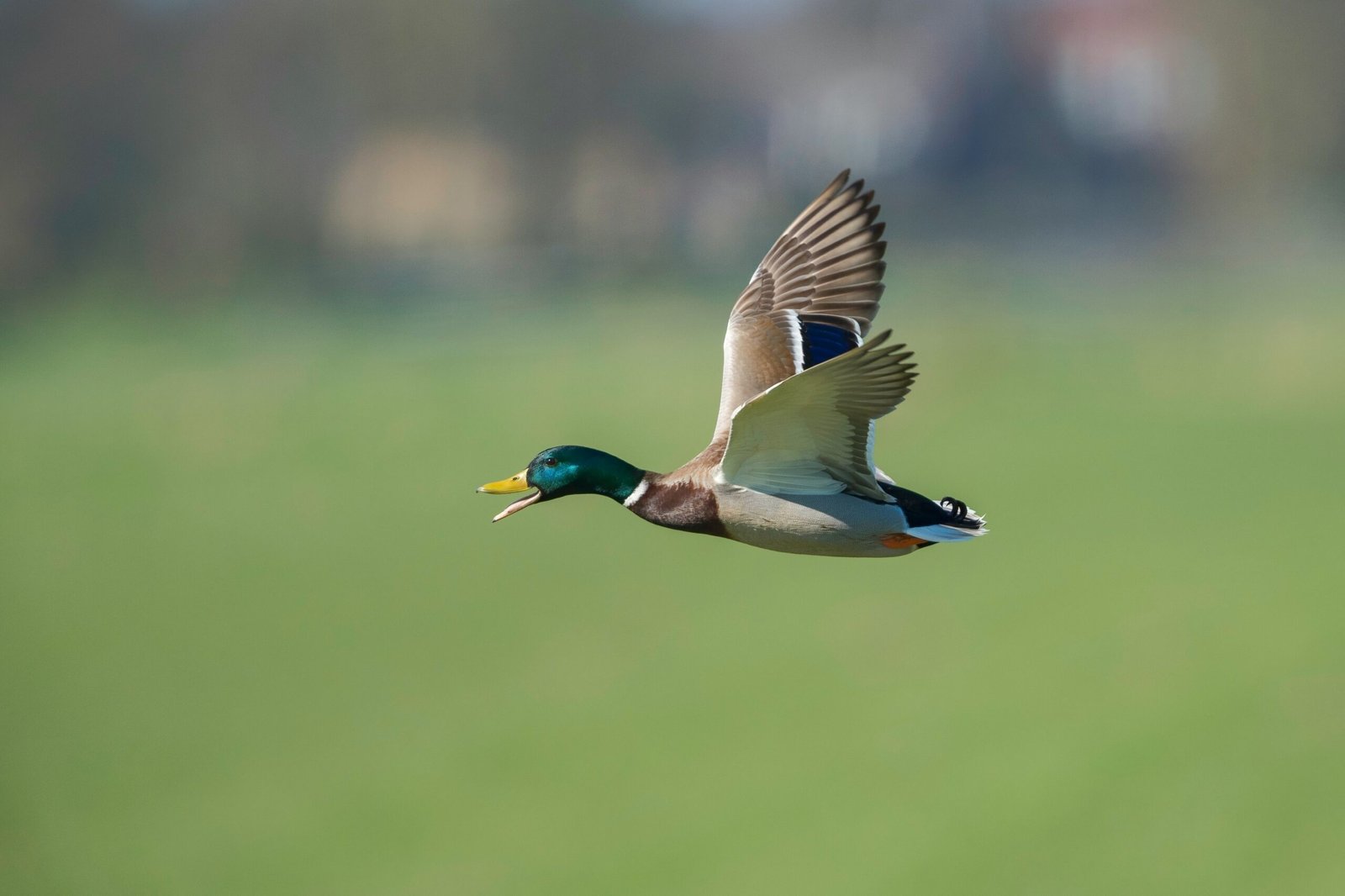
Photo by Vincent van Zalinge on Unsplash
Tired of coming home from a hunt with little to show for it? Struggling to find the right duck decoy rigs for your specific hunting environment? We have you covered with practical, field-tested guidance designed to solve your toughest spread challenges.
Waterfowl hunters know that a poor rigging setup leads to tangled lines, drifting decoys, and missed opportunities in the blind. Selecting the proper hardware saves precious time during freezing pre-dawn hours and keeps your decoy spread looking completely natural to incoming birds. We will walk you through the precise mechanics of water depths, line durability, anchor sizing, and species-specific motion setups so you can build a reliable system.
Say goodbye to frustrating pre-dawn guesswork and hello to a smoother, more efficient waterfowl season. Check out our detailed tips to find the ideal duck decoy rigging system for your next outing.
Match Your Rig Style to Bottom Conditions and Water Depth
Bottom conditions and water depth dictate whether you need a quick-stow Texas rig, a traditional wrap-around keel, or an extensive long-line trunk setup.
Hunting environments vary dramatically from stagnant marsh potholes to swift river channels and deep open lakes. In shallow marshes with thick sub-surface vegetation, a Texas rig featuring a sliding cord and a carabiner clip allows hunters to pick up decoys instantly by hand without wading through heavy mud. Conversely, open-water divers require long-line setups where multiple weighted drop lines connect to a heavy main trunk line to keep a massive spread anchored against rolling waves. Evaluating your primary hunting location ensures your gear deploys cleanly and holds fast against shifting underwater currents.
Evaluate Line Materials for Cold Weather Resilience
Choosing between monofilament, heavy nylon cord, or PVC-coated wire lines prevents stiff, unmanageable coils during freezing winter temperatures.
Standard monofilament lines often retain memory curls and become brittle when temperatures plunge below freezing, turning routine decoy placement into a tangled mess in the dark. Upgrading to PVC-coated steel cables or braided heavy-duty nylon lines eliminates water absorption and resists abrasion from sharp zebra mussels, submerged timber, and rocky bottoms. Furthermore, cutting your line length roughly twenty to thirty percent longer than your maximum water depth provides the necessary slack for decoys to ride comfortably on top of chop without pulling their anchors free during unexpected surges.
Calculate Precise Anchor Weights for Wind and Wave Resistance
Proper anchor weight selection stops magnum-sized decoys from dragging across the water or flipping over during high-wind waterfowl sessions.
Waterfowl hunters frequently underestimate the sheer surface drag that high winds exert on hollow plastic decoy bodies. While standard two-ounce mushroom or strap weights suffice in calm farm ponds, breezy lakes and river currents demand heavier three-to-six-ounce anchor configurations to maintain position. Matching your anchor mass to the local wind velocity ensures your decoys maintain an upright, inviting posture instead of bunching up into an unnatural cluster.
| Hunting Environment | Recommended Rig Style | Optimal Line & Anchor Spec |
|---|---|---|
| Shallow Marshes & Potholes | Sliding Texas Rig | Monofilament / 2 oz. to 3 oz. mushroom |
| Swift Rivers & Creeks | Fixed Heavy-Cord Rig | Braided nylon / 4 oz. to 6 oz. river anchor |
| Large Open Lakes | Trunk Long-Line Setup | Coated cable / 5 lb. to 10 lb. end-weights |
Configure Rig Spacing to Mimic Target Species Behavior
Decoy movement and spacing configurations must adapt directly to whether you are pursuing cautious puddle ducks, aggressive divers, or migrating geese.
Puddle species like mallards and teal prefer loose, randomized spreads where individual rigs allow decoys to swivel and pivot naturally with minor air currents. Diving ducks naturally travel in tight, orderly lines and respond best to continuous string setups that replicate active feeding behavior over deeper aquatic vegetation beds. Maintaining your hardware with corrosion-resistant carabiners and heavy swivel clips ensures your entire spread stays organized season after season. For property owners and outdoor enthusiasts looking to optimize their gear storage spaces between hunting trips, see our guide on quality window manufacturers to ensure your gear sheds and equipment rooms are properly sealed against seasonal moisture.
Frequently Asked Questions
What makes a Texas rig superior for marsh hunting?
A Texas rig features a sliding weight that travels freely up the line to the decoy keel, allowing hunters to pick up and store spreads instantly without messy cord wraps.
How do I stop my decoy lines from freezing in sub-zero weather?
Switching to PVC-coated steel cables or heavy braided nylon prevents water saturation, stopping your lines from turning into stiff, unmanageable wire coils.
What anchor weight is ideal for standard mallard decoys?
A two-to-three-ounce mushroom or strap anchor is generally sufficient for holding standard mallards in normal pond and marsh conditions.
When should I utilize a long-line decoy setup?
Long-line setups work best in deep open water where deploying dozens of individual anchors would require excessive physical labor and time.
Do high winds require heavier anchor adjustments?
Yes, strong winds generate substantial drag on decoy bodies, requiring heavier weights to prevent your entire spread from drifting out of range.
How much extra line should I add above water depth?
You should add roughly twenty to thirty percent more line than your maximum depth to account for wave action and changing water levels.
How can I keep my rigging lines organized in storage?
Using heavy-duty carabiners to bundle your decoy weights together keeps lines untangled and ready for quick deployment on your next trip.
Disclaimer: Waterfowl hunting regulations, local water conditions, and gear requirements vary significantly by region. Always confirm current state and federal wildlife guidelines before setting your spread in the field.


