

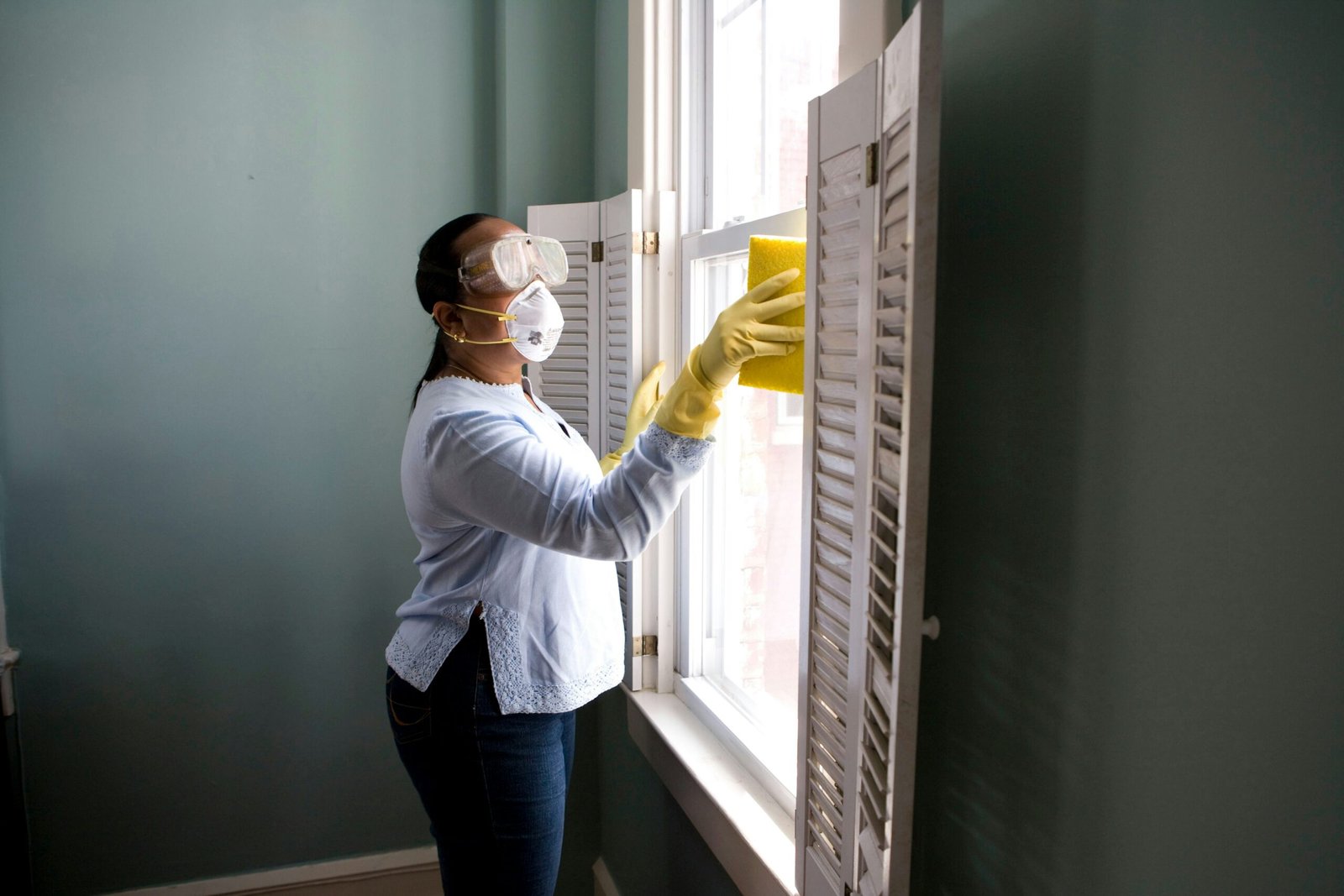
Keeping a house clean and orderly is important for daily health and personal peace of mind, but cleaning can easily feel overwhelming when approached without a clear strategy. That is why building a structured general cleaning checklist is so helpful for homeowners. A thoughtful checklist prevents tasks from piling up, removes the guesswork from daily maintenance, and ensures that no room or hidden surface gets neglected.
Many people struggle with chore lists because they try to clean the entire house in one exhausting weekend sprint. Instead, a well-designed routine breaks chores down into manageable segments based on specific home zones and natural household traffic patterns. Establishing a reliable plan helps you maintain a clean living space with far less stress and frustration.
To build a system that genuinely works for your lifestyle, you need to look beyond generic templates and focus on the practical habits of your household. The following four methods outline how to design, format, and maintain an actionable routine that keeps your living spaces pristine year-round.
Map Out Your Home’s Zones and Traffic Patterns
Mapping out specific home zones and high-traffic pathways allows you to identify exactly which areas require the most frequent attention before you start writing down chores.
Every household has distinct zones that accumulate dirt, dust, and clutter at different rates. The entryway, hallway, and main kitchen areas typically experience heavy daily use, while guest bedrooms or formal dining spaces might see very little activity week to week. Walking through your living space with a notebook helps you observe these real patterns rather than guessing what needs work.
List every room in your home and note the specific trouble spots that attract messes in your particular household. For instance, a home with pets or young children will need floor maintenance scheduled much more frequently than a single-person apartment. Tailoring your zones to your actual lifestyle ensures your cleaning plan remains realistic and effective.
Establish Your Frequency Tiers for Daily, Weekly, and Monthly Tasks
Establishing clear frequency tiers divides household chores into daily, weekly, and monthly intervals so that your workload stays manageable.
Spreading responsibilities across different timeframes prevents burnout and keeps the home consistently tidy without requiring hours of nonstop scrubbing. Daily tasks should be quick habits that take just a few minutes, such as making beds, washing breakfast dishes, wiping down kitchen counters, and clearing stray clutter off main surfaces. These small daily actions stop messes from compounding into massive weekend projects.
Weekly tasks involve deeper cleaning steps that do not need daily attention, such as vacuuming carpets, mopping hard floors, changing bed linens, and thoroughly scrubbing bathroom fixtures. Monthly tasks handle infrequent maintenance items like washing interior windows, dusting ceiling fan blades, wiping baseboards, and sorting through storage closets. Organizing chores into these distinct frequency brackets turns an intimidating list into a predictable rhythm.
| Frequency Tier | Target Areas | Typical Chores Included |
|---|---|---|
| Daily | Kitchen, bedrooms, living room | Wipe counters, wash dishes, make beds, put away loose items |
| Weekly | Floors, bathrooms, high-touch surfaces | Vacuum rugs, mop hard floors, scrub toilets and showers, dust furniture |
| Monthly | Windows, baseboards, deep storage | Wash windows, wipe baseboards, launder heavy curtains, clean pantry shelves |
Break Down Overwhelming Rooms Into Micro-Tasks
Breaking down large, high-friction rooms into smaller micro-tasks makes daunting spaces much easier to clean in short bursts of time.
Tackling an entire kitchen or a large bathroom all at once often causes procrastination because the project feels too massive to finish easily. Dividing a room into discrete micro-tasks lets you complete cleaning steps individually whenever you have ten or fifteen spare minutes. For example, instead of committing to an hour-long kitchen scrub, you can wipe the microwave and toaster on Monday, clean out the refrigerator door shelves on Tuesday, and mop the floor on Wednesday.
This incremental approach works especially well for busy professionals and families who cannot spare large blocks of uninterrupted time for housework. Breaking larger rooms into smaller steps also builds a sense of steady progress and accomplishment, which keeps motivation high over the long term.
Choose Your Format and Involve the Household in Maintenance
Choosing a practical physical format and delegating tasks to other household members ensures your checklist stays active and effective.
A cleaning checklist only helps if people actually look at it and use it. Some homeowners prefer a traditional paper checklist printed out and placed on a refrigerator or tucked inside a household binder, while others prefer digital task apps shared across family smartphones. If you choose a paper format, slipping it inside a clear plastic sheet protector and using a dry-erase marker allows you to reuse the same sheet week after week.
Cleaning should never fall entirely on one person when multiple people share a living space. Assigning specific age-appropriate chores or weekly zone rotations to other family members fosters shared accountability and keeps the home running smoothly. If your routine ever needs a major reset after a busy season or home improvement project, professional deep-cleaning services can step in to handle the heavy lifting while you establish a fresh baseline. For homeowners looking to upgrade more than just their cleaning habits, exploring smart ways to finance your dream home renovation can also help fund deeper structural improvements.
Frequently Asked Questions
How often should I revise my general cleaning checklist?
You should review and update your cleaning checklist every few months or whenever your household routine changes, such as welcoming a new pet, changing work schedules, or moving to a new home.
Should children participate in the household cleaning checklist?
Yes, involving children with age-appropriate chores like tidying toys, making their beds, or clearing the dinner table teaches responsibility and lightens the overall workload.
Is a digital cleaning app better than a paper checklist?
It depends entirely on personal preference; digital apps offer automated reminders and easy sharing, whereas paper checklists provide a satisfying physical way to check off completed items.
What should I do if I fall behind on my cleaning schedule?
If you fall behind, do not try to catch up all at once. Focus on essential daily tasks first, and schedule your weekly chores over the next few days without stressing over missed items.
How long should daily cleaning tasks take?
Daily cleaning tasks should ideally take no more than fifteen to thirty minutes total when done consistently as small habits throughout the day.
Can a cleaning checklist help reduce household allergens?
Yes, a consistent schedule that includes regular dusting, vacuuming, and washing bedding significantly reduces dust mites, pet dander, and other indoor allergens.
Disclaimer: Cleaning needs vary significantly depending on household size, lifestyle, and property layout. The recommendations provided in this guide are general suggestions intended to help you design a personalized routine; adapt these principles to fit your specific household requirements.


[…] For homeowners interested in broader home maintenance insights, reviewing professional guides like building a general cleaning checklist can provide additional helpful organizational […]