

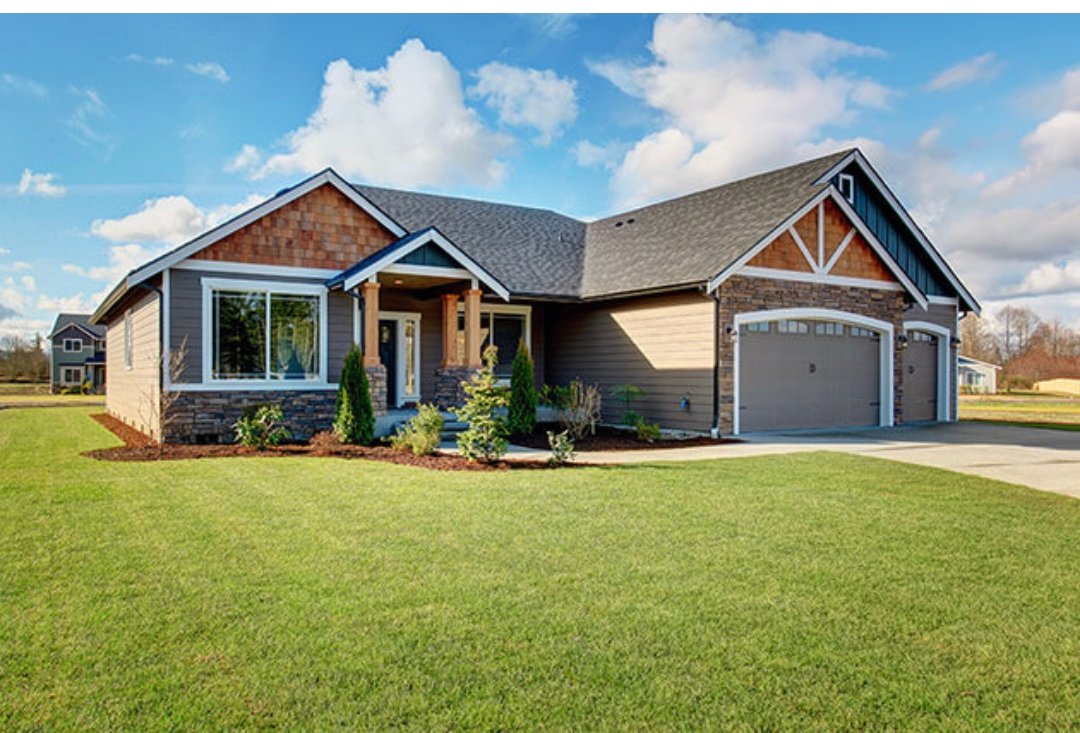
Ohio offers a diverse economic landscape, rich American heritage, and wide-ranging geographic regions that provide a variety of housing options catering to different lifestyles and budgets. Whether you are a first-time homebuyer, a growing family, or a retiree, the Buckeye State’s housing market presents unique opportunities and challenges. This guide provides an in-depth look at houses for sale in Ohio, from bustling metropolitan hubs to serene rural retreats, and outlines essential tips to guide your home-buying journey.
Exploring Major Ohio Metro Areas
Ohio real estate is heavily driven by distinct regional economic centers like Columbus, Cincinnati, and Cleveland, each offering unique urban and suburban living environments.
As the state capital and largest city, Columbus boasts a dynamic housing market with a mix of historic properties and new developments. The city’s continuous growth in tech and education sectors has made Columbus a primary hotspot for professionals and families alike. Down the state, Cincinnati sits on the banks of the Ohio River and offers a rich architectural legacy, particularly with its well-preserved 19th-century buildings in neighborhoods like Over-the-Rhine. Cincinnati combines cultural depth with a strong corporate presence, providing ample opportunities for both work and leisure. Meanwhile, Cleveland is known for its robust arts scene and lakeside attractions, featuring a range of housing options from luxury downtown apartments to charming single-family homes in historic suburbs like Shaker Heights and Cleveland Heights.
Analyzing Current 2026 Home Prices and Market Conditions
Current market conditions across Ohio reflect steady price appreciation alongside tight inventory in high-demand suburban ring communities.
While historical medians were considerably lower, current median home values in many competitive Ohio metro areas typically range between $240,000 and $275,000 or higher depending on the specific county and property type. Urban centers tend to have higher property values due to concentrated buyer demand, whereas rural counties offer more land and larger structures at more accessible price points. Mortgage interest rate fluctuations also play a significant role in monthly purchasing power, making pre-approval an essential first step for serious buyers entering the market.
| Region / Metro Area | Primary Housing Characteristics | General Market Vibe |
|---|---|---|
| Columbus Metro | New construction, modern townhomes, fast-growing suburban developments | High demand, competitive bidding in choice school districts |
| Cincinnati Metro | Historic urban architecture, riverfront condos, established family neighborhoods | Steady appreciation, diverse architectural styles |
| Cleveland Metro | Lakeside properties, classic single-family homes, historic inner-ring suburbs | Stable inventory, balanced neighborhoods |
Selecting Between Urban, Suburban, and Rural Properties
The housing stock in Ohio matches its varied landscape, ranging from compact urban spaces to sprawling rural acreage.
Urban apartments and condominiums are ideal for young professionals and buyers seeking a low-maintenance lifestyle close to downtown cultural amenities and employment opportunities. Suburban single-family homes offer more square footage and yards for growing families, usually positioned within neighborhoods featuring strong local school districts. For those seeking maximum privacy, rural farmhouses and acreage properties provide an escape from city density. When evaluating these rural or older properties, smart buyers also examine long-term factors like financial miscalculations or poorly timed investments to avoid unexpected pitfalls, much like avoiding risks associated with poor market timing when acquiring real estate assets.
Evaluating Neighborhoods and Seasonal Weather Factors
Purchasing real estate requires careful evaluation of neighborhood dynamics, financial boundaries, and seasonal environmental factors.
Buyers should always weigh proximity to employment centers, quality of local school districts, and neighborhood safety standards before making an offer. Financial planning must account for potential inspection findings, property taxes, and immediate renovation needs. Furthermore, Ohio experiences all four distinct seasons with harsh winter conditions, making it vital to inspect heating systems, roofing durability, and overall insulation quality.
Following the Ohio Real Estate Buying Process
Navigating the transaction process successfully involves a structured sequence from initial financing to final closing.
- Mortgage Pre-Approval: Secure a pre-approval letter before browsing listings so you know your exact purchasing capacity in the current lending environment.
- Local Agent Representation: Partner with a licensed real estate agent who understands regional zoning laws, neighborhood nuances, and competitive negotiation strategies.
- Comprehensive Home Inspection: Hire an independent inspector to uncover any structural defects, roof wear, plumbing concerns, or electrical hazards.
- Closing and Title Finalization: Complete the final walkthrough, review title searches, and execute loan documents to transfer ownership legally.
Conclusion
Finding the right home in Ohio comes down to matching your lifestyle goals with the correct regional market and maintaining strict financial discipline. Whether you choose a bustling city center or a quiet suburban neighborhood, thorough preparation will ensure a smooth transaction. Always verify final property data, tax rates, and lending requirements with official local sources before finalizing any real estate contract.
Frequently Asked Questions
What is the average price of a home in Ohio?
Median home values vary significantly by region, but many competitive metro areas sit between $240,000 and $275,000, while rural counties offer lower averages.
Are property taxes high in Ohio?
Ohio property taxes vary widely by county and municipality, so buyers should check specific local millage rates before committing to a purchase.
Which Ohio city is best for growing families?
Suburban areas surrounding Columbus, Cincinnati, and Cleveland are widely popular among families due to highly rated school districts and community amenities.
Do I need a real estate agent to buy a home in Ohio?
While not legally required, working with a knowledgeable local real estate agent helps protect your interests during negotiations and contract reviews.
How is the inventory level in the Ohio housing market?
Inventory can fluctuate seasonally, with high demand and limited supply often creating competitive conditions in desirable suburban neighborhoods.
What should I look for during a home inspection in Ohio?
Inspectors should carefully evaluate roofing condition, basement moisture control, HVAC systems, and winter weather insulation effectiveness.
Is Ohio considered an affordable state for homebuyers?
Yes, compared to coastal housing markets, Ohio generally offers a more attainable cost of living and favorable price-to-income ratios.

Daniel J. Morgan is the founder of Invidiata Magazine, a premier publication showcasing luxury living, arts, and culture. With a passion for excellence, Daniel has established the magazine as a beacon of sophistication and refinement, captivating discerning audiences worldwide.


