
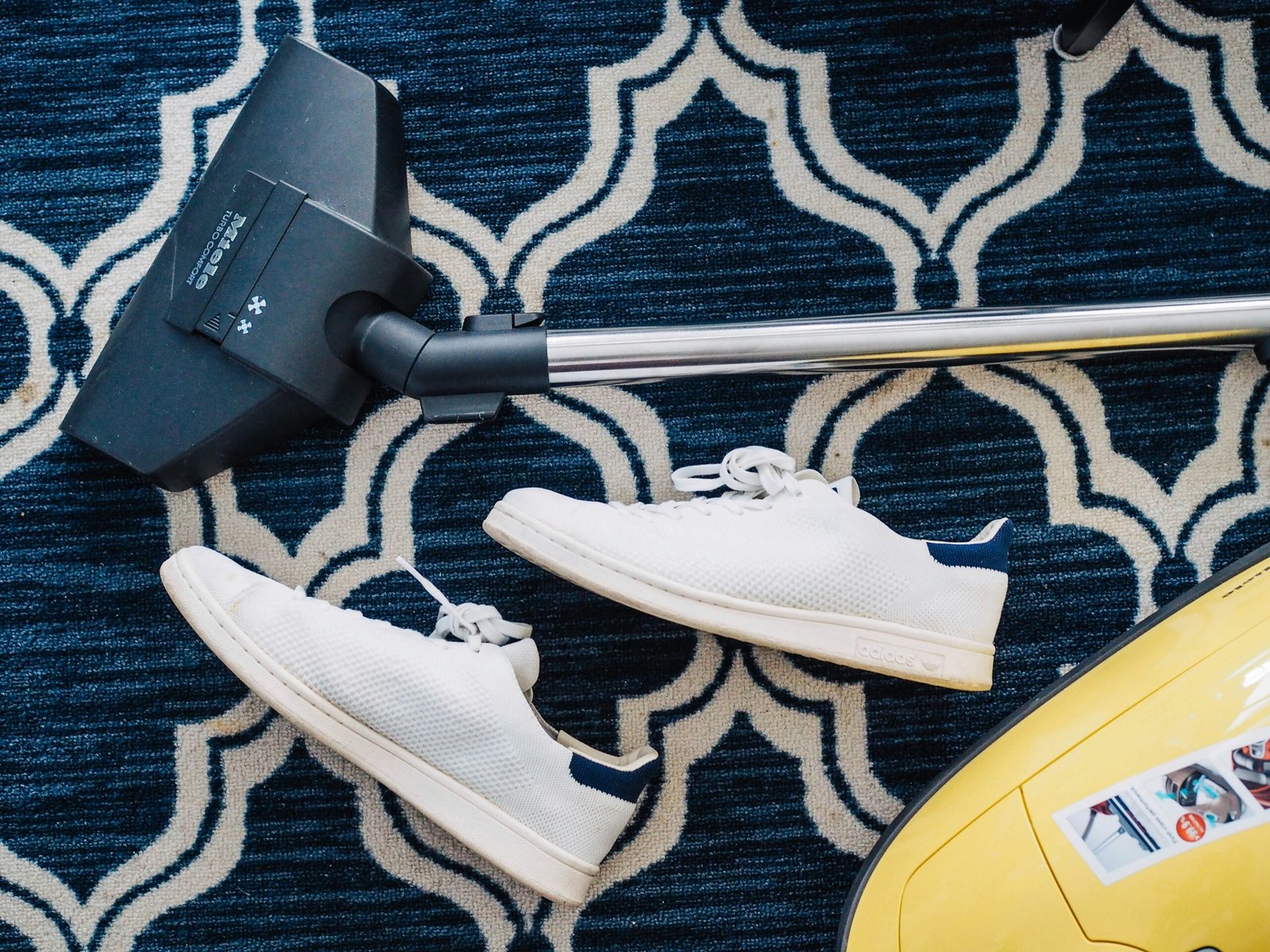
Homeownership requires ongoing dedication to keeping living spaces secure, comfortable, and visually appealing. While large investments often center on roof repairs or kitchen upgrades, day-to-day comfort depends heavily on ground-level care. Neglecting indoor surfaces allows dirt and grit to accumulate rapidly, creating an unhealthy environment and wearing down materials prematurely. Using a proper floor mopping liquid cleaner tailored to specific surface materials transforms basic maintenance into an effective strategy for preserving property value and daily health.
How Regular Surface Debris Removal Protects Indoor Air Quality and Reduces Allergens
Routine surface cleaning captures trapped dust, pollen, pet dander, and microscopic debris before those particles can circulate into the breathable air. Flooring materials function as a primary landing pad for everything tracked in from outside, including outdoor soil and environmental pollutants. When left unmanaged, everyday foot traffic kicks these settled particles back into the breathing zone, triggering asthma or allergy flare-ups for sensitive family members. Wiping horizontal surfaces with a damp mop and a specialized cleaning agent traps these contaminants effectively rather than launching them back into the air like dry sweeping or dusting often does.
Extending the Functional Lifespan of Diverse Flooring Materials
Proper cleaning practices protect the physical structure and factory finish of various surface types against abrasive wear and tear. Microscopic dirt particles act like tiny grains of sandpaper underfoot, gradually scratching polyurethane wood finishes, dulling laminate seals, and eroding delicate tile grout over time. Different horizontal finishes demand specific chemical formulations; for instance, natural stone requires pH-neutral solutions, while sealed hardwood tolerates minimal moisture to prevent warping. Homeowners who carefully match their floor mopping liquid cleaner to their particular surface type prevent premature breakdown and avoid expensive renovation projects down the road.
Maintaining Proper Household Hygiene and Preventing Everyday Slipping Accidents
Consistent sanitation eliminates harmful bacteria, kitchen grease residues, and slippery film build-ups that contribute to domestic slip-and-fall accidents. High-traffic zones like entryways and cooking spaces are especially vulnerable to tracked-in moisture and organic spills that form ideal breeding grounds for germs and pest attractions. A thorough mopping routine sanitizes the top layer and removes invisible sticky residues that invite insects into living areas. Maintaining rigorous cleanliness standards is critically important when managing residential spaces or when maintaining a clean home if you have little kids who spend much of their day playing directly on the floorboards.
Preventing Small Chores from Snowballing Into Overwhelming Projects
Light, regular cleaning sessions require minimal physical exertion compared to the grueling hours needed to restore a heavily neglected surface. When dirt and grime accumulate over weeks, removing stubborn stains demands harsh scrubbing tools, aggressive chemical strippers, and substantial manual labor. Sticking to a consistent cleaning schedule transforms a daunting deep-clean into a quick, manageable weekly or bi-weekly habit. This proactive approach preserves cleaning supplies, reduces wear on mops and buckets, and ensures the home always remains presentable for unexpected guests.
Setting a Clean Visual Baseline for the Entire Living Space
A spotless ground plane creates an immediate psychological and visual impression of order, neatness, and thoughtful property care. When the lowest surface in a room is polished and clean, the entire interior feels brighter, more spacious, and more welcoming to visitors. This visual baseline inspires homeowners to keep other surrounding surfaces tidy, preventing clutter from accumulating on tables and counters. Furthermore, matching floor upkeep with complementary home features, such as strategic living room illumination techniques, accentuates the natural beauty and warmth of any interior design style.
Frequently Asked Questions
How often should household floors be mopped?
High-traffic areas like kitchens, entryways, and hallways typically require mopping at least once a week, while low-traffic rooms can be cleaned every two weeks. Homes with pets, toddlers, or frequent visitors may need more frequent spot-cleaning or weekly full-room mopping.
Can I use plain water to mop all floor types?
Plain water is insufficient for breaking down greasy residues, sanitizing surfaces, and removing stubborn grime. While water works for light dust, adding a specialized, surface-safe cleaning solution is necessary for true hygiene and deep stain removal.
Is it safe to use multi-purpose cleaner on hardwood floors?
Most standard multi-purpose cleaners are too harsh for hardwood and can strip the protective polyurethane finish. Hardwood floors require dedicated pH-neutral cleaners specifically formulated to clean without leaving moisture-trapping residues.
How do I prevent streaks after mopping tile or laminate?
Streaks usually occur from using too much cleaning product or failing to rinse the floor with clean water afterward. Using the correct dilution ratio and drying the surface with a microfiber mop head eliminates cloudy residue.
Does regular floor cleaning help eliminate household odors?
Yes, because trapped organic matter, pet oils, and spilled liquids decay over time and release unpleasant smells into the room. Cleaning the surface removes these odor sources at the molecular level rather than just masking them with artificial fragrances.
What is the best way to tackle sticky spots before mopping?
Spot-treat stubborn sticky areas with a damp cloth and a small amount of targeted cleaner before beginning your general mopping routine. Letting the cleaner sit on the spot for a minute loosens the residue so you do not have to scrub aggressively.
Disclaimer: The home maintenance tips and cleaning practices outlined in this guide are provided for informational purposes only. Cleaning product formulations and flooring materials vary widely; homeowners should always consult manufacturer instructions and verify specific product compatibility before applying any cleaner to their floors.

Daniel J. Morgan is the founder of Invidiata Magazine, a premier publication showcasing luxury living, arts, and culture. With a passion for excellence, Daniel has established the magazine as a beacon of sophistication and refinement, captivating discerning audiences worldwide.


