
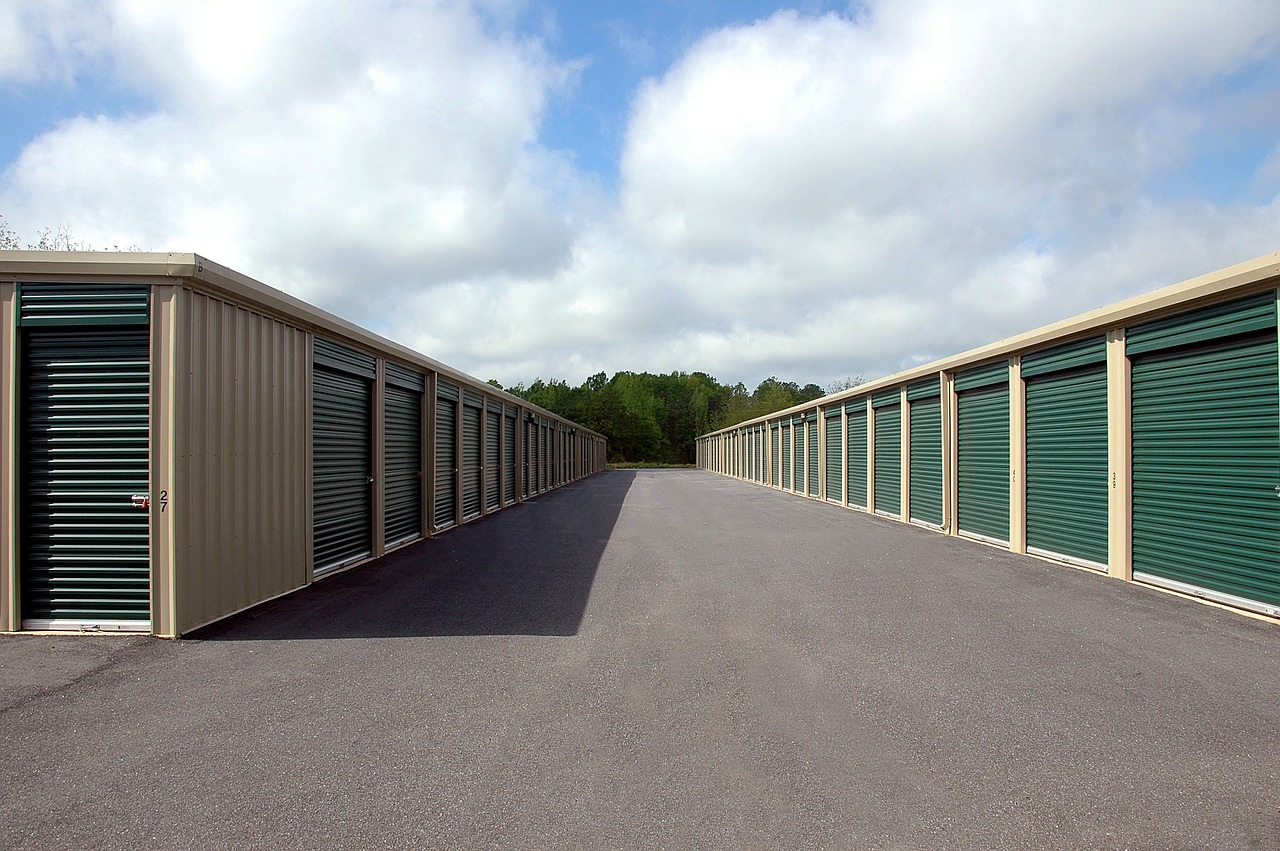
Seasonal inventory and business supplies can significantly impact your enterprise operations, ranging from facility space constraints to delicate cost management. Adopting structured storage practices helps organizations maintain operational efficiency, improve cost-effectiveness, and ensure seamless inventory transitions. Whether your company is managing fluctuating stock levels or organizing off-season supplies, implementing precise strategies makes a profound difference in controlling overhead.
Auditing Historical Sales Cycles and Physical Volume Demands
Understanding true inventory requirements forms the foundation of an effective storage strategy by aligning space allocation directly with historical sales cycles and peak demand periods. Start by evaluating the volume and variety of your merchandise during peak and off-peak seasons, as this involves analyzing historical sales data, forecasting upcoming trends, and identifying key revenue-driving items.
A retail enterprise experiencing a holiday shopping surge, for instance, must allocate additional cubic footage during winter months and scale back footprint requirements come spring. Businesses handling short-term promotional merchandise or event-specific goods face similar challenges and must plan storage footprints accordingly. Furthermore, managers must consider the physical dimensions and specific handling requirements of their stock, keeping in mind that bulky items like commercial fixtures require expansive staging areas while smaller goods demand compact, modular layouts. Conducting this thorough initial audit prevents costly overstocking, minimizes wasted square footage, and reduces logistical errors.
Balancing Carrying Costs Through Modular and Scalable Warehousing
Rigid storage systems frequently fail to accommodate dynamic business fluctuations unless supplemented by flexible external warehousing solutions. Temporary or adjustable storage options empower enterprises to expand or contract their physical footprint as market conditions dictate, eliminating unnecessary leasing expenses during slow off-seasons. Companies handling large seasonal shipments or variable event inventory regularly utilize short-term rentals and customizable units to preserve operational agility without committing to long-term commercial leases.
This operational flexibility also accommodates sudden shifts in market demand or unexpected bulk orders without straining internal resources. Maintaining this agile approach protects vital working capital from being locked up in excessive, underutilized square footage throughout the entire year.
Maximizing Workflow Efficiency Through Vertical Layouts
Efficient storage organization is key to optimizing facility space and improving daily workflow through structured categorization and vertical expansion. Facility managers should begin by categorizing inventory into distinct groups based on turnover frequency, demand velocity, and product classification, placing seasonal items together for straightforward retrieval while positioning high-velocity supplies near active workstations.
Implementing a clear labeling architecture is another essential step to cut down the time staff spend searching for specific items. Advanced tagging frameworks, including QR codes and barcodes, integrate seamlessly with modern inventory software to ensure real-time tracking. Facilities should also exploit vertical cubic space by installing heavy-duty adjustable shelving units and pallet racks, which prevents floor clutter and maximizes storage density.
Safeguarding Vulnerable Assets with Climate and Humidity Control
Seasonal weather shifts can severely damage sensitive inventory unless organizations utilize environmentally regulated storage facilities. Items such as sensitive electronics, delicate textiles, and paper goods are highly vulnerable to extreme temperature swings and excessive humidity levels. Climate-controlled storage units maintain stable atmospheric conditions, ensuring that stored merchandise remains pristine regardless of external weather extremes.
For example, enterprises storing holiday decorations rely heavily on temperature-regulated units to prevent delicate ornaments and electrical components from warping or malfunctioning. Investing in specialized climate control is particularly vital for businesses operating in regions prone to severe weather variations, ultimately eliminating the financial losses associated with damaged merchandise.
Minimizing Obsolescence with Disciplined First-In, First-Out (FIFO) Workflows
Managing inventory efficiently requires ensuring older stock is dispatched or utilized first through a disciplined First-In, First-Out operational workflow. The First-In, First-Out method achieves this by organizing products so that older inventory sits directly at the front of shelving units, which drastically reduces the risk of deadstock accumulation and spoilage.
For businesses dealing with perishable or time-sensitive goods, FIFO is mandatory to avoid waste and maintain quality standards. Even non-perishable goods, such as electronics, benefit immensely from this practice, as older models are cleared out before newer versions arrive. Periodically auditing stock levels to catch items nearing obsolescence ensures smoother inventory turnover and tighter financial control.
Integrating IoT Sensors and Cloud-Based Tracking Systems
Modern technology has revolutionized warehouse management by introducing automated tools that streamline complex stock tracking and predictive forecasting. Barcode scanners, RFID tags, and cloud platforms enable precise monitoring of inventory from the moment it arrives until final dispatch.
Cloud-based software solutions can trigger automated alerts when stock drops below safety thresholds, preventing unexpected shortages during peak sales windows. Advanced warehouse setups also utilize IoT-enabled environmental sensors to monitor humidity and temperature automatically without manual intervention. For business leaders seeking to align their capital allocation and technology spending with long-term enterprise growth, reviewing how choosing the right investment strategy for a business impacts overall financial stability provides valuable perspective.
Protecting Profit Margins During Off-Season Storage Cycles
Off-season inventory can quickly turn into a financial liability if holding costs and carrying expenses are left unmonitored. Proper preservation techniques help maintain asset quality until those items return to active rotation. Operations teams should segregate seasonal goods, clean them thoroughly, and pack them securely inside labeled, durable containers.
Fragile items require protective layers such as custom padding or bubble wrap, while heavy machinery and electronic components may need specialized anti-corrosion packaging. Effective off-season management preserves product integrity while clearing prime operational space for current business activities, setting the stage for a seamless transition into the next commercial cycle.
Optimizing seasonal inventory and business supplies requires a careful balance of data-driven planning, physical organization, and modern tracking tools. By evaluating exact space requirements, embracing flexible warehousing, and utilizing smart digital systems, organizations can streamline logistics and protect their profit margins year-round.
How do businesses calculate the true cost of holding seasonal inventory?
Holding costs include facility rent, utility expenses for climate control, insurance, depreciation, and the opportunity cost of tied-up capital, all of which must be factored into storage budgeting.
What types of business supplies require climate-controlled storage?
Items sensitive to temperature and moisture fluctuations, such as electronics, leather goods, fine textiles, paper records, and specialty chemicals, require climate-controlled environments to prevent degradation.
How does the First-In, First-Out method prevent deadstock accumulation?
FIFO ensures older stock is sold or used before newer shipments enter circulation, reducing the likelihood that older inventory will become obsolete, expired, or unsellable.
Are short-term commercial warehouse leases cost-effective for seasonal businesses?
Short-term leases provide vital flexibility by allowing companies to scale their physical footprint up or down based on seasonal demand without paying for idle space during slow months.
What role do IoT sensors play in modern warehouse inventory management?
IoT environmental sensors monitor temperature and humidity levels in real time, alerting staff instantly if conditions deviate from safe thresholds for delicate inventory.
How can vertical space utilization improve overall warehouse workflow?
Installing high-rack shelving and mezzanine systems expands storage capacity upward, keeping floor pathways clear and accelerating order picking and restocking times.
Disclaimer: The inventory management and storage strategies discussed in this article are intended for general informational purposes. Because operational needs, facility constraints, and supply chain requirements vary widely, organizations should consult qualified logistics professionals before making major warehousing decisions.

Daniel J. Morgan is the founder of Invidiata Magazine, a premier publication showcasing luxury living, arts, and culture. With a passion for excellence, Daniel has established the magazine as a beacon of sophistication and refinement, captivating discerning audiences worldwide.


[…] commercial goods alongside personal gear by organizing them into distinct zones, much like managing smart storage tips for seasonal inventory and business supplies to maintain peak operational […]