
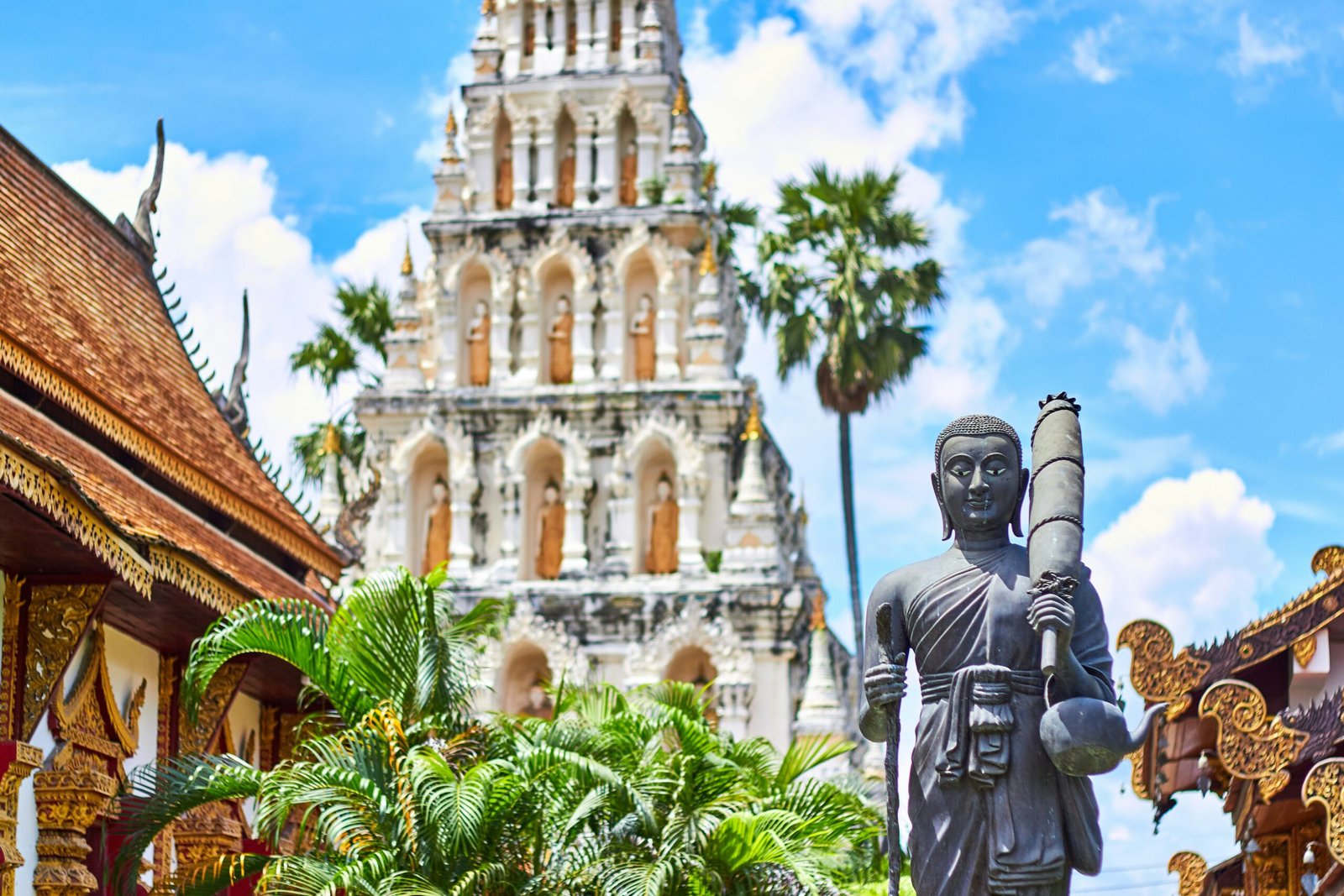
Thailand continues to attract travelers looking for long-term escapes, remote work setups, or deep cultural immersion. Spending a few weeks in the Land of Smiles offers a wonderful holiday, but settling in for several months requires a completely different approach to logistics. Moving past the standard tourist routine means preparing for administrative details, seasonal shifts, and daily lifestyle adjustments long before departure.
Thoughtful preparation helps foreign visitors navigate unexpected hurdles without losing momentum. From timing regional weather patterns to securing stable apartment leases and managing local currency transactions, a structured plan ensures that an extended stay runs smoothly from start to finish.
Timing Your Regional Route Around Thailand Monsoons
Structuring an itinerary around local weather patterns prevents long-term visitors from getting rained out during peak regional monsoons. Thailand features distinct wet and dry seasons that vary dramatically between the Andaman coast, the Gulf islands, and the northern mountain provinces. Travelers often succeed by mapping out their destination timeline to catch the best beach weather in the south during early months, then shifting northward to Chiang Mai before seasonal burning or heavy rains arrive.
Breaking a multi-month journey into distinct regional blocks reduces travel fatigue and prevents the common mistake of trying to see every province at once. Spending a full month or more in a single city or island allows residents to establish a comfortable daily rhythm, discover neighborhood food spots, and build genuine local connections. Keeping an open schedule within those regional stays also leaves plenty of room for spontaneous weekend explorations.
Navigating Current Thai Immigration Categories and Visa Rules
Securing the correct visa category ahead of time prevents legal complications and costly overstay penalties during a multi-month stay. Thailand offers diverse entry paths, including standard tourist exemptions, special tourist visas, and modern long-term resident categories tailored specifically for remote workers, digital entrepreneurs, and retirees. Foreign nationals must verify current immigration requirements directly through official government portals, as policies regarding length of stay and financial proofs update frequently.
Working locally without proper legal authorization remains strictly prohibited under Thai law, and digital nomads must ensure their income sources comply with local regulations. Maintaining full compliance with immigration policies protects visitors from fines, detention, or future entry bans. Respecting local legal frameworks ensures peace of mind throughout the entire duration of the trip.
Securing Monthly Condominium Leases Beyond Short-Term Hotels
Transitioning from short-term hotel bookings to monthly apartment or condominium rentals drastically lowers living expenses during an extended stay. Many travelers book a hotel for their first few days in Bangkok, Phuket, or Chiang Mai, using that initial window to tour residential buildings and inspect neighborhoods in person. Lease agreements for monthly rentals typically require a security deposit and separate utility payments calculated against monthly meter readings.
Popular urban and coastal hubs feature numerous residential towers equipped with swimming pools, fitness rooms, and security guards. Renters should always review contract terms carefully, paying close attention to internet speed provisions, exit clauses, and electricity rate caps before signing any paperwork. Negotiating directly with property management offices can occasionally unlock flexible lease durations suited for mid-term stays.
Handling Everyday Expenses With Local Digital Payments
Establishing a reliable financial strategy ensures smooth day-to-day spending without unexpected international transaction fees or frozen accounts. While major shopping malls and upscale restaurants readily accept international credit cards, cash remains essential for traditional street food stalls, neighborhood markets, and certain public transport lines. Many long-term visitors also utilize local digital wallets and QR code payment systems to handle everyday purchases efficiently.
Creating a realistic monthly budget helps expats track rent, food, healthcare, and leisure activities without running short before the next deposit clears. Keeping an emergency fund separate from daily spending accounts provides an essential financial safety cushion. Notifying home banks of international travel prevents automated fraud blocks and keeps debit access active.
Choosing Between Domestic Flights and Long-Distance Rail
Selecting the best mode of transport depends on available time, budget, and the desire for scenic exploration across the country. Domestic low-cost airlines connect major hubs like Bangkok, Chiang Mai, and Hat Yai quickly, making them ideal for skipping long overland journeys. For travelers who prefer a slower, more immersive pace, Thailand’s state railway network offers remarkably affordable ways to observe rural landscapes.
Regional transport methods vary significantly in travel time and comfort level, as outlined below:
| Transport Type | Typical Cost Range | Average Duration | Best Suited For |
|---|---|---|---|
| Domestic Flight | Moderate to High | 1 to 2 Hours | Fast hops between distant regions and island hubs |
| Express Train | Low to Moderate | Varies by Route | Scenic countryside views and overnight sleeper journeys |
| Long-Distance Bus | Very Low | Slow (Traffic Dependent) | Budget-conscious trips between neighboring provinces |
For navigating congested city streets, mobile ride-hailing apps, metered taxis, and motorcycle taxis provide flexible local transit options. Understanding standard transit pricing helps visitors avoid inflated tourist fares during daily commutes.
Frequently Asked Questions About Extended Stays in Thailand
What is the best visa for spending several months in Thailand?
The ideal visa depends on your nationality, age, and professional status, ranging from tourist exemptions and special tourist visas to long-term resident programs for remote workers.
Do I need comprehensive health insurance for an extended stay?
Comprehensive international health insurance is strongly recommended for all foreign visitors, and certain visa categories explicitly mandate proof of medical coverage before approval.
Can I open a local Thai bank account as a tourist?
Opening a local bank account typically requires a long-term visa, a valid residential lease agreement, and specific immigration paperwork, though exact requirements vary by bank branch.
How much money do I need per month to live comfortably?
Monthly living costs vary widely based on personal lifestyle and location, but a comfortable budget generally covers rent, dining out, and utilities depending on the city.
Is it easy to get around without speaking Thai?
English is spoken fluently in major tourist areas, hotels, and hospitals, though learning basic Thai phrases greatly assists with daily interactions in local markets.
Can foreigners buy residential property in Thailand?
Foreign nationals can purchase condominium units under specific foreign ownership quotas, but owning land directly is subject to strict legal restrictions.
Preparing for an extended stay in Thailand takes careful organization, but the rewards of a well-planned journey far outweigh the administrative effort. For travelers seeking broader travel planning inspiration beyond Southeast Asia, reviewing resources like our guide on exploring Croatia for first-time visitors can provide additional cross-cultural travel insights.
Disclaimer: Immigration policies, visa regulations, and financial requirements change periodically. Readers should always verify final details and official guidelines through authorized government embassies or immigration portals before making travel arrangements.

Daniel J. Morgan is the founder of Invidiata Magazine, a premier publication showcasing luxury living, arts, and culture. With a passion for excellence, Daniel has established the magazine as a beacon of sophistication and refinement, captivating discerning audiences worldwide.


