
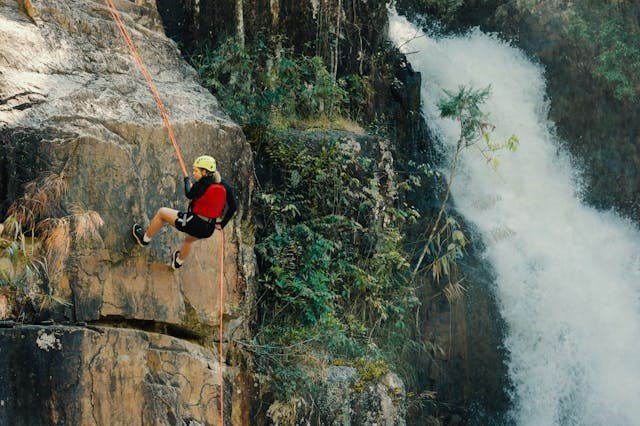
Stepping away from fluorescent indoor climbing gym lighting to tackle real rock walls changes how the body and mind respond to physical exertion. When outdoor enthusiasts plan rock climbing trips, they engage in a uniquely demanding form of movement that requires adapting to unpredictable stone textures, changing angles, and vast exposure. This immersive style of exercise conditions the human frame in ways traditional gym workouts cannot match, offering both intense physical conditioning and a profound mental reset.
Leaving behind everyday schedules forces the nervous system to shift gears immediately. Understanding the precise physiological and psychological advantages of these vertical expeditions explains why so many practitioners view outdoor climbing as an essential component of overall well-being.
Why Natural Crags Demand More From Your Muscles
Outdoor rock climbing trips require continuous neuromuscular adaptation because natural rock formations present irregular holds, sloping foot placements, and variable friction compared to predictable indoor panels.
While indoor artificial walls rely on molded plastic holds and uniform bolt patterns, real stone demands creative body positioning. Climbers must utilize precise friction footwork, high-step mantling, and lateral stemming across complex three-dimensional surfaces. This constant physical problem-solving recruits deep stabilizing muscles in the shoulders, core, and hips that often remain dormant during linear movements like running or cycling.
Develops Specialized Grip Endurance and Forearm Strength
Rock climbing trips systematically build exceptional grip strength and forearm endurance through sustained contact with abrasive rock surfaces.
Hanging body weight from tiny edges, pockets, and seams forces the flexor tendons and intrinsic hand muscles to work under continuous isometric tension. As outdoor climbing routes lengthen, forearms adapt to handle prolonged occlusion and localized lactic acid accumulation. This specialized upper-body conditioning not only improves climbing performance but also translates into remarkable grip capacity for daily lifting tasks.
Challenges the Cardiovascular System Through Intermittent Pacing
Rock climbing trips elevate cardiovascular conditioning through a unique blend of sustained aerobic output and explosive anaerobic bursts.
Ascending a multi-pitch route or working through an intricate bouldering sequence acts much like high-intensity interval training. Climbers experience spikes in heart rate during difficult movement sequences, followed by brief periods of active recovery while standing at secure stances or clipping protection. This intermittent cardiovascular stress strengthens heart efficiency over hours of outdoor exertion.
Sharpening Spatial Awareness and Dynamic Problem-Solving
Rock climbing trips demand intense cognitive focus and real-time tactical adjustments to successfully navigate vertical terrain.
Every route acts as a physical puzzle requiring climbers to read micro-features on the stone, evaluate body momentum, and plan movement sequences in advance. Managing exposure and maintaining composure high off the deck builds emotional resilience. This concentrated mental discipline trains the brain to stay calm and focused under intense pressure.
Induces Deep Mental Decompression Through Total Absorption
Rock climbing trips provide a powerful psychological escape by demanding complete sensory immersion that crowds out everyday anxieties.
When a climber must focus entirely on body balance, rope management, and the next physical hold, workspace deadlines and digital notifications vanish entirely. This state of active mindfulness silences mental fatigue. Combined with fresh mountain air and natural vistas, outdoor climbing fosters deep psychological recovery.
Fosters Deep Human Camaraderie Through Shared Risk and Trust
Rock climbing trips forge exceptionally strong social connections by pairing physical challenge with absolute mutual reliance.
Because managing ropes and catching falls requires absolute trust between climbing partners, outdoor weekends naturally break down social barriers. Sharing camp chores, reviewing route beta around a campfire, and encouraging each other through difficult cruxes creates lasting bonds. For individuals interested in broader emotional wellness and interpersonal support, exploring adult counseling and mental wellness strategies can further enrich these communal experiences.
Practical Essentials for Executing a Healthy Outdoor Climbing Trip
Rock climbing trips require meticulous gear preparation, conservative route selection, and strict adherence to outdoor conservation ethics.
Transitioning from a climate-controlled gym to an exposed cliff face means factoring in changing weather, proper hydration, and rock-specific safety gear like certified helmets. Packing appropriate layers, double-checking knot configurations, and respecting Leave No Trace principles ensure that natural climbing areas remain pristine and safe for every visitor.
Frequently Asked Questions
How do outdoor climbing trips differ physically from indoor gym sessions?
Outdoor climbing involves variable rock textures, complex weather conditions, and non-standard holds that engage stabilizing muscles much more intensely than indoor walls.
What specific muscle groups benefit most from rock climbing trips?
Forearms, hands, upper back, core muscles, and lower body stabilizers receive the most significant conditioning from the unique angles of real rock.
Can complete beginners safely participate in rock climbing trips?
Beginners can safely join trips by hiring certified guides, sticking to top-rope routes, and learning fundamental safety protocols before attempting lead climbing.
How does outdoor climbing help reduce daily stress?
The intense concentration required to maintain balance and manage ropes creates a state of active mindfulness that completely blocks out everyday worries.
What essential gear should not be forgotten on a climbing trip?
Essential equipment includes properly fitted harnesses, sticky rubber climbing shoes, certified helmets, locking carabiners, and reliable belay devices.
How do multi-pitch climbing trips impact cardiovascular fitness?
Extended routes keep the heart rate elevated over several hours through a combination of steady pacing and intermittent high-intensity movement sequences.
Disclaimer: Rock climbing is an inherently hazardous activity involving risks of severe injury or falls. The content provided here is strictly for educational purposes and should not replace professional instruction. Always seek qualified mountain guides, verify local route conditions, and check all safety gear before embarking on any outdoor climbing trip.

Daniel J. Morgan is the founder of Invidiata Magazine, a premier publication showcasing luxury living, arts, and culture. With a passion for excellence, Daniel has established the magazine as a beacon of sophistication and refinement, captivating discerning audiences worldwide.


