

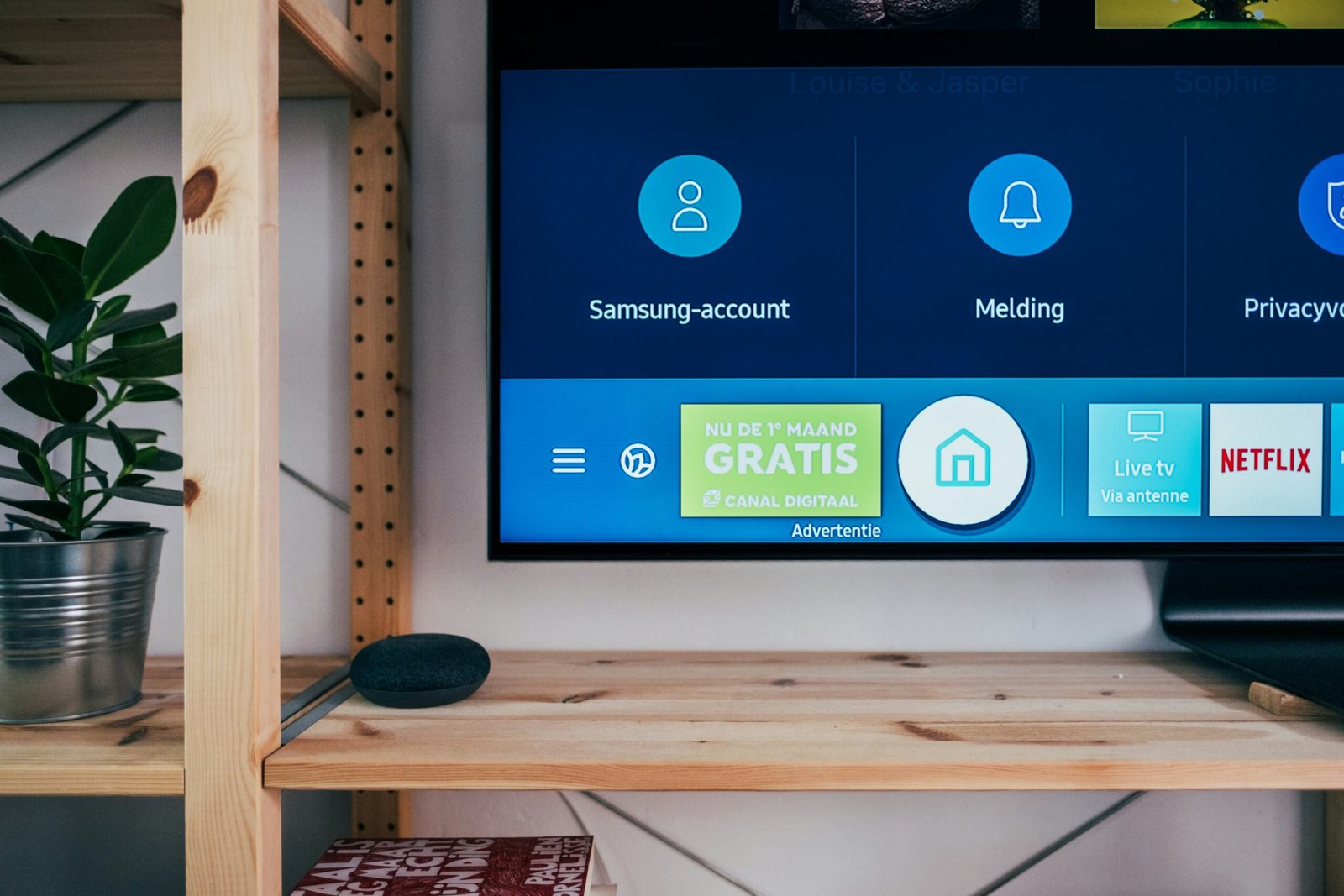
Photo by Jonas Leupe on Unsplash
Browsing digital store shelves for a high-definition home theater upgrade offers immense convenience and competitive pricing compared to traditional retail outlets. However, completing a high-value electronics purchase across the internet requires a careful evaluation of specific hardware metrics that you cannot physically test beforehand.
To prevent buyer’s remorse and secure a seamless delivery experience, shoppers must look beyond glossy marketing descriptions. Examining technical specifications, panel behavior under distinct lighting conditions, and courier liability policies safeguards your investment from the moment of purchase.
Calculating Seating Geometry and Optimal Screen Scale
Determining the correct screen dimensions for your living space depends entirely on the physical distance between your primary seating position and the mounting wall.
Ultra-high-definition resolution packs millions of pixels tightly together, meaning you need to sit close enough to actually perceive those fine details. If your couch rests too far away from the display, your eyes will miss the crisp resolution improvements that justify upgrading in the first place.
Conversely, placing an oversized panel in a cramped den creates uncomfortable neck strain and overwhelming brightness during night viewing. Using standard viewing distance formulas helps balance visual immersion against long-term comfort before you finalize your web order.
Comparing Backlight Lighting and Emissive Panel Types
Modern ultra-high-definition displays utilize distinct panel lighting architectures, including standard LED, quantum-dot enhanced QLED, organic OLED, and high-intensity Mini-LED designs.
Standard LED panels remain budget-friendly and provide dependable brightness for brightly lit rooms, while QLED models introduce quantum dot layers for richer color saturation. Organic light-emitting diode displays operate without a backlight, allowing individual pixels to shut off completely for absolute blacks and infinite contrast in dark rooms.
Mini-LED technology bridges the gap by shrinking diode sizes and increasing local dimming zones, delivering strong brightness control that rivals organic panels. Selecting the right panel technology requires balancing your typical room lighting against your preference for cinematic contrast.
Analyzing Refresh Rates, Motion Handling, and Console Ports
Next-generation video game consoles and high-frame-rate cinematic broadcasts demand advanced hardware connections that transcend traditional 60Hz displays.
The panel refresh rate and pixel response time directly dictate motion clarity during fast-paced sports broadcasts and action movies. Upgrading to a 120Hz display ensures smooth motion handling and eliminates judder in high-speed sequences.
Furthermore, Variable Refresh Rate technologies like AMD FreeSync and NVIDIA G-Sync synchronize display frames with gaming hardware to prevent screen tearing. Ensuring your chosen model includes fully featured HDMI 2.1 ports guarantees uncompressed 4K video transfer at maximum frame rates.
When reviewing intricate electronics specifications on merchant websites, maintaining rigorous technical scrutiny mirrors the analytical discipline required when evaluating corporate performance metrics prior to committing investment funds.
Navigating Smart Software Processing and Ecosystem Speed
The internal operating system and embedded processor chip determine how fluidly you can navigate streaming menus and launch applications.
Integrated smart platforms eliminate the need for external streaming sticks by providing native access to popular subscription services and web browsers. However, an underpowered internal processor can introduce frustrating menu lag and slow down application loading times.
Checking Wi-Fi connectivity standards, app ecosystem compatibility, and processing hardware specifications ensures long-term usability. A responsive interface allows you to switch between streaming applications and external inputs without unnecessary delays.
Matching Internal Speaker Limits with External Soundbars
Slim television chassis designs leave very little physical room for robust internal speakers, making external audio planning essential for a complete home theater.
While built-in speakers handle casual daily viewing adequately, cinematic sound effects and clear dialogue benefit greatly from dedicated soundbars or multi-channel audio receivers. Advanced audio codecs like Dolby Atmos provide spatial height cues that expand the soundstage.
To transmit lossless audio formats from smart apps back to an external sound system, verify that the display features an Enhanced Audio Return Channel connection. Proper audio integration transforms standard television viewing into an immersive acoustic experience.
Inspecting Courier Freight Insurance and Return Logistics
Ordering fragile large-format displays through courier services introduces distinct shipping risks that require careful policy inspection before checkout.
Reviewing freight damage liability clauses and retailer return windows protects your investment against delivery mishandling or cracked internal glass. Comprehensive manufacturer warranties safeguard against unforeseen hardware malfunctions and power supply failures after delivery.
Additionally, checking whether the online merchant imposes restocking fees for opened electronics helps prevent unexpected expenses. Clear delivery insurance guidelines and generous return policies provide essential peace of mind when acquiring heavy home theater gear online.
Frequently Asked Questions
What viewing distance is ideal for a 65-inch 4K television?
Sitting approximately 7.5 to 9 feet away from a 65-inch 4K display allows viewers to appreciate fine pixel details without experiencing eye strain.
Do I need an HDMI 2.1 cable for standard video streaming?
Standard streaming applications operating at 4K resolution function reliably on older HDMI versions, whereas HDMI 2.1 is mandatory for gaming consoles operating at 120Hz.
What distinguishes OLED panels from QLED models?
Organic light-emitting diode panels utilize self-illuminating pixels for absolute contrast, while quantum dot displays rely on an enhanced LED backlight to achieve higher peak luminosity.
Are online electronics prices consistently lower than local brick-and-mortar stores?
Internet retailers frequently provide competitive pricing and promotional bundles, though buyers must account for potential freight surcharges or shipping fees.
What should I examine immediately upon delivery of an online television order?
Inspecting the exterior cardboard packaging for tears or punctures before the freight driver departs is vital, followed by testing the display promptly for dead pixels.
Can a large 4K display be mounted securely on standard drywall?
Mounting on drywall remains completely safe as long as the structural wall bracket anchors directly into wooden framing studs or metal reinforcement bars.
Disclaimer: Technical specifications, pricing structures, and retail return policies change over time. Shoppers should verify final warranty terms and hardware details directly from official manufacturer sources prior to completing any online transaction.

Daniel J. Morgan is the founder of Invidiata Magazine, a premier publication showcasing luxury living, arts, and culture. With a passion for excellence, Daniel has established the magazine as a beacon of sophistication and refinement, captivating discerning audiences worldwide.


