

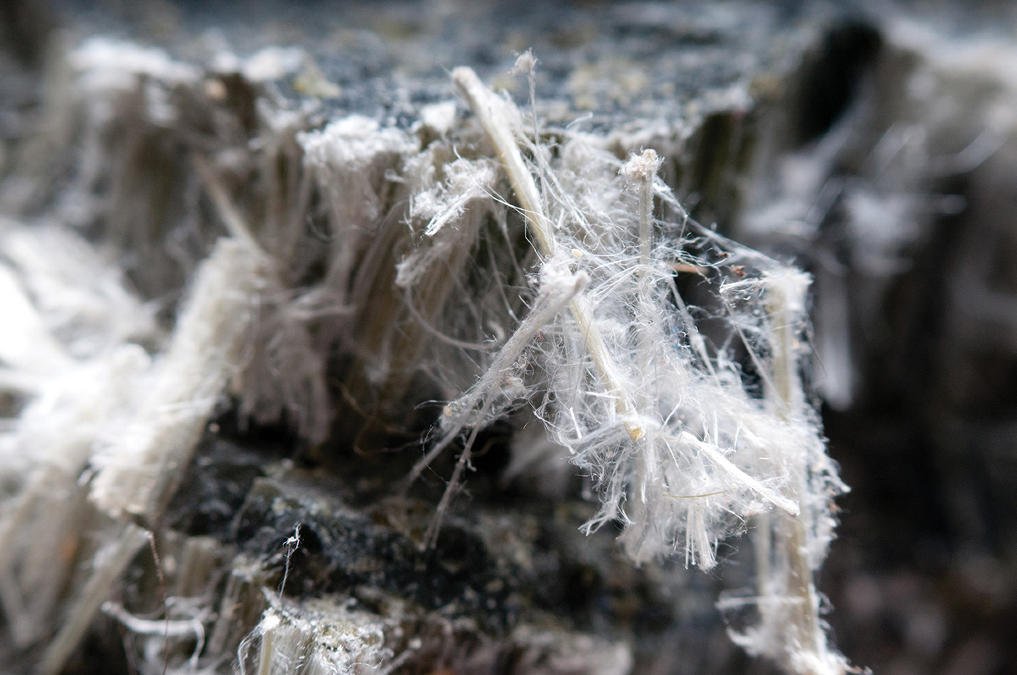
Once hailed for its durability and fire-resistant properties, asbestos has since been identified as a significant health hazard in residential and commercial buildings. Despite national bans enacted in the mid-1980s, numerous properties across the region still contain asbestos-containing materials. Understanding the true scope of this hidden danger is essential for anyone living in or renovating an older local property.
By recognizing the vital importance of asbestos removal, Auckland property owners can safeguard their households from severe long-term consequences. Ignoring aging building materials can lead to dangerous fiber releases during everyday wear and tear or unexpected maintenance projects. Here is a closer look at why addressing asbestos safely should remain a top priority for local residents.
Spotting Asbestos in Older Auckland Villas and 1970s Builds
Auckland properties constructed prior to the mid-1980s frequently contain hazardous building products because asbestos was a standard additive in New Zealand construction. Local builders favored these materials for their exceptional tensile strength, insulation capacity, and resistance to heat and moisture. Common areas where these dangerous substances linger include corrugated fibro cement roofs, textured popcorn ceilings, exterior wall cladding, and vinyl floor backing. Because these installations have aged over decades, their structural integrity naturally deteriorates, increasing the likelihood that fibers will detach and drift into living spaces.
The Long-Term Health Toll of Inhaled Asbestos Fibers
The primary reason for urgency in handling hazardous materials is the severe physiological damage caused by microscopic asbestos fibers entering the human body. When disturbed through sawing, drilling, sanding, or natural degradation, these invisible particles become airborne and are inhaled into the respiratory tract. Once lodged deep within lung tissue and surrounding membranes, the sharp fibers cause chronic irritation that culminates in life-threatening medical conditions over time.
Medical professionals categorize the primary threats of exposure into three distinct categories:
- Asbestosis: A progressive, non-cancerous chronic lung disease characterized by extensive scarring of pulmonary tissue, which severely restricts breathing capacity.
- Mesothelioma: An aggressive form of cancer affecting the protective lining of the lungs, abdomen, or heart, which carries a notoriously poor prognosis.
- Lung Cancer: Prolonged inhalation of fibers significantly elevates overall carcinoma risks, particularly for individuals who also use tobacco products.
Because these conditions possess notorious latency periods ranging from ten to fifty years, individuals exposed today may not display symptoms for decades. This invisible danger makes professional identification and prompt containment a life-saving necessity rather than an optional maintenance task.
Complying with WorkSafe New Zealand and Auckland Council Rules
Property owners undertaking maintenance must adhere strictly to the Health and Safety at Work (Asbestos) Regulations enforced by WorkSafe New Zealand. Under these guidelines, homeowners have a legal duty of care to ensure that any hazardous material is properly identified and managed before work begins. Attempting major renovations without a professional pre-renovation survey can lead to severe regulatory penalties, project stop-work orders, and legal liabilities. Auckland Council also maintains strict disposal protocols, meaning that asbestos waste cannot simply be placed into standard domestic refuse bins or general skips; it requires specialized handling and designated disposal facilities.
Testing Your Auckland Home via an Accredited Laboratory
Before launching into property updates, homeowners must determine whether hazardous elements are present through accredited laboratory testing. Visual inspection alone is never sufficient because asbestos fibers are microscopic and blended into cement, vinyl, or insulation matrices. Property owners should hire an independent, certified testing surveyor to collect small, controlled samples from suspicious areas without releasing dust into the indoor environment. Once the accredited laboratory returns an analysis report, residents will have a clear roadmap detailing whether full containment, encapsulation, or complete extraction is required.
Working with Certified Asbestos Removalists in Auckland
Professional asbestos removal requires certified expertise because improper handling creates a far greater hazard than leaving undisturbed materials intact. New Zealand regulations divide removal work into Class A and Class B categories depending on whether the material is friable or non-friable. Certified contractors utilize specialized containment enclosures, negative air pressure units, and specialized HEPA filtration vacuums to capture microscopic particles before they escape the work zone. Homeowners should always verify a contractor’s official licensing credentials and request formal clearance certificates once the project is finished.
For individuals undertaking broader property overhauls, ensuring structural integrity extends beyond hazardous material handling. To keep your entire home in top condition during major updates, reviewing options like 8 Cost-Effective Remodeling Tips for Homeowners can help balance safety compliance with budget management.
Frequently Asked Questions
Can I legally remove asbestos from my own Auckland home myself?
New Zealand law permits homeowners to remove limited amounts of non-friable asbestos themselves under specific conditions, but it is strongly discouraged due to extreme health risks. Any friable asbestos or large commercial quantities must legally be handled by a licensed professional.
How do I know if my house in Auckland contains asbestos?
Houses built or renovated before the mid-1980s have a high probability of containing asbestos in roofing, cladding, textured ceilings, and flooring backing. The only definitive way to confirm its presence is through professional sampling and laboratory testing.
What happens during a professional asbestos assessment?
A certified technician visually inspects the property, maps out suspect materials, and takes small core samples for laboratory analysis. They then provide a comprehensive report detailing the location, condition, and risk level of any detected materials.
Where is asbestos disposed of in Auckland?
Asbestos waste must be double-wrapped in heavy-duty polythene sheeting, clearly labeled, and transported exclusively to licensed waste management facilities approved by Auckland Council.
Does finding asbestos affect my property value?
While undiscovered or poorly managed asbestos can deter prospective buyers and complicate property sales, professionally abated properties eliminate this risk. Buyers appreciate verified clearance certificates and transparent safety records.
How long does the asbestos removal process take?
The duration depends entirely on the scale of the contamination, ranging from a single day for minor cladding removal to multiple weeks for extensive commercial or residential remediation projects.
Disclaimer
The information provided in this article is intended for general educational purposes and should not replace formal legal, medical, or regulatory advice. Asbestos regulations and WorkSafe New Zealand guidelines are subject to change. Homeowners should consult directly with certified environmental specialists and official local authorities to verify current compliance requirements before beginning any remediation work.

Daniel J. Morgan is the founder of Invidiata Magazine, a premier publication showcasing luxury living, arts, and culture. With a passion for excellence, Daniel has established the magazine as a beacon of sophistication and refinement, captivating discerning audiences worldwide.


