

Dealing with persistent jaw locking, clicking sounds, and radiating facial ache can turn basic routines like eating breakfast or talking on the phone into daily endurance tests. When conservative self-care habits and mouthguards fail to provide lasting comfort, patients often search for advanced clinical alternatives that go beyond surface-level relief. TMJ laser treatment uses specific wavelengths of light energy to address the biological root of temporomandibular joint distress without requiring surgery.
Understanding how targeted light wavelengths interact with stressed connective tissues helps clarify why this method is gaining popularity among dental and medical specialists. Alongside modern dental interventions, incorporating comprehensive pain relief strategies can often support broader recovery goals for chronic tension. The following six distinct advantages explain why exploring light therapy might change how you manage your jaw health.
How Photobiomodulation Calms Stressed Jaw Tissues
TMJ laser treatment relies on low-level light therapy to stimulate cellular repair and soothe localized tissue irritation inside the joint capsule.
During a clinical session, a trained provider directs low-intensity photonic energy straight at the affected temporomandibular joints and chewing muscles. This light penetrates beneath the surface skin without generating thermal heat or damaging healthy surrounding cells. Once absorbed by cellular mitochondria, the energy boosts adenosine triphosphate production and accelerates microcirculation. Better blood flow allows the body to clear inflammatory waste products rapidly while delivering fresh oxygen and vital nutrients to fatigued joint structures. Patients typically feel nothing more than a gentle, comforting warmth as the light goes to work.
Avoiding Surgical Scalpels and Incisions
TMJ laser treatment offers a completely non-surgical pathway that completely bypasses painful incisions, sutures, and lengthy wound care.
Traditional surgical procedures for severe jaw disorders, such as open-joint surgery or arthroscopy, demand extended physical downtime and significant risk of post-operative complications. Low-level light therapy interacts with human biology strictly through non-thermal light waves rather than mechanical cutting. This means patients face zero risk of surgical scarring, secondary infections, or prolonged recovery periods. Choosing a non-invasive approach allows individuals to address chronic jaw dysfunction without enduring the physical and emotional stress tied to operating rooms.
Interrupting Chronic Inflammatory Cycles
TMJ laser treatment directly targets localized swelling within the joint space to relieve the intense pressure causing daily stiffness.
Persistent inflammation forces the jaw structure out of alignment, creating friction, locking episodes, and tension headaches that travel up the temples. The specific light wavelengths applied during therapy inhibit inflammatory signaling molecules at a microscopic level while encouraging natural healing responses. This targeted cellular action reduces fluid buildup quickly and stops the repetitive cycle of swelling and pain. By cooling down chronic joint inflammation at its source, light therapy delivers deep and sustainable relief.
Soothing Overactive Masticatory Muscles
TMJ laser treatment eases chronic muscle tightness and spasms by relaxing overworked jaw fibers and sensitive nerve endings.
Many sufferers clench their jaws unconsciously throughout the day or night, locking the masseter and temporalis muscles into a state of constant fatigue. Traditional treatments often rely on heavy systemic muscle relaxants that cause drowsiness or rely entirely on night guards that protect teeth without relaxing the muscle tissue. Laser therapy acts locally on these overactive fibers to interrupt pain signaling and encourage soft tissue relaxation. Many individuals notice a tangible drop in facial tension after just a few targeted appointments.
Restoring Smooth Opening and Chewing Mechanics
TMJ laser treatment helps bring back a normal range of motion by loosening rigid connective tissues around the jaw hinge.
Temporomandibular disorders frequently restrict how widely a person can open their mouth, turning simple acts like biting into an apple into painful hurdles. As the light energy repairs damaged micro-fibers and reduces internal joint friction, the mandible regains its smooth trajectory. Reclaiming fluid jaw movement transforms daily life, letting you eat, laugh, and speak without bracing for sharp discomfort.
Fitting Easily Into Busy Daily Schedules
TMJ laser treatment requires no post-procedure downtime, allowing you to walk right out of the clinic and resume normal activities.
Because the procedure involves no anesthesia, cuts, or recovery restrictions, it fits effortlessly into a standard lunch break or morning errand run. You might experience minor, temporary warmth in the treated muscles, but this sensation fades quickly without lingering side effects. This unmatched convenience makes light therapy an appealing choice for working professionals and busy parents managing chronic pain.
Providing a Gentle Option for Sensitive Health Histories
TMJ laser treatment is exceptionally safe for individuals who cannot tolerate strong pharmaceutical drugs or invasive medical interventions.
Certain patients experience harsh side effects from prescription pain management medications or have underlying health conditions that rule out surgical options entirely. The non-pharmacological, low-risk nature of photonic therapy provides a reliable alternative for these sensitive groups. Because the equipment operates at carefully regulated therapeutic frequencies, it creates zero thermal impact on bone or skin tissue.
What Happens During a Typical Clinic Visit
TMJ laser treatment sessions are designed to be fast, comfortable, and structured clinical appointments.
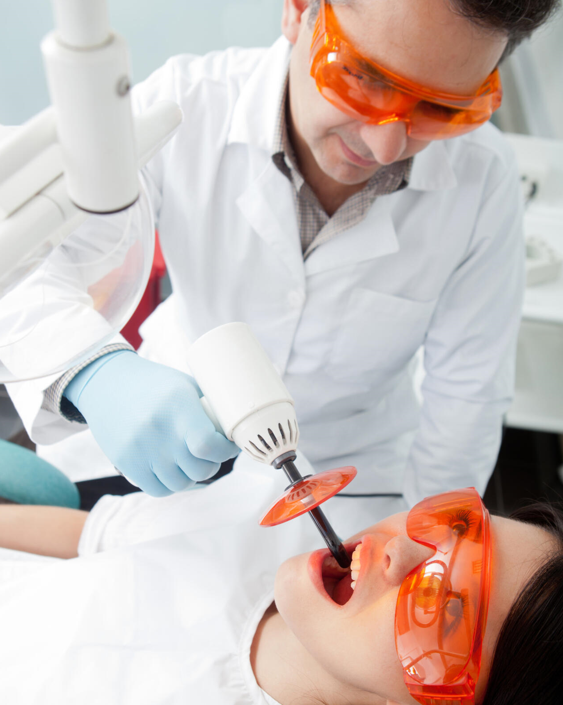
Your care journey starts with a thorough physical evaluation by an experienced dentist, oral surgeon, or TMJ specialist to confirm your diagnosis. During the actual procedure, both you and the practitioner wear specialized protective eyewear to block specific light wavelengths safely. The clinician guides a handheld applicator smoothly across the skin over your jaw joints and chewing muscles for about ten to twenty minutes. Most treatment plans involve a series of these short visits scheduled over several weeks to build cumulative, long-term healing results.
Integrating Light Therapy Into a Broader Recovery Plan
TMJ laser treatment achieves the best outcomes when used alongside a comprehensive care strategy rather than as a standalone fix.
While photonic therapy excels at reducing inflammation and muscle tension, structural joint damage or severe disc displacement often requires a multi-layered approach. Dentists frequently combine laser sessions with custom stabilization splints, targeted physical therapy jaw exercises, and stress management techniques. Consulting with a qualified specialist ensures you understand your unique anatomical triggers and build an effective path toward lasting comfort. For more guidance on managing persistent physical discomfort, readers can explore the ultimate guide to pain treatment for additional helpful insights.
Frequently Asked Questions About TMJ Laser Treatment
Does TMJ laser treatment cause any pain?
No, TMJ laser treatment is completely painless and usually produces only a mild, soothing warmth over the treated jaw muscles.
How many laser appointments will I need to see results?
The exact number of sessions depends on your specific symptoms, but most individuals benefit from a series of short visits spread across several weeks.
Can laser therapy cure my jaw popping permanently?
While light therapy significantly reduces joint inflammation and improves mobility, permanent resolution often relies on managing underlying triggers like teeth grinding.
Are there any side effects from low-level light therapy?
Side effects are exceptionally rare, though some patients report temporary mild muscle soreness as tight facial tissues begin to relax and heal.
Will dental fillings or implants interfere with the laser?
No, the therapeutic laser light safely passes through soft tissue and does not negatively interact with metal fillings, crowns, or dental implants.
Do I need a formal medical referral to schedule laser therapy?
A professional dental or medical examination is always necessary to diagnose temporomandibular joint disorders correctly before starting light therapy.
Disclaimer: The details shared in this article are for informational purposes only and do not constitute formal medical advice. Treatment results for temporomandibular joint conditions vary by individual anatomy and severity. Always consult with a qualified healthcare or dental professional to verify official treatment options.


