

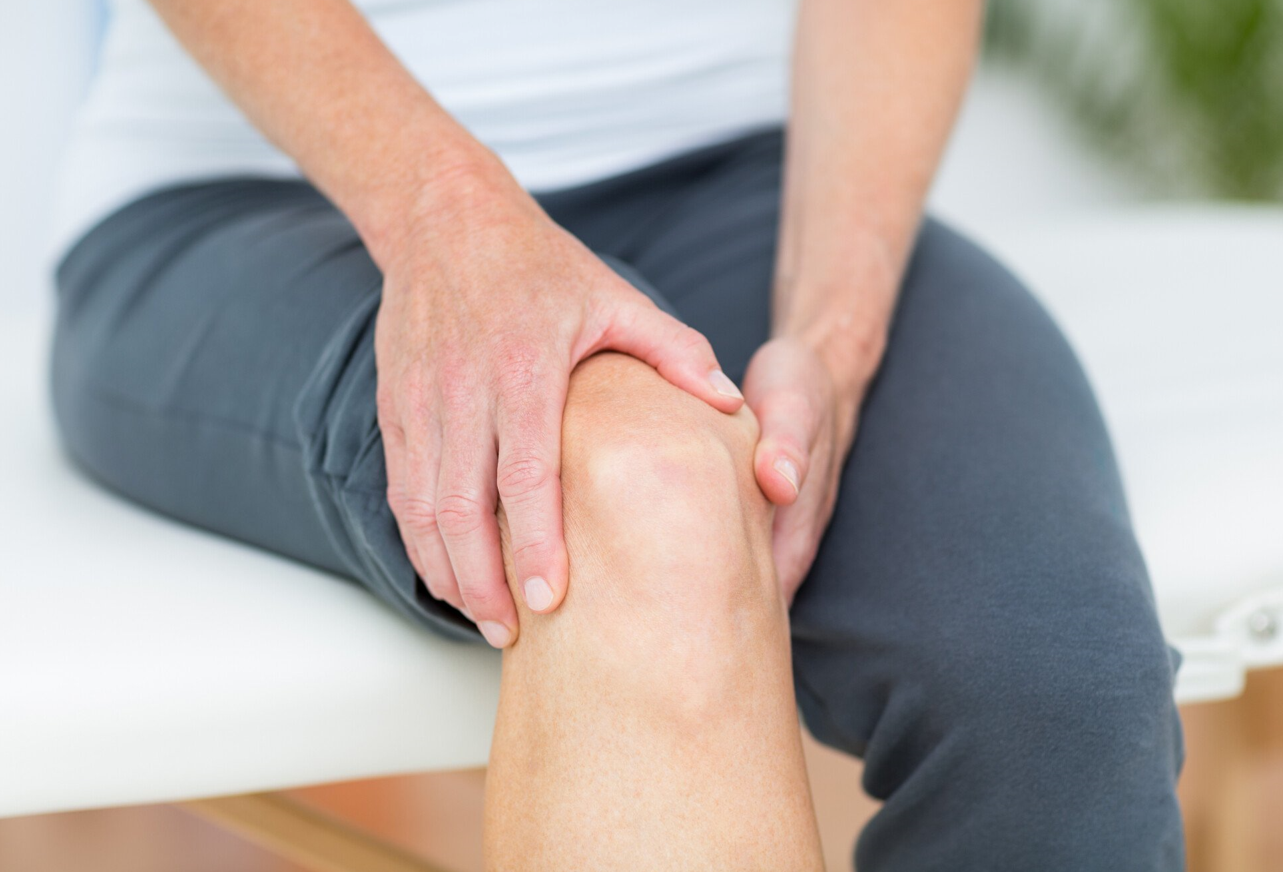
Participating in athletic competition places immense physical stress on the knee joint, which must absorb rapid deceleration forces, high-velocity rotational torque, and direct impact during play. While athletes frequently experience minor muscular fatigue or superficial bruises that resolve on their own, high-impact movements can compromise the internal stability of the knee. Recognizing the subtle and overt indicators of severe structural damage is essential for preventing long-term joint degeneration and ensuring proper healing.
Decoding the Biomechanical Mechanism of Athletic Knee Trauma
Sports knee trauma typically occurs when external forces exceed the tensile strength of the ligaments, meniscus, or surrounding support structures.
Non-contact pivoting incidents during cutting maneuvers or awkward landing sequences frequently subject the anterior cruciate ligament to excessive strain. Conversely, direct lateral collisions on the gridiron or soccer pitch often stress the medial collateral ligament, while repetitive friction during endurance training strains the patellar tendon. Understanding how the injury happened provides valuable context for evaluating which internal structures may require professional medical intervention.
Interpreting Sharp Acute Pain and Audible Joint Disruption
Sharp acute pain accompanied by an audible popping sound is a primary clinical indicator of significant internal joint disruption.
When fibers tear completely under load, the physical snap or pop is often felt by the athlete before the pain response fully registers in the central nervous system. This specific sensory experience differentiates a severe ligament rupture or severe meniscal tear from standard muscular soreness or minor joint stiffness. If the discomfort prevents weight-bearing entirely, the risk of an underlying fracture or complete tissue detachment increases substantially.
Evaluating Rapid Intra-Articular Effusion Versus Gradual Inflammation
Rapid intra-articular effusion occurring within minutes to a few hours of trauma points directly to hemarthrosis or severe capsular damage.
Routine inflammation from minor overexertion accumulates slowly over twenty-four to forty-eight hours as standard bodily fluids respond to mild stress. When the knee swells aggressively into a tight, rigid sphere shortly after impact, it usually indicates active bleeding inside the joint capsule from torn blood vessels or damaged ligament tissue. This acute fluid buildup creates severe internal pressure that severely restricts the natural bending and straightening capabilities of the leg.
Identifying Mechanical Blockage and True Joint Locking
Mechanical blockage and true joint locking happen when torn cartilage fragments physically obstruct the smooth articulation of the tibia and femur.
A classic bucket-handle tear of the meniscus occurs when a loose piece of cartilage flips over itself inside the joint space, creating a physical barrier that prevents the knee from extending completely. Athletes experiencing this symptom often report a sensation of catching or grinding during attempts to move the leg. Forcing a locked joint can worsen the underlying tissue damage and should be avoided entirely while awaiting professional evaluation.
Recognizing Rotational Laxity and the Sensation of Giving Way
Rotational laxity and the terrifying sensation of the knee giving way signify a profound loss of structural stability within the joint.
Healthy ligaments function as biological anchor cables that maintain precise alignment between the upper and lower leg bones during dynamic movement. When these stabilizing bands fail, the femur and tibia slide abnormally against one another during simple walking or turning motions. This subjective instability makes standing unsupported hazardous and requires specialized clinical stability testing by an orthopedic professional.
Implementing Immediate Conservative Management Principles
Implementing immediate conservative management principles during the acute post-injury window helps control initial pain and limits secondary tissue damage.
Cease all athletic activity immediately and refrain from walking on the affected limb if structural instability or intense pain is present. Apply a cold pack wrapped in a protective fabric barrier for brief intervals to reduce local blood flow and minimize swelling around the joint capsule. Keep the leg elevated comfortably above heart level whenever resting to encourage fluid drainage while preparing for a clinical examination.
Navigating the Transition from Urgent Care to Specialized Orthopedic Care
Transitioning from initial first aid to specialized orthopedic care ensures that complex soft tissue injuries receive accurate diagnostic imaging and tailored rehabilitation. While emergency departments handle severe open trauma, vascular compromise, or obvious joint dislocations, orthopedic sports medicine specialists utilize advanced physical exams and MRI scans to map out complex ligamentous tears. For comprehensive insight into managing physical trauma and the broader recovery landscape, reviewing our guide on dealing with serious injury recovery can help frame your long-term rehabilitation expectations.
Frequently Asked Questions About Sports Knee Injuries
Can a serious knee injury heal completely without surgical intervention?
Certain minor collateral ligament sprains and peripheral meniscus tears possess adequate blood supply to heal naturally through structured physical therapy, whereas complete central ligament tears often demand surgical reconstruction.
How soon after a sports trauma should I schedule a medical evaluation?
You should schedule a professional assessment within a few days if you notice persistent pain, rapid intra-articular swelling, mechanical locking, or joint instability.
Is it safe to test my range of motion if the knee feels unstable?
Forcing movement on an unstable joint can cause additional friction and secondary trauma to the articular cartilage, making crutches or supportive bracing necessary until a physician examines the leg.
What does an audible pop signify during a sports movement?
An audible snap or tearing sound felt during a sudden directional cut or direct impact typically indicates a significant ligament rupture or acute cartilage failure.
Will my physician require an MRI to diagnose the injury?
While orthopedic doctors perform specific hands-on physical maneuvers first, they frequently order an MRI to obtain detailed visual confirmation of internal soft tissue damage.
What purpose does the RICE protocol serve immediately after injury?
The RICE protocol, which includes rest, ice, compression, and elevation, acts as a primary first-aid framework designed to minimize acute inflammation and manage pain.
Disclaimer: The information provided in this article is for educational purposes only and should not replace professional medical advice, diagnosis, or treatment. Always consult a qualified healthcare provider regarding any physical injury or health concerns.


