
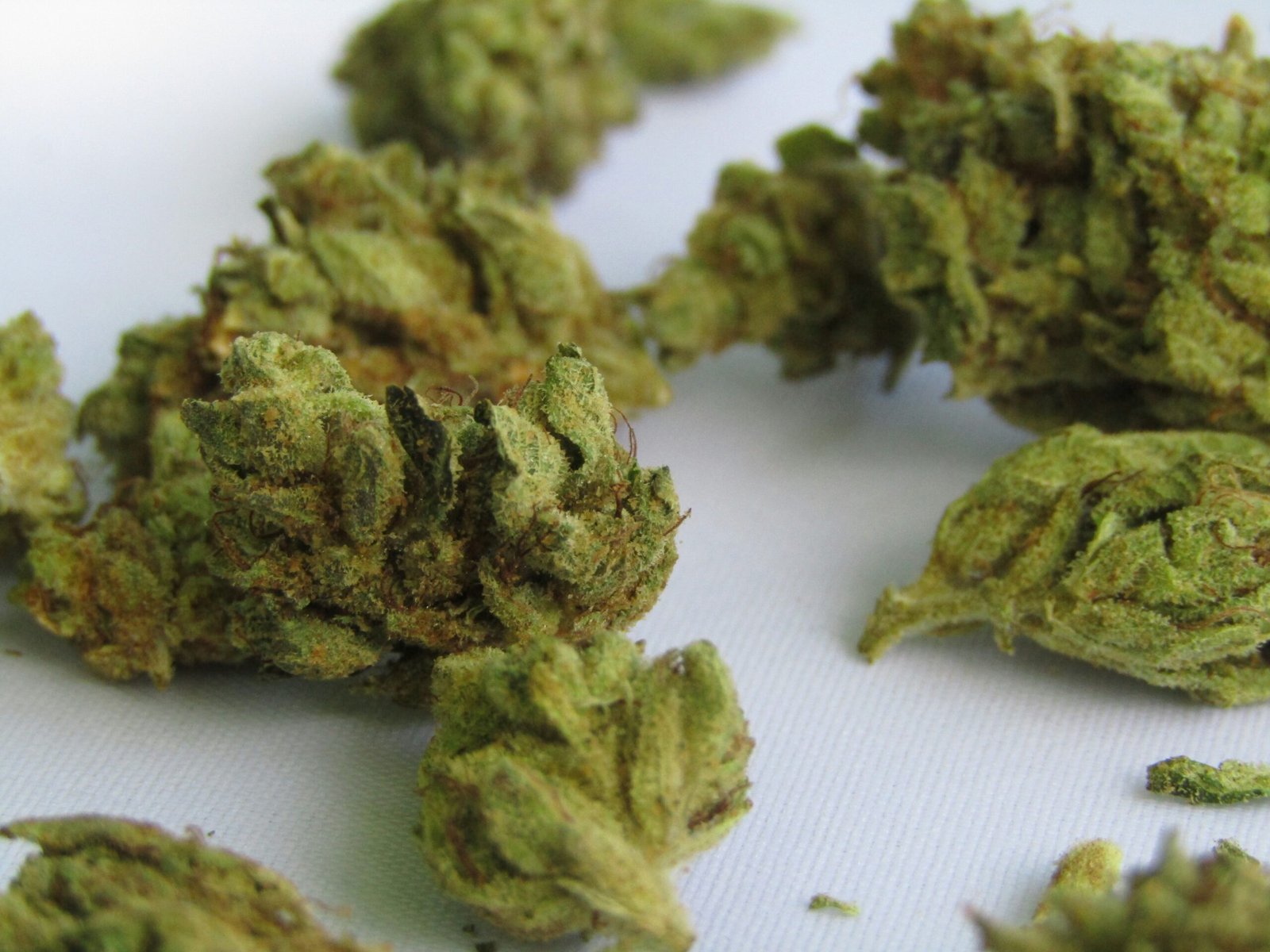
Photo by Ndispensable on Unsplash
Living with inflammatory bowel disease is a challenging and demanding experience that impacts daily routines, energy levels, and overall comfort. Managing chronic conditions like Crohn’s disease and ulcerative colitis typically requires strong collaboration with gastroenterologists and adherence to prescribed pharmaceutical regimens. However, many individuals look toward complementary and alternative therapies to help soothe persistent digestive irritation and improve quality of life. Integrating these supportive options thoughtfully can offer meaningful relief when used alongside standard medical care.
How Complementary Care Fits Into Your Treatment Plan
Complementary care works best as a supportive addition to your main medical treatment rather than a substitute for prescription drugs.
When you deal with chronic digestive inflammation, trying new remedies can feel overwhelming. Alternative methods focus mainly on easing daily symptoms, reducing stress, and supporting your overall physical balance. Because herbs, diets, and supplements can interact with prescription medications, you should always talk openly with your gastroenterologist before starting any new wellness routine.
Working With Dietitians on Anti-Inflammatory Diets
Tailored anti-inflammatory eating patterns help calm irritated bowels by cutting out common food triggers while nourishing the body.
Elimination protocols like the Specific Carbohydrate Diet or structured low FODMAP meal plans are often explored during flare-ups to lower gas, bloating, and abdominal pain. Eating plenty of fresh vegetables, lean proteins, and healthy fats gives your body essential fuel without overwhelming a sensitive digestive tract. Because strict elimination diets can easily lead to nutritional deficiencies, working directly with a registered dietitian is crucial for keeping your body properly nourished over the long term.
Adding Probiotics to Support Gut Bacteria
Probiotic supplements and fermented foods help restore healthy bacterial balance in a gut affected by chronic inflammation.
The microbiome of someone with inflammatory bowel disease often lacks diverse, beneficial bacteria compared to a healthy digestive system. Eating plain yogurt, kefir, or traditional fermented pickles is an easy way to introduce helpful microbes into your daily routine. If you prefer concentrated options, over-the-counter probiotic capsules are widely available, though you should check with your care team about which specific bacterial strains match your symptoms.
Using Stress Relief to Calm the Gut-Brain Connection
Mind-body techniques help reduce digestive reactivity by soothing the complex nervous system network linking your brain to your gut.
Emotional stress and anxiety can trigger visceral hypersensitivity, often making inflammatory bowel disease symptoms noticeably worse. Practices like mindfulness meditation, restorative yoga, and daily breathing exercises help lower stress hormones and give your digestive tract a much-needed physiological break. Incorporating these simple mental wellness habits also helps build emotional resilience when you are dealing with unpredictable flare-ups.
Exploring Herbal Remedies and Natural Anti-Inflammatories
Natural botanical supplements use traditional plant compounds that have centuries of history behind them for easing gut discomfort.
Common kitchen spices and herbal extracts like turmeric, boswellia, and aloe vera are frequently studied for their potential to calm inflammatory pathways in the colon. Turmeric is particularly easy to blend into everyday cooking as a flavorful spice that delivers beneficial curcuminoids. Even though these remedies come from plants, they can still cause side effects or interfere with immunosuppressant drugs, making professional medical oversight essential.
Trying Acupuncture for Pain and Tension Relief
Acupuncture offers a gentle, traditional practice aimed at relieving chronic abdominal pain and releasing physical tension.
This technique involves placing fine, sterile needles at specific points on the body to help modulate pain signals and encourage systemic relaxation. Many patients report feeling more balanced and less physically tense after completing a regular series of sessions. If needles make you uncomfortable, licensed practitioners can often suggest personalized herbal teas or lifestyle adjustments instead.
Understanding Medical Cannabis Laws and Symptom Management
Medical cannabis products are increasingly used by patients looking for help with persistent pain and treatment-resistant bowel symptoms.
Cannabinoids interact directly with specialized receptors found throughout human digestive tissue and immune cells, which can influence pain perception and gut motility. Because legal regulations regarding medical marijuana vary widely by region, patients must check local laws and obtain approval from a certified physician. Cannabis is never a cure for gastrointestinal disease, but it serves as a helpful symptom-management tool for select individuals.
Reviewing Fecal Microbiota Transplants in Modern Research
Fecal microbiota transplants aim to completely reset a damaged gut microbiome by introducing screened microbial matter from a healthy donor.
While this procedure is well-established for treating severe bacterial infections like Clostridioides difficile, its use for inflammatory bowel disease is still largely experimental outside of clinical trials. Researchers continue studying how full microbial restoration might eventually help induce long-term remission in conditions like ulcerative colitis and Crohn’s disease. As clinical studies continue to refine these protocols, the role of AI in early disease detection and diagnostic innovation highlights how modern medical technology continues to reshape patient care pathways.
Frequently Asked Questions
Can alternative approaches cure inflammatory bowel disease entirely?
No, alternative approaches cannot cure inflammatory bowel disease. They are designed to work alongside standard medical therapies to help manage symptoms and improve daily comfort.
Should I stop taking biologics or prescription drugs if I start herbal supplements?
You should never stop or alter prescribed medications without direct guidance from your gastroenterologist. Abruptly halting conventional treatment frequently leads to severe disease flare-ups.
How do I find a registered dietitian who specializes in gastrointestinal health?
You can request a referral from your gastroenterology clinic or search professional dietetic association registries for clinicians with specialized GI credentials.
Are natural botanical remedies completely free from side effects?
Not necessarily. Natural herbs can still cause adverse reactions, digestive upset, or dangerous interactions with prescription immunosuppressants.
Is medical cannabis approved everywhere for managing bowel disease?
No, the legal status of medical cannabis varies widely by jurisdiction and generally requires a formal physician recommendation and medical registration card.
What distinguishes a fecal microbiota transplant from everyday probiotics?
Probiotics introduce specific isolated bacterial strains via supplements or food, whereas a fecal microbiota transplant transfers an entire complex ecosystem of microbes from a screened donor.
Disclaimer: This article is for informational purposes only and does not constitute formal medical advice. Always consult with a qualified gastroenterologist or healthcare provider before making any changes to your treatment plan.

Daniel J. Morgan is the founder of Invidiata Magazine, a premier publication showcasing luxury living, arts, and culture. With a passion for excellence, Daniel has established the magazine as a beacon of sophistication and refinement, captivating discerning audiences worldwide.


