
Stepping away from a chaotic daily environment is often the most critical first step for anyone trying to break free from long-term substance use. When everyday triggers, stressful routines, and negative social circles are temporarily removed, a person finally gains the mental space needed to focus entirely on healing. This physical and emotional separation forms the core foundation of structured inpatient treatment, allowing specialized medical and clinical teams to deliver immersive, undivided attention.
1. Continuous Medical Supervision and Clinical Safety
Continuous clinical oversight ensures that participants navigate the unpredictable early stages of physical stabilization and withdrawal management within a secure environment. Licensed medical personnel monitor vital signs around the clock, administering evidence-based interventions immediately if withdrawal symptoms escalate. This specialized care completely eliminates the physical dangers of unsupervised detox while providing profound peace of mind to families who worry about their loved one’s safety.
2. Predictable Daily Routines That Replace Chaos
A structured daily calendar replaces the chaotic unpredictability of active substance use with steady, health-promoting rhythms. Each day is intentionally organized with scheduled therapy appointments, educational workshops, balanced nutritional meals, and designated periods for rest or personal reflection. This reliable flow helps restore healthy sleep patterns, teaches valuable time management habits, and gently restores personal accountability without overwhelming the participant.
3. One-on-One Counseling Rooted in Evidence
Individualized therapy sessions led by licensed mental health professionals give participants a confidential space to dissect the deep psychological drivers behind their substance use. Through targeted modalities such as cognitive behavioral therapy, individuals learn to spot distorted thought patterns, unpack unresolved emotional trauma, and build constructive responses to daily stressors.
4. Integrated Dual Diagnosis Care for Mental Health
Co-occurring psychological conditions like severe anxiety, clinical depression, or post-traumatic stress frequently intertwine with substance dependence. High-quality inpatient facilities evaluate and treat both conditions simultaneously, ensuring that mental health struggles are never isolated from the overarching addiction recovery plan.
5. Guided Peer Community and Group Processing
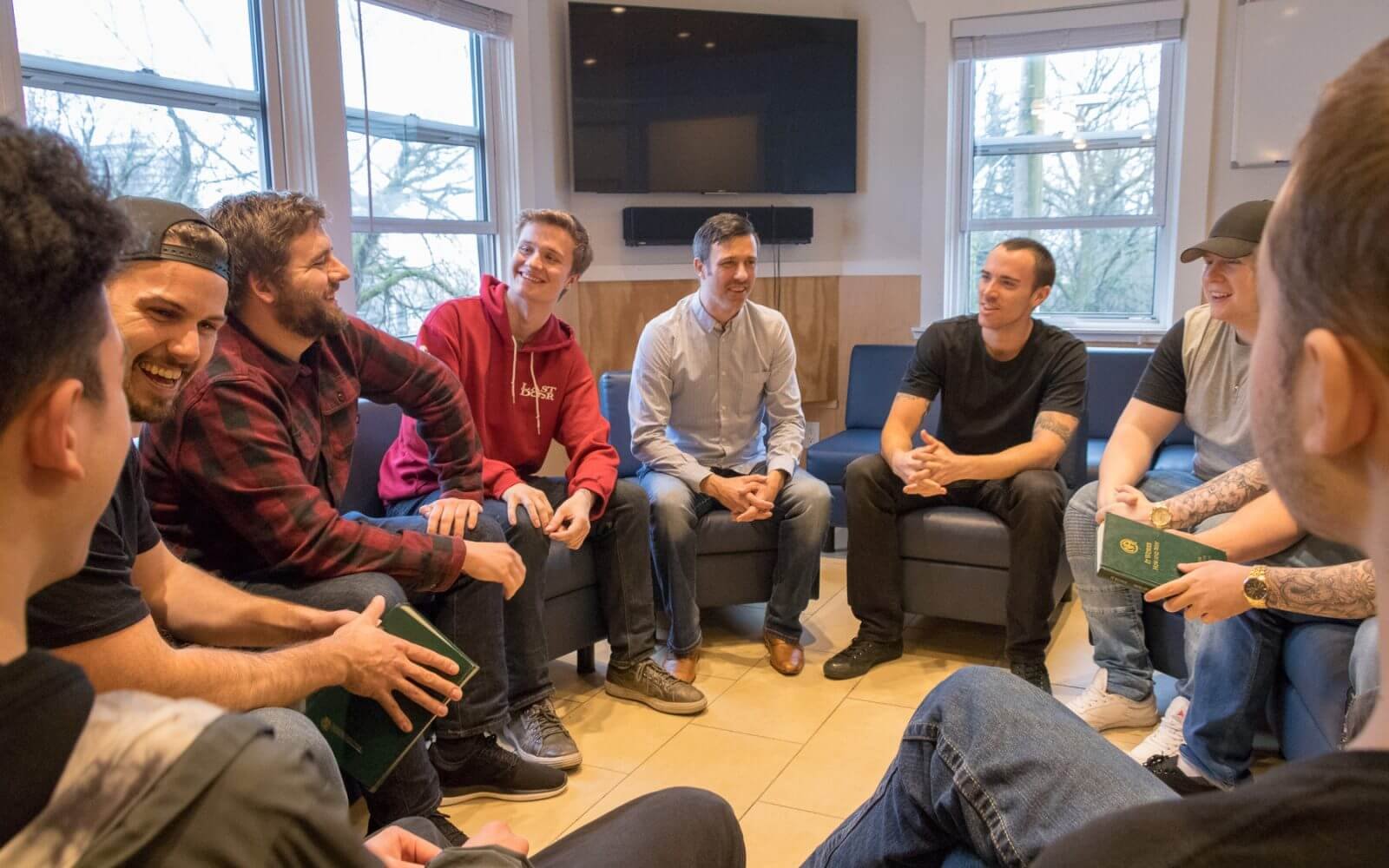
Sharing daily experiences with peers who understand similar hardships dissolves the intense isolation that frequently fuels substance misuse. Guided group sessions provide a secure environment to practice honest vulnerability, offer mutual accountability, and absorb fresh insights under the careful direction of a trained clinical facilitator.
6. Highly Customized Treatment Protocols
Effective therapeutic frameworks refuse to rely on rigid, one-size-fits-all schedules because every participant carries a distinct medical history, substance background, and personal set of goals. Multidisciplinary teams continuously refine personalized treatment plans to align with an individual’s evolving needs, physical health requirements, and cultural context.
7. Practical Life Skills and Relapse Prevention
Sustaining lifelong sobriety requires concrete, actionable tools for handling high-pressure situations when returning to independent living. Inpatient facilities integrate practical training in stress reduction, emotional regulation, healthy interpersonal communication, and basic financial management so participants feel genuinely prepared for everyday life.
8. Holistic Wellness and Mind-Body Integration
Restoring overall well-being extends far beyond traditional talk therapy into practices that re-engage the physical body and quiet the mind. Facilities regularly incorporate mindfulness meditation, structured yoga classes, expressive art therapy, and physical fitness to help participants process stored tension and rediscover healthy physical sensations.
9. Seamless Aftercare and Continuum Planning
Recovery is an ongoing journey that does not conclude the moment a participant walks out of the residential facility gates. Transition planners build comprehensive step-down strategies well before discharge, connecting individuals with appropriate outpatient services; for a broader look at how different levels of care fit together, individuals can read more about navigating various addiction treatment programs to understand post-residential options.
10. Lifelong Alumni Networks and Ongoing Support
Maintaining long-term sobriety is significantly easier when graduates stay anchored to a reliable community of peers and mentors. Structured alumni associations, local support group connections, and periodic check-ins ensure that individuals always have a trusted circle to lean on during major life transitions or difficult emotional moments.
Frequently Asked Questions
How long do most residential addiction programs last?
Standard inpatient programs typically run between 30 and 90 days, though certain individuals benefit from extended stays based on their clinical progress and substance history.
Are family members allowed to participate during the stay?
Reputable facilities routinely integrate family education days, counseling sessions, and supervised visiting hours to help repair strained relationships and build a supportive home environment.
Does inpatient treatment include supervised medical detox?
Many residential centers feature dedicated medical detox units on-site to safely manage acute withdrawal symptoms before transitioning the individual smoothly into therapeutic care.
Can residents use personal electronic devices?
Most programs place strict limitations on phones, laptops, and internet access during the initial weeks to minimize outside distractions and foster total focus on internal healing.
What happens immediately after completing an inpatient program?
Discharge coordinators establish a structured step-down plan that frequently involves partial hospitalization, intensive outpatient therapy, sober living residences, and local support meetings.
How do families determine if residential care is necessary?
Inpatient treatment is usually recommended when an individual has a long history of substance use, co-occurring mental health challenges, or an unsafe living situation full of active triggers.
Important Note on Choosing a Program
Evaluating an inpatient facility requires careful inspection of clinical credentials, staff qualifications, and specialized therapeutic models. Because treatment standards fluctuate across different centers, families should always verify specific program policies and accreditations directly with official representatives before enrolling.

Daniel J. Morgan is the founder of Invidiata Magazine, a premier publication showcasing luxury living, arts, and culture. With a passion for excellence, Daniel has established the magazine as a beacon of sophistication and refinement, captivating discerning audiences worldwide.


