

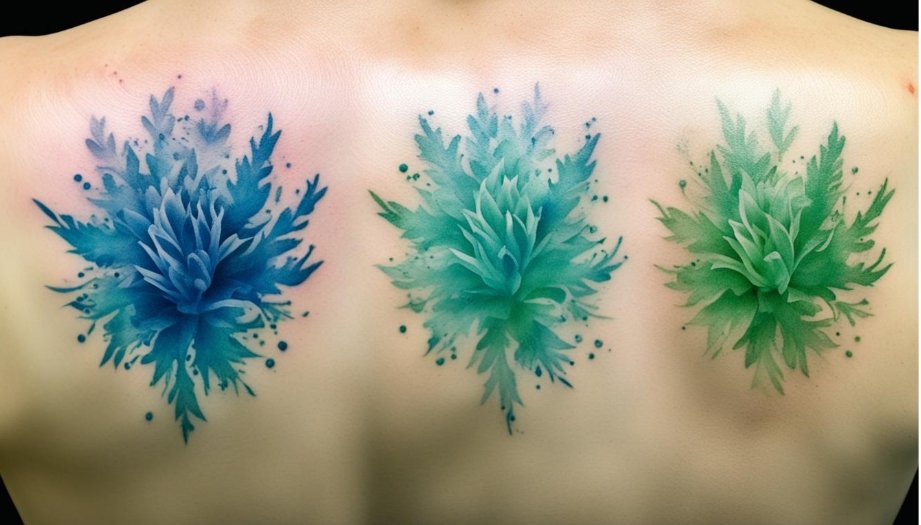
Have you ever regretted a tattoo you once loved? Getting body art is usually done with excitement, but personal tastes, careers, and feelings can change over time. If you want to remove your unwanted ink, you are in good company as modern cosmetic dermatology offers safe and reliable solutions.
Approaching this process with proper education gives you the knowledge and confidence to take back control of your skin. Whether you are looking to clear a small amateur piece or a large professional sleeve, understanding how modern clinics treat unwanted body art will help you navigate your choices successfully.
How Laser Tattoo Removal Actually Works
Shedding unwanted body art relies entirely on your body’s internal immune response rather than instant surface erasure.
Tattoo pigment sits safely trapped inside the dermal layer of your skin, where natural white blood cells view the ink particles as too large to destroy. Laser systems introduce precise pulses of optical energy that fracture these dense pigment clusters into microscopic fragments. Once the ink breaks apart, specialized cells called macrophages step in to collect the debris and transport it through your lymphatic drainage network over several weeks.
Comparing Removal Methods: Lasers, Excision, and Why Peels Are Out
Choosing the right technique requires distinguishing between clinically proven medical procedures and outdated or unsafe home remedies.
Modern dermatological practice relies almost exclusively on advanced lasers because they protect surrounding healthy tissue while shattering deep ink. Surgical excision, which involves physically cutting out the tattooed tissue and stitching the edges back together, is rarely used today outside of tiny spot tattoos or skin biopsy needs. Meanwhile, acid-based chemical peels and DIY removal creams are heavily discouraged by medical professionals because they rarely reach the deep dermal layer where ink sits, often resulting in severe chemical burns, permanent scarring, and disfiguring skin discoloration.
What to Expect: Sessions, Timelines, and Color Challenges
Setting realistic expectations about the multi-session timeline and ink color responses helps prevent frustration during your skin clearance journey.
Almost all professional tattoos require a series of treatments rather than a single visit. Most individuals need anywhere from 5 to 10 or more sessions spaced approximately 6 to 8 weeks apart to allow the body adequate time to clear the fragmented ink particles. Furthermore, ink colors react differently to specific laser wavelengths. Black and dark blue pigments absorb almost all laser wavelengths easily, making them the simplest to eliminate. On the other hand, bright neon shades like green, light blue, yellow, and white reflect certain light frequencies and require specialized laser settings and additional sessions to break down successfully.
| Ink Color | Removal Difficulty | Required Laser Considerations |
|---|---|---|
| Black & Dark Blue | Easiest | Responds well to standard 1064 nm Q-switched or Picosecond wavelengths. |
| Red & Orange | Moderate | Typically targeted efficiently using 532 nm wavelengths. |
| Green & Bright Blue | Challenging | Requires specific specialty wavelengths like 755 nm or 694 nm. |
Preparing for Your Session: Dos and Don’ts from Dermatologists
Proper pre-treatment preparation minimizes adverse skin reactions and ensures the laser energy interacts precisely with the pigment.
Dr. Emma Hartley, a top dermatologist at Skin Renewal Clinic, emphasizes the importance of avoiding sun exposure and artificial tanning for several weeks before your appointment. Sunburn or a fresh tan can interfere with the laser’s ability to target pigment safely, increasing the risk of blistering or pigment changes. Patients should also temporarily stop applying active skincare ingredients like retinoids or chemical exfoliants directly over the tattoo site. On the day of your appointment, wear loose and comfortable clothing that does not rub against the inked area. Skip makeup, lotions, or deodorants near the treatment zone, and ask your clinic about topical numbing creams to manage any treatment discomfort.
Post-Treatment Care and Recovery
Following strict aftercare instructions protects vulnerable new skin and promotes fast healing between treatment sessions.
Immediately after a laser session, your skin may feel warm, sensitive, or swollen, similar to a moderate sunburn. Tiny blisters or crusting can also develop as part of the normal healing response. It is vital never to pick at, pop, or scratch these blisters, as doing so introduces risks of bacterial infection and permanent scarring. Keep the area clean and dry, apply recommended healing ointments, and completely avoid soaking the skin in swimming pools or hot tubs until the surface heals entirely. Protecting the recovering skin from ultraviolet exposure with clothing or broad-spectrum sunscreen is equally important to prevent long-term discoloration.
Frequently Asked Questions
Does laser tattoo removal hurt?
Most patients describe the sensation as a quick snapping feeling, similar to a rubber band hitting the skin. Clinics typically apply topical numbing creams or use cold air cooling devices to keep you comfortable throughout the procedure.
Will tattoo removal leave a scar?
When performed by a trained professional using modern medical lasers, scarring is rare. Adhering strictly to post-treatment aftercare instructions significantly reduces any risk of scarring.
Can all skin tones undergo laser removal safely?
Yes, but practitioners must select specialized wavelengths, such as Nd:YAG lasers, and cautious energy settings to safely treat darker skin types without causing permanent hypopigmentation.
How long must I wait between removal sessions?
Dermatologists generally recommend waiting 6 to 8 weeks between appointments to give your lymphatic system enough time to flush away the shattered ink particles.
Are home removal creams or chemical peels effective?
Medical experts strongly advise against home removal creams and chemical peels because they cannot reach deep dermal ink and often cause severe skin damage, chemical burns, and scarring.
Can I remove just a portion of a larger tattoo?
Yes, advanced laser technology allows precise targeting, making it entirely possible to remove or fade a specific name, date, or section without disturbing the surrounding body art.
As you build confidence in taking care of your personal wellness, exploring broader grooming routines can also complement your lifestyle. For more guidance on specialized body maintenance topics, you can read our detailed advice on alternative body hair grooming methods.
Disclaimer: The medical, dermatological, and technological details shared in this article are for informational purposes only and may vary based on individual skin conditions, equipment used, and professional medical advice. Always consult a board-certified dermatologist or licensed practitioner before undergoing any cosmetic skin procedure.

Daniel J. Morgan is the founder of Invidiata Magazine, a premier publication showcasing luxury living, arts, and culture. With a passion for excellence, Daniel has established the magazine as a beacon of sophistication and refinement, captivating discerning audiences worldwide.


