

When building a personal grooming routine, navigating the wide range of hair removal options can easily feel overwhelming. Full-body waxing, traditional shaving, professional laser treatments, and chemical depilatory creams each come with distinct advantages and drawbacks. If you are pondering which approach best fits your lifestyle, it is essential to weigh the pros and cons of each option carefully before making a commitment.
Understanding how different hair removal techniques handle root extraction, surface cutting, and skin sensitivity helps you make an informed choice. Evaluating these practical factors prevents unexpected skin irritation and helps you find a maintenance schedule that feels manageable over the long term.
Comparing Upkeep Schedules, Pain Factors, and Results Durability
Comparing hair removal methods side by side allows you to quickly assess upkeep schedules, pain factors, and results timelines for each specific technique.
| Method | Mechanism | Results Duration | Maintenance Frequency | Relative Pain Level |
|---|---|---|---|---|
| Full-Body Waxing | Pulls hair from the root | 3 to 6 weeks | Monthly | Moderate to High |
| Shaving | Cuts hair at the surface | 1 to 3 days | Daily or bi-weekly | None (unless nicked) |
| Laser Hair Removal | Targets follicles with light | Semi-permanent | Periodic touch-ups | Mild to Moderate (tingling) |
| Depilatory Creams | Breaks down hair proteins | 3 to 5 days | Weekly | None (unless allergic) |
Evaluating Root Extraction and Regrowth Timelines in Full-Body Waxing
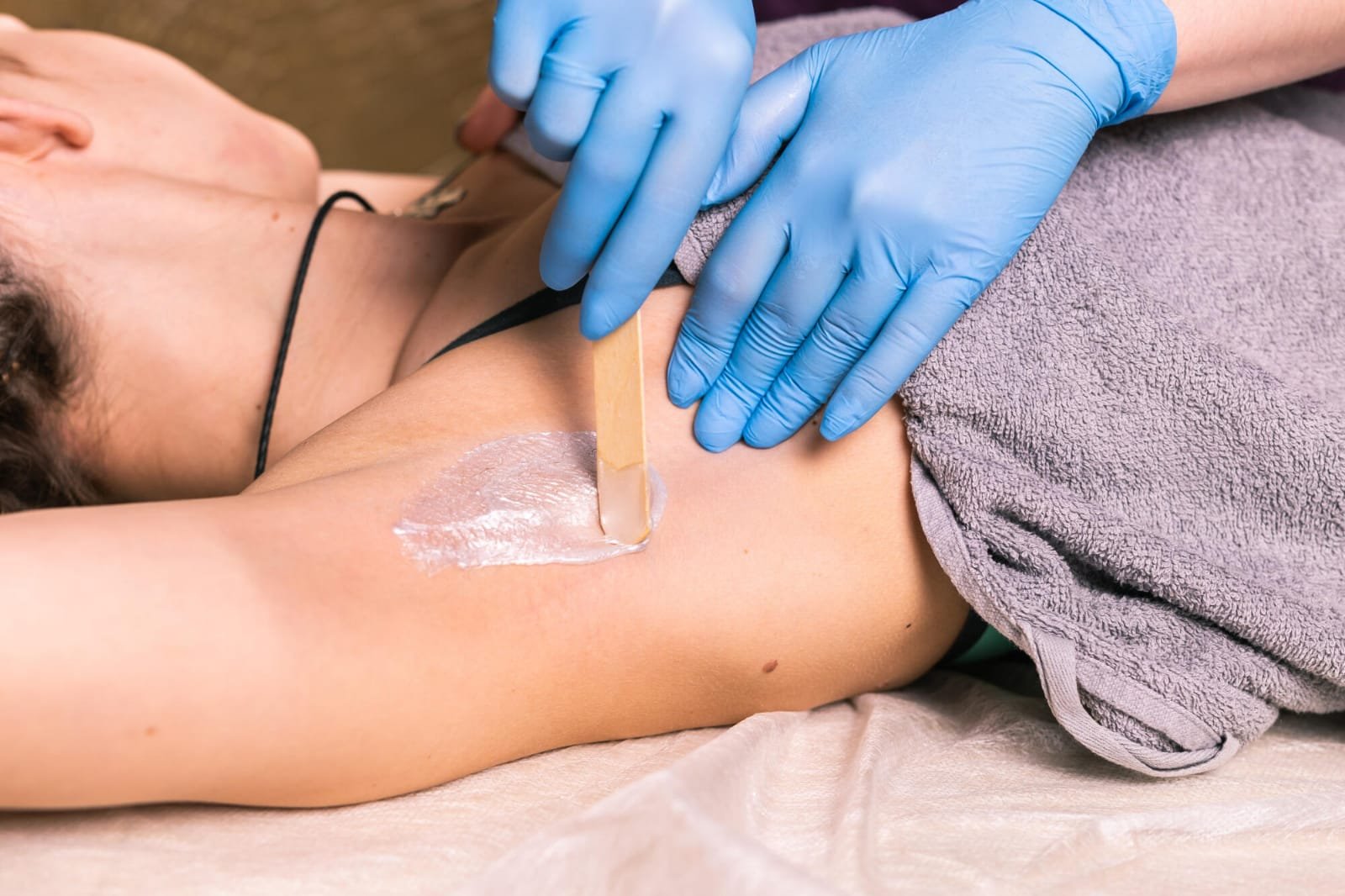
Full-body waxing is a comprehensive removal technique that involves applying warm or cool wax to the skin and pulling the hair out entirely from the root. This root-level extraction means that smooth skin can last for several weeks, which is significantly longer than surface-level methods. Many people also prefer full-body waxing because repeated sessions over time can lead to finer and softer hair regrowth. However, full-body waxing requires letting hair grow out to at least a quarter-inch between sessions, which means dealing with short stubble periods. The process can also cause temporary skin redness, sensitivity, and occasional ingrown hairs if proper exfoliation habits are skipped.
Assessing Speed, Convenience, and Surface-Level Upkeep With Shaving
Shaving remains one of the most common methods of hair removal because it offers unmatched speed and convenience right at home. Using a manual razor or an electric shaver allows you to eliminate surface hair quickly while showering or getting ready. The primary drawback of shaving is its short-lived results, as hair is cut only at skin level rather than uprooted from the follicle. This rapid regrowth often necessitates frequent maintenance, sometimes daily, to keep skin feeling consistently smooth. Additionally, rushing through a shave or skipping a protective moisturizing gel can easily lead to razor burn, small nicks, and skin irritation.
Analyzing Long-Term Reduction and Clinical Commitments in Laser Hair Removal
Laser hair removal utilizes concentrated beams of light to target pigment in hair follicles, gradually damaging them to reduce future growth. This advanced clinical method offers the benefit of long-lasting hair reduction, saving considerable time and effort over the course of several years. It works most effectively for individuals with high contrast between dark hair and light skin tones, though modern laser technology has expanded options for various skin types. On the downside, laser treatments require a significant upfront financial investment and a series of multiple clinic appointments spaced weeks apart to catch different hair growth cycles. Anyone exploring advanced clinical skin procedures should also look into specialized insights such as what to look for when choosing the right hair loss clinic for your needs to ensure safe and qualified professional care.
Understanding Chemical Breakdown and Home Safety Precautions for Depilatory Creams
Depilatory creams offer a painless, chemical-based way to dissolve hair proteins just beneath the skin surface so they can be easily wiped away. Applying a depilatory cream takes only a few minutes, making it a convenient home alternative for individuals who want to avoid the sting of waxing or the sharpness of razors. However, the active chemical ingredients in these creams have a distinct sulfur-like odor and can easily trigger allergic reactions or chemical burns if left on the skin too long. Conducting a preliminary patch test on a small area of skin 24 hours prior to full application is an absolute necessity to prevent adverse reactions.
Balancing Pain Tolerance, Budget, and Daily Schedules for Your Routine
Choosing the right hair removal method depends heavily on balancing your personal pain tolerance, available budget, and daily schedule. If you prioritize absolute convenience and zero pain at home, shaving or chemical creams might fit your routine best despite the frequent upkeep. If you want weeks of smooth skin without daily maintenance and do not mind periodic discomfort, full-body waxing is a strong contender. For those seeking a permanent reduction in hair density who are willing to commit financial resources and clinical time, laser treatments provide the most enduring outcome. Many individuals also find that maintaining healthy physical and emotional habits, much like those discussed in a guide on the ultimate guide to body wellness for teens and tricks, helps build a balanced approach to personal care and grooming maintenance.
Frequently Asked Questions
Does full-body waxing hurt less over time?
Yes, many people report that regular waxing sessions become noticeably less painful because hair grows back finer and roots become weaker.
How long must hair be for a full-body wax?
Hair should generally be about a quarter-inch long, or roughly the size of a grain of rice, for the wax to grip properly.
Can shaving cause thicker hair regrowth?
No, shaving does not change hair thickness or density; it only creates a blunt tip on the hair shaft that can feel coarser as it grows out.
Is laser hair removal permanent?
Laser hair removal provides long-term hair reduction rather than absolute permanent removal, meaning occasional touch-up sessions may be necessary.
How do depilatory creams work?
Depilatory creams use alkaline chemical agents to break down the keratin protein structure of the hair until it jellyfies and wipes away.
Are there side effects to chemical depilatory creams?
Potential side effects include chemical burns, redness, and allergic contact dermatitis if the product is left on too long or used on sensitive skin.
Can different hair removal methods be combined?
Yes, many people shave between wax appointments or use shaving for certain areas while laser-treating others based on convenience and budget.
Disclaimer: Hair removal results and skin reactions vary significantly from person to person depending on individual skin sensitivity and hair type. Always consult with a licensed aesthetician or dermatologist before starting new clinical treatments or chemical regimens.


[…] As you build confidence in taking care of your personal wellness, exploring broader grooming routines can also complement your lifestyle. For more guidance on specialized body maintenance topics, you can read our detailed advice on alternative body hair grooming methods. […]