

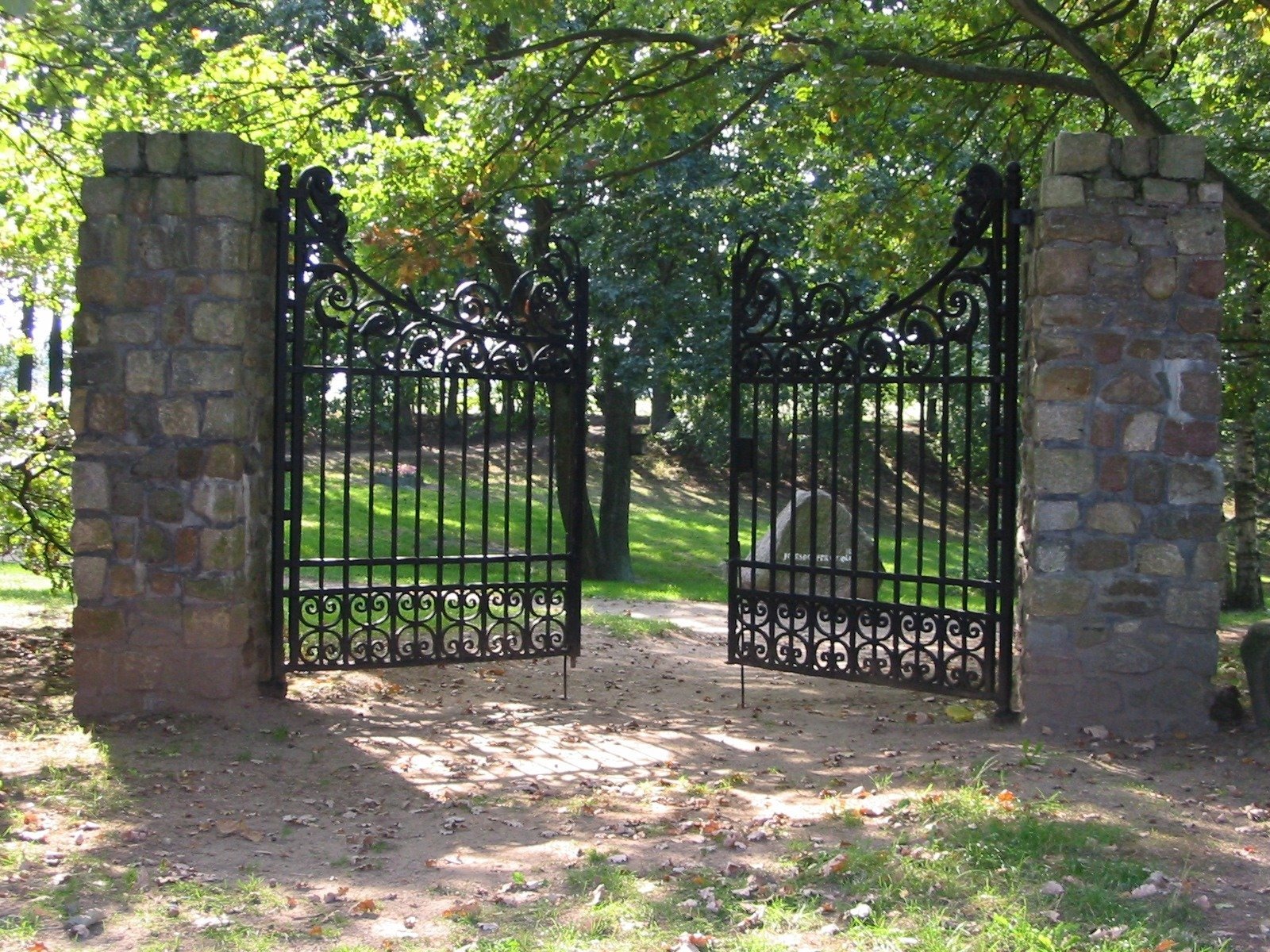
Automated entryways elevate both the security and curb appeal of residential and commercial properties, offering seamless daily access without the hassle of manual lifting. However, because these systems combine heavy mechanical hardware with delicate electronic control boards, they experience constant stress from weather, daily cycles, and physical wear. Establishing a consistent property care routine prevents minor friction points or sensor misalignments from turning into expensive emergency failures.
Property owners looking to protect their investment need a clear understanding of mechanical vulnerabilities, seasonal upkeep routines, and the boundaries between safe do-it-yourself adjustments and professional electrical servicing. Proactive preservation ensures that automated barriers operate reliably year-round while keeping family members, visitors, and vehicles completely safe.
How Drive Motors, Control Boards, and Optical Sensors Work Together
Electric gates rely on a tightly synchronized network of mechanical actuators and electronic sensors working together to manage movement. The drive motor acts as the heavy-duty muscle of the setup, pushing or pulling massive steel, wood, or aluminum panels along tracks or on swing hinges. Meanwhile, the main control board functions as the central processor, interpreting incoming radio signals from remote transmitters, keypad inputs, and vehicle loop detectors.
Safety photocells and reversing edges serve as the critical sensory safeguards of the entire installation. These optical beams project invisible lines across the driveway opening, instantly halting or reversing the gate if a child, pet, or vehicle enters the path. When dirt accumulation, spider webs, or physical impacts knock these sensitive components out of alignment, the entire mechanism can become unresponsive or unsafe.
Why Scheduled Upkeep Safeguards Perimeter Security and Lowers Repair Bills
Routine upkeep preserves the core defensive barrier of your property while drastically lowering your long-term cost of ownership. When rollers bind or tracks fill with compacted debris, the drive motor must work twice as hard to cycle open and closed, leading to premature burnout. Keeping all moving parts properly tuned mirrors broader property preservation strategies, much like how regular home maintenance enhances your lifestyle and comfort by eliminating unexpected household stress and costly emergency repairs.
Furthermore, an unmaintained gate is a compromised security feature. If a damaged latch or a slipping chain prevents the barrier from latching tightly shut, unauthorized individuals can easily push the panels open. Scheduled inspections catch loose bolts, frayed drive belts, and worn hinges long before they jeopardize your perimeter safety.
Combatting Ice, Dust, and Seasonal Weather Changes
Environmental shifts introduce unique challenges that require targeted seasonal attention to keep motorized barriers functioning smoothly. Autumn brings falling leaves and damp debris that settle directly into sliding gate channels, jamming wheels and straining internal gears. Winter weather introduces freezing rain and snowmelt that can seep into control box housings or lock mechanisms, making silicone-based lubricants and weatherproof housing seals essential.
Spring and summer bring high winds, dust storms, and heavy pollen that coat optical safety sensors and gum up sliding tracks. Homeowners should perform bi-annual physical inspections of all exposed hardware, clearing out dirt accumulation and wiping down sensor lenses to maintain unobstructed signal transmission.
Preserving Timber Privacy Panels, Wrought Ironwork, and Aluminum Frames
Different gate construction materials demand distinct preservation methods to prevent structural decay and cosmetic weathering over time. Wooden privacy gates require routine staining or waterproof sealing every few years to block moisture penetration, which prevents warping, dry rot, and insect infestation. Traditional wrought iron structures require constant vigilance against rust, needing immediate wire brushing and protective touch-up paint whenever the powder coat chips.
Modern architectural aluminum gates require far less intensive structural care because the metal naturally resists corrosion. However, aluminum panels still benefit from seasonal soap-and-water washdowns, especially in coastal environments where airborne salt spray can pit the finish and dull the appearance.
Balancing Safe Homeowner Tasks With Certified Electrical Servicing
Knowing which tasks are safe for property owners to handle and which require professional intervention prevents accidental injury and costly equipment damage. Homeowners can safely clear track obstructions, wash down external surfaces, test auto-reverse pressure limits, and lubricate visible hinges. However, high-voltage wiring, logic board programming, and high-tension spring adjustments demand certified expertise.
| Maintenance Procedure | Suggested Timeline | Responsible Party |
|---|---|---|
| Track debris clearance & sensor wipe-down | Monthly | Property Owner (DIY) |
| Hinge and roller lubrication | Every 3 to 6 months | Property Owner (DIY) |
| Auto-reverse entrapment testing | Semi-annually | Property Owner (DIY) |
| Control board & wiring inspection | Annually | Licensed Technician |
| Drive chain tension & limit switch calibration | Annually | Licensed Technician |
Integrating Smartphone Apps, Wi-Fi Modules, and Battery Diagnostics
Modern access technology incorporates smart Wi-Fi modules and dedicated mobile applications that transform how property owners monitor gate health. These connected systems transmit real-time alerts directly to your smartphone if a gate remains open past a designated curfew or encounters an obstruction during closure. Built-in battery backup health monitoring also notifies users when secondary power units require replacement before a grid outage traps vehicles inside.
Frequently Asked Questions About Electric Gate Care
How often should I lubricate my electric gate hinges?
You should lubricate your gate hinges, bearings, and rollers every three to six months using a specialized silicone or PTFE spray that repels dust instead of trapping it.
Can I perform electric gate maintenance myself?
Basic visual inspections, track cleaning, and sensor wipe-downs are great DIY projects, but electrical wiring and high-tension components require professional service.
Why is my electric gate reversing before closing completely?
A gate typically reverses mid-cycle when safety photocells are misaligned, blocked by dirt, or when physical resistance in the track triggers the auto-reverse safety mechanism.
What should I do if my electric gate loses electrical power?
Most modern automatic gate motors feature a manual release key that lets you disengage the drive gear and open the heavy barrier safely by hand.
How long do electric gate motors typically last?
With consistent preventative upkeep and timely replacement of worn drive components, a quality electric gate motor generally operates efficiently for ten to fifteen years.
Are smart gate openers worth installing?
Smart openers provide excellent convenience through remote smartphone access, temporary visitor pass creation, and instant diagnostic notifications.
Disclaimer: The maintenance guidelines and technical details outlined in this article are provided for general informational purposes only. Gate hardware specifications vary widely by manufacturer and model; always consult your equipment’s official manual or a licensed technician for specific servicing instructions.


