

Fences have long served as property borders, but standard off-the-shelf panels rarely match the specific contours of a residential lot or an owner’s personal taste. Generic prefabricated kits often create awkward gaps on sloping land and fail to complement unique home exteriors.
Choosing a tailored perimeter approach solves these structural and visual mismatches completely. Property owners who invest in bespoke boundary planning gain full control over every dimension, material selection, and security feature.
Read on to examine how tailored property enclosures transform outdoor living spaces through precision engineering and individual style.
Overcoming Slopes and Odd Lot Lines With Made-to-Measure Panels
Overcoming slopes and odd lot lines with made-to-measure panels eliminates the unsightly soil gaps and stair-stepped profile common with standard pre-made fencing kits.
Every residential lot features distinct topography, from rolling hills to sharp corner angles that standard rectangular sections cannot accommodate properly. Bespoke manufacturing lets builders rack or step panels precisely along the natural grade of the terrain.
This exact fit prevents small pets from squeezing underneath the boundary and stops soil erosion from spilling into adjacent walkways. Custom posts can also be anchored at custom depths to handle challenging soil conditions like dense clay or loose sand.
Furthermore, property owners working with unique boundary shapes avoid the awkward overlapping or trimming required when forcing mass-produced panels into non-standard perimeters.
Harmonizing Boundary Materials With Your Home Architecture
Harmonizing boundary materials with your home architecture creates a seamless visual transition from the main structure out to the edge of the property.
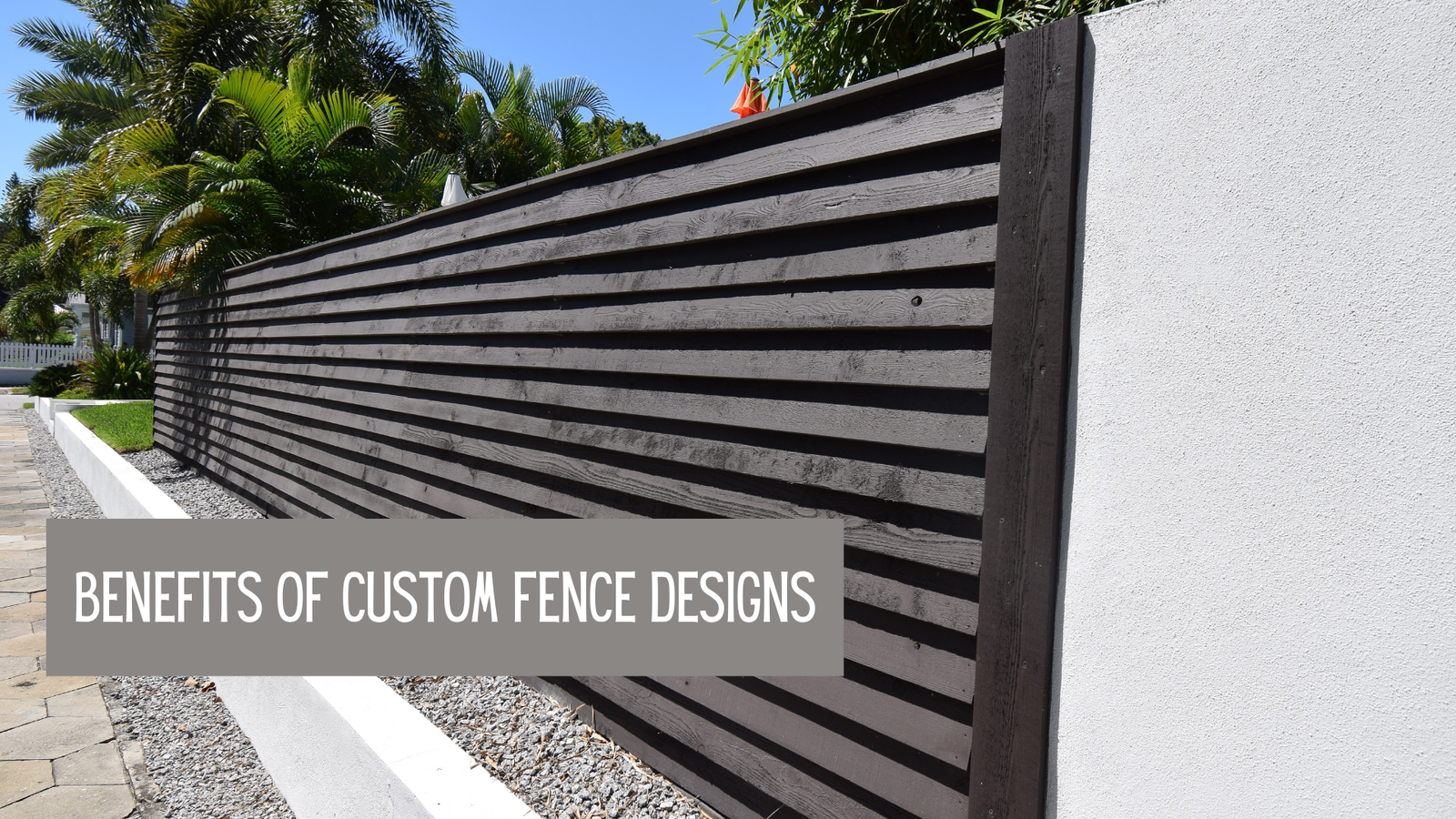
Instead of treating the perimeter as a separate afterthought, homeowners can match specific exterior details like stone veneer bases, roof pitch angles, or trim colors. Mixing materials such as cedar boards with galvanized steel posts or adding horizontal slat configurations modernizes traditional suburban lots.
These intentional styling choices prevent heavy wooden barriers from overwhelming compact yards or blocking natural light flow. Integrating decorative features like custom post caps or built-in trellises turns a standard barrier into an eye-catching landscape feature.
Coordinating outdoor aesthetics also extends to other property upgrades, providing inspiration for homeowners exploring parallel projects like investing in custom tailored suits to maintain a polished, detail-oriented standard across all personal choices.
Addressing Specific Household Privacy and Safety Requirements
Addressing specific household privacy and safety requirements ensures that your enclosure performs exactly how your family and pets need it to.
Families with energetic dogs require tightly spaced vertical pickets and reinforced lower rails that withstand daily wear without bowing. Homeowners living near busy roads can specify heavy composite boards or acoustic-rated panel layouts to block neighborhood traffic noise effectively.
Custom engineering also allows for integrated security additions, such as self-closing driveway gates, hidden garbage bin enclosures, or reinforced hardware for automated access systems.
Tailoring the height and slat spacing gives households complete control over line-of-sight angles from neighboring second-story windows without feeling trapped behind a fortress wall.
Evaluating Upfront Costs Against Long-Term Material Durability
Evaluating upfront costs against long-term material durability reveals why higher initial investments in bespoke fences often save money over time.
Standard builder-grade materials frequently warp, rot, or fade within a few seasons, requiring frequent repairs and premature full replacements. Custom builds utilize premium hardwoods, heavy-gauge metals, or rot-resistant composite lumber engineered for local weather extremes.
Real estate appraisers consistently note that quality exterior boundaries constructed with durable components boost curb appeal and attract discerning buyers during resale.
The chart below highlights key operational differences between standard prefabricated options and custom-built alternatives.
| Feature Comparison | Standard Prefabricated Fencing | Custom-Built Enclosures |
|---|---|---|
| Terrain Adaptation | Requires manual cutting or leaves gaps on slopes | Engineered to follow exact grade and contours |
| Material Quality | Lightweight consumer-grade lumber or thin vinyl | Heavy-duty hardwoods, structural steel, or dense composites |
| Lifespan Expectancy | Shorter due to standard weather wear and weak fasteners | Extended durability backed by professional installation warranties |
Navigating Local Zoning Regulations and Installation Planning
Navigating local zoning regulations and installation planning prevents costly compliance violations before any construction posts go into the ground.
Municipalities enforce strict maximum height limits for front yards, side yards, and backyards, along with specific setback rules from public sidewalks. Homeowners associations (HOAs) often have additional design restrictions regarding color palettes, permitted materials, and acceptable slat spacing.
Contacting local utility marking services is a mandatory preliminary step to locate underground electrical, gas, or water lines prior to digging post holes.
Consulting professional installation experts early in the design phase ensures wind load ratings, gate weight distribution, and property boundary lines are verified correctly.
Frequently Asked Questions
Why choose custom fence designs over standard pre-made panels?
Custom fence designs provide an exact fit for irregular property lines and sloped ground where standard rectangular panels fail to sit properly.
Are custom fences more durable than store-bought options?
Yes, custom installations typically incorporate superior framing methods and heavy-grade materials designed to withstand local climate stressors.
Can custom fences help reduce street noise?
Custom layouts can integrate dense composite boards or acoustic panel configurations that effectively dampen surrounding neighborhood sounds.
Do custom fences increase home resale value?
High-end custom perimeters enhance immediate curb appeal and signal meticulous property upkeep to prospective buyers.
What materials are available for custom fence building?
Homeowners can choose from sustainably harvested hardwoods, horizontal metal slats, durable vinyl, wrought iron, and recycled composite boards.
What should I check before installing a custom fence?
You must review municipal zoning restrictions, property surveys, HOA guidelines, and underground utility clearance requirements before building.
Disclaimer: Fencing regulations, setback rules, and material availability vary significantly by region. Property owners should verify all local legal requirements and consult certified professional installers before starting any construction work.


