
Image by matham315 from Pixabay
Whether or not society wishes to admit it, personal appearance influences first impressions in almost every social and professional setting. While hair, grooming, and footwear all play supporting roles, the single garment that offers the greatest command over your overall silhouette is what you wear on your torso and legs.
After generations of changing fashion trends, menswear has settled firmly on one item that elevates a man’s presence instantly: a meticulously fitted suit. Even so, many men purchase off-the-rack garments and wear them straight out of the store without consulting a tailor. This guide explores the psychological advantages of customized tailoring, breaks down the essential geometry of a proper fit, and examines the hidden interior details that separate a seasonal garment from a lasting wardrobe staple.
The Psychological Edge and Professional Impact of Custom Tailoring
Wearing a tailored suit alters your internal confidence while signaling competence, reliability, and attention to detail to everyone around you.
Custom tailoring is often viewed as an exclusive luxury reserved for high-earning executives, but professional alterations are surprisingly accessible for everyday shoppers. A skilled local tailor can reshape an affordable ready-to-wear jacket so that it drapes smoothly across your unique skeletal structure, creating an appearance of bespoke elegance without an extravagant price tag. This means sharp dressing is a practical choice available to anyone willing to invest a little time in adjustments.
Psychologists refer to the impact of clothing on mental performance as enclothed cognition, a documented phenomenon where wearing structured professional attire changes how you think, speak, and act. When your jacket sits squarely on your shoulders and your trousers break neatly over your shoes, you naturally stand taller and project more authority in high-stakes environments. Prospective employers and business clients register these subtle visual cues immediately, often associating crisp sartorial choices with professional competence and thorough preparation.
These advantages extend well beyond corporate boardrooms and job interviews, carrying over naturally into romantic dates, formal celebrations, and upscale social gatherings. People intuitively respect someone who takes pride in his presentation, making proper tailoring a reliable tool for navigating both professional advancement and personal confidence.
Decoding Proper Fit: Shoulders, Chest Drapes, and Proportions
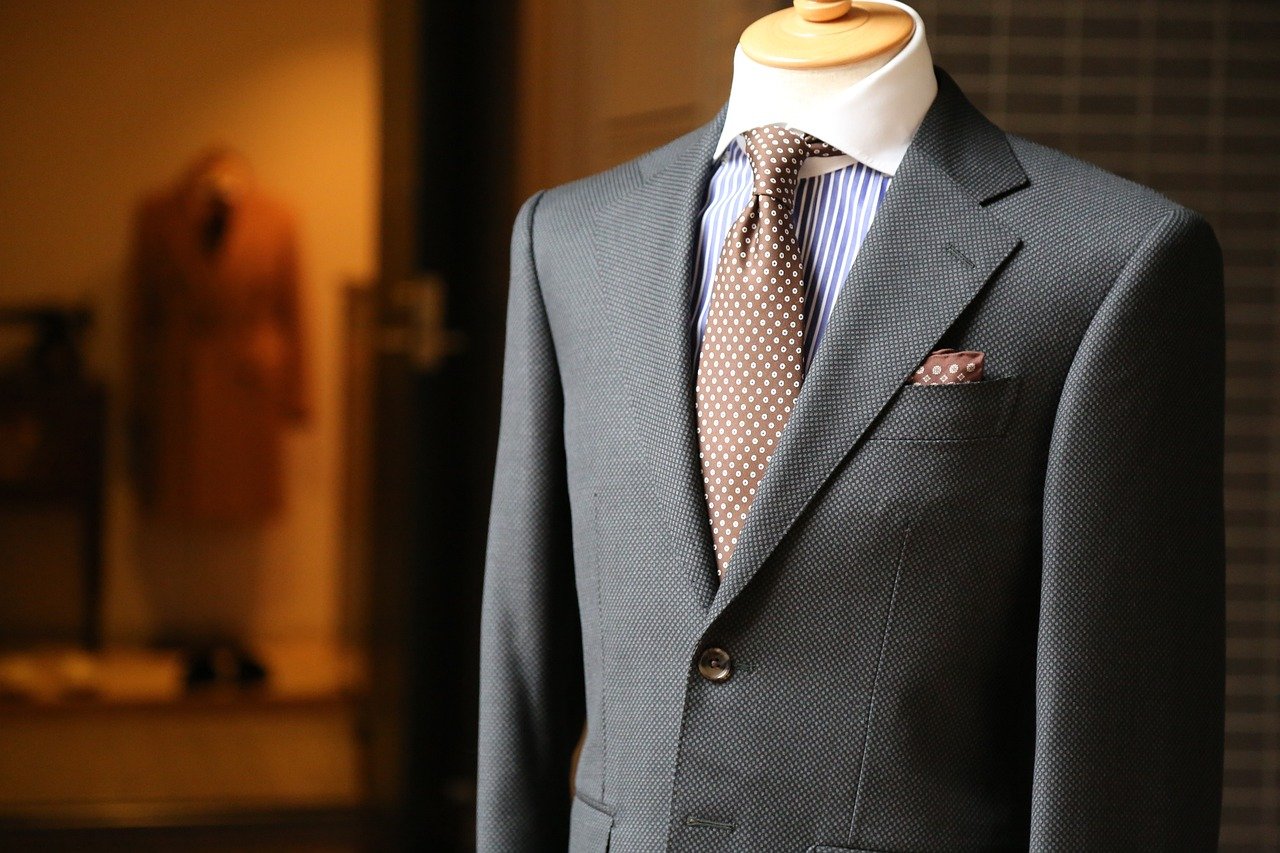
A properly fitted suit relies on exact shoulder alignment, a balanced chest drape, and precise sleeve and trouser breaks that complement your natural body frame.
The foundation of any good jacket is the shoulder seam, which must terminate precisely where your collarbone meets your arm bone without extending outward or bunching up. Because altering shoulders requires a complete structural teardown of the garment, getting this measurement right from the start is critical when shopping for a base suit.
Beyond the shoulders, the chest piece should close cleanly over your sternum when buttoned, leaving enough room to slide a flat hand inside without creating an awkward X-shaped pull across the fabric. Jacket sleeves should finish slightly above your wrist bone, allowing roughly a quarter-inch of your dress shirt cuff to peek out into view. Meanwhile, trousers require a measured break where the hem meets the shoe leather, avoiding excessive fabric pooling around the ankles while maintaining a clean, elongated vertical line.
Selecting the right fabric weight and colorway further enhances these geometric proportions for everyday utility. Mid-weight worsted wool provides remarkable breathability across multiple seasons, while navy blue and charcoal gray offer the utmost versatility for transitioning between daytime business meetings and evening formal events.
Recognizing Superior Craftsmanship Markers in Fine Menswear
Evaluating structural indicators like lapel roll dynamics, authentic button materials, and working sleeve cuffs helps you distinguish exceptional tailoring from mass-produced garments.
A low-quality jacket often features stiff lapels that fold over in a sharp, mechanical crease resembling cardboard, whereas a well-constructed garment boasts a soft, three-dimensional lapel roll that curves naturally toward the chest button. This gentle roll is achieved through careful internal padding and hand-stitching rather than aggressive machine pressing.
Hardware details also reveal a manufacturer’s commitment to quality. Traditional high-end suits feature buttons carved from genuine buffalo horn or corozo nuts, which hang slightly loose from the fabric threads when unbuttoned rather than sitting rigidly flush. Furthermore, while budget jackets rely on glued-on decorative buttons at the wrists, quality tailoring incorporates working surgeon cuffs with functional buttonholes that can actually be unfastened.
Inside the Jacket: Fused Versus Fully Canvassed Construction
Internal jacket construction dictates long-term durability, fabric drape, and how effectively the garment molds to your body shape over years of regular use.
Mass-market menswear typically utilizes fused construction, bonding a synthetic interfacing directly to the back of the outer wool fabric using heat-activated resin. While this keeps initial retail costs low, fused jackets can occasionally bubble, delaminate, or stiffen over time when exposed to moisture or dry cleaning chemicals.
In contrast, premium tailoring employs a fully canvassed interior built from a floating horsehair and wool chest piece stitched between the lining and outer fabric. This floating canvas allows the jacket to breathe, flex, and conform organically to your posture over years of continuous wear, resulting in a superior drape that cannot be replicated by synthetic fusing. For professionals seeking to streamline broader lifestyle routines alongside their wardrobe, exploring comprehensive software platforms for modern business operations can offer parallel insights into organizational efficiency.
Frequently Asked Questions About Men’s Tailoring
How much should I expect to spend on basic suit alterations?
Basic tailoring fees vary based on regional labor rates and the complexity of adjustments, but standard trouser hemming and jacket waist suppression typically represent a very modest investment compared to buying an entirely new garment.
Can any off-the-rack suit be altered to fit perfectly?
Most ready-to-wear suits can be successfully adjusted in the sleeves, torso, and trouser legs, provided that the shoulder width and chest size match your natural skeletal frame reasonably well from the beginning.
How often should a tailored wool suit be dry cleaned?
Wool suits require very infrequent dry cleaning because harsh chemical solvents strip natural lanolin from the fibers; instead, brush the fabric after wearing and hang it in an open space to air out naturally.
Is a custom bespoke suit always better than an altered ready-to-wear suit?
Bespoke suits offer complete pattern customization and personalized fittings from scratch, but a well-altered ready-to-wear garment can achieve a comparable visual silhouette at a fraction of the total cost.
What color should my first tailored suit be?
Solid navy blue or dark charcoal gray serves as the ideal first choice because these neutral shades transition seamlessly between professional job interviews, formal weddings, and evening functions.
How can I find a trustworthy local tailor for expensive garments?
Start by bringing in a simple item like a pair of trousers for basic hemming, evaluate their attention to detail and turnaround time, and check local customer reviews before trusting them with a structured jacket.
Disclaimer: Tailoring standards, material costs, and service availability vary depending on individual artisans and regional markets. Readers should consult qualified local professionals and review specific garment care labels before undertaking major clothing modifications.

Daniel J. Morgan is the founder of Invidiata Magazine, a premier publication showcasing luxury living, arts, and culture. With a passion for excellence, Daniel has established the magazine as a beacon of sophistication and refinement, captivating discerning audiences worldwide.


[…] precisely with your physical build. If you want to explore broader sartorial choices, understanding the advantages of wearing tailored suits can help clarify why custom construction outperforms mass-market alternatives in longevity and […]
[…] features. A traditional dress watch pairs effortlessly with formal evening attire or complements the advantages of wearing tailored suits during corporate board meetings and upscale […]
[…] When considering broader physical maintenance and personal presentation choices, some individuals also explore complementary grooming steps or seek professional guidance when navigating major wardrobe decisions, such as investing in custom tailored suits. […]
[…] lifestyle and grooming investments, maintaining overall personal presentation is key, much like how investing in custom tailored suits completes a polished professional […]
[…] to other property upgrades, providing inspiration for homeowners exploring parallel projects like investing in custom tailored suits to maintain a polished, detail-oriented standard across all personal […]