

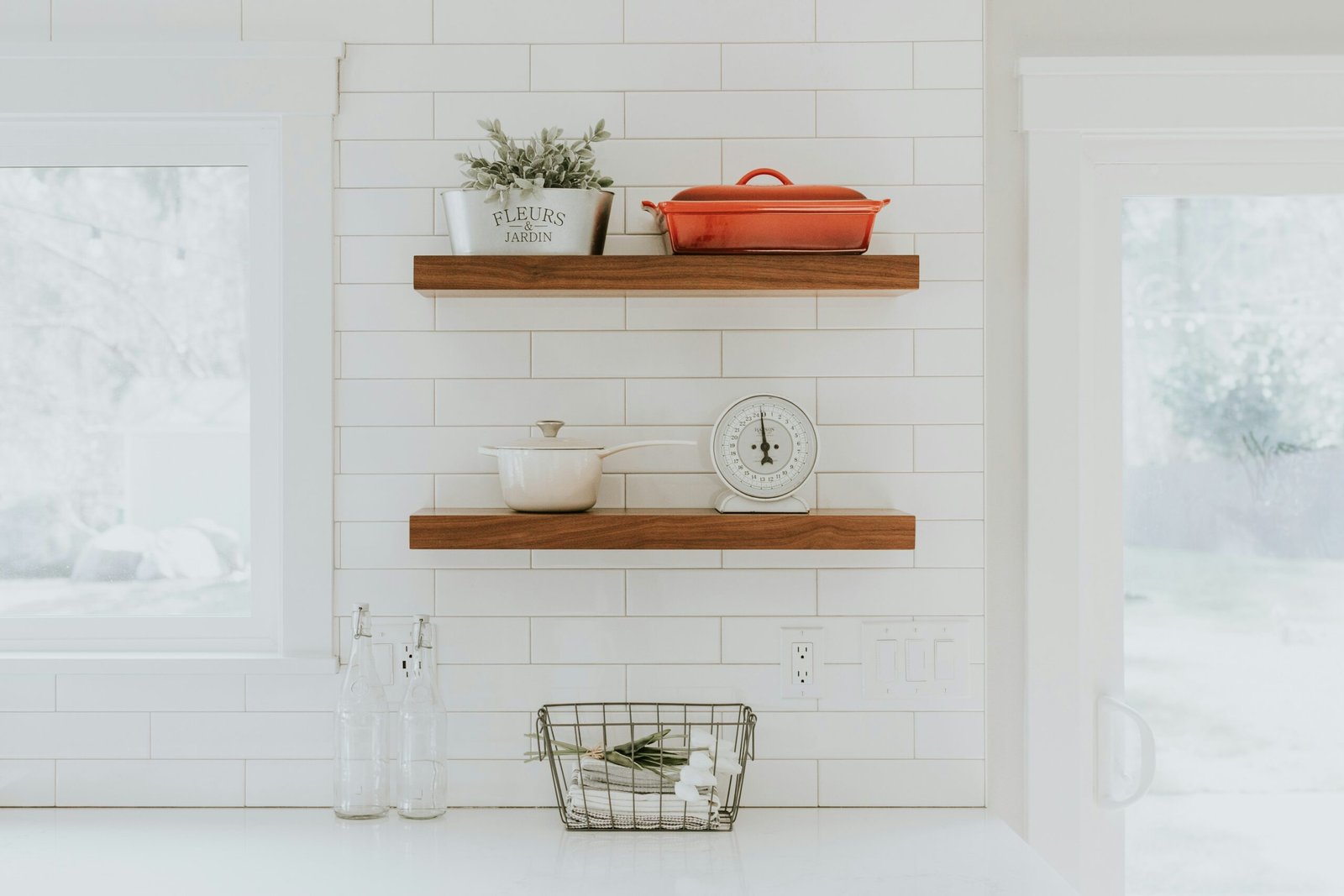
When homeowners plan a kitchen overhaul, the awkward 90-degree intersection of two walls always presents a unique geometric dilemma. While straight runs of base cabinets install predictably, handling the corner requires specialized engineering to prevent lost storage and frustrating access bottlenecks. Selecting the correct corner kitchen cabinet dictates whether your daily cooking routine flows smoothly or grinds to a halt every time you need a mixing bowl from the back. Taking a thoughtful approach to interior mechanics, clearance arcs, and custom insert configurations ensures that every square inch of your room remains genuinely useful.
Decoding Spatial Geometry and Door Clearance Interferences
Before evaluating cabinet boxes, you must analyze how adjacent appliances, handle projections, and wall irregularities restrict the opening swing of your corner doors. A common mistake involves placing a blind or diagonal cabinet directly next to a dishwasher or wall oven, which often results in handles colliding and preventing full drawer extension. Mapping out exact floor clearances with cardboard templates or blue painter’s tape lets you visualize the physical swing path before committing to a permanent layout. Measuring wall squareness is equally critical because older homes rarely feature true 90-degree angles, meaning a rigid pre-fabricated box might leave unsightly gaps or require custom scribe molding during installation.
Evaluating Traditional Blind Corners Versus Dynamic Rotating Units
Choosing between a classic blind corner structure and a rotating lazy Susan setup depends entirely on your willingness to reach deep into unlit cavities versus your need for high-volume item rotation. Blind corner boxes make use of otherwise wasted wall junctions by extending a deep storage cavity past the adjacent door frame, though items pushed into the far rear require reaching deep inside or installing aftermarket pull-out trays. Lazy Susan units eliminate that hard-to-reach dead zone entirely by mounting circular, independent spinning shelves onto a central vertical axis. This rotating mechanism brings pots, pans, and dry goods directly to the front opening with a gentle spin, though the curved circular shape does leave small slivers of unused negative space in the square corners of the outer cabinet housing.
| Storage Architecture | Accessibility Rating | Ideal Storage Application |
|---|---|---|
| Blind Corner with Fixed Shelf | Low (Requires reaching into dark rear) | Infrequently used seasonal cookware and bulk supplies |
| Multi-Tier Lazy Susan | High (Full rotation brings items forward) | Everyday mixing bowls, spices, and small appliances |
| Diagonal Angled Cabinet | Moderate (Wide dual-door entry portal) | General kitchen storage with wide opening visibility |
Advanced Engineering With Swing-Out Magic Corner Systems
Modern hardware innovations have introduced articulating swing-out frames and multi-tier wire baskets that completely pull stored items out of the cabinet interior when the door opens. These mechanical pull-outs utilize heavy-duty steel tracks that guide front and rear shelves out into the open room in a synchronized sliding motion. While these systems carry a higher price tag than basic stationary shelving, they eliminate the need to crouch down and blindly grope around dark cabinet corners. Selecting a mechanism with integrated soft-close dampeners ensures that heavily laden wire trays glide shut silently without slamming against the cabinet frame.
Integrating Corner Units With Overall Kitchen Aesthetics
Balancing functional internal mechanics with cohesive exterior woodwork ensures your corner storage solution blends seamlessly into your broader interior design scheme. Matching your door profile style, paint sheen, wood grain species, and cabinet hardware creates a unified visual line across all perimeter walls. Choosing the right finish also affects long-term durability, as high-traffic kitchen corners frequently suffer scuffs from hips, vacuum cleaners, and heavy grocery bags. Selecting durable factory-applied conversion varnishes or high-pressure laminates protects your corner woodwork from chipping and moisture damage over years of daily culinary use.
Frequently Asked Questions
What is the main drawback of a standard blind corner cabinet?
The primary limitation is restricted accessibility, as items pushed into the far interior rear are difficult to retrieve without bending down and reaching deep inside the dark cavity.
Can I upgrade an existing stationary blind corner with pull-out trays?
Yes, numerous aftermarket hardware manufacturers sell retrofit swing-out and pull-out frame kits designed to fit inside standard existing cabinet openings using basic household tools.
How do I stop corner cabinet doors from colliding with adjacent handles?
Proper layout planning, strategic hinge restrictor clips, and appropriate filler strips installed between walls and cabinet boxes prevent doors from striking nearby hardware or adjacent drawer pulls.
Are diagonal corner cabinets considered outdated in modern design?
While minimalist modern kitchens often prefer clean-lined blind corners with concealed hardware, diagonal cabinets remain popular for their wide-opening dual doors and traditional aesthetic charm.
What material offers the best weight capacity for heavy corner shelves?
Industrial-grade plywood and high-density fiberboard coated with resilient laminate or solid wood veneers provide superior structural strength for heavy cast-iron cookware and electric appliances.
How much should I expect to invest in premium corner hardware mechanisms?
Advanced multi-tier swing-out steel pull-outs generally range from two hundred to several hundred dollars depending on the brand engineering, weight rating, and soft-close features.
Choosing the right corner kitchen cabinet for your space ultimately transforms an awkward structural obstacle into an efficient, highly organized storage zone. By carefully assessing room geometry, comparing rotating and sliding mechanisms, and factoring in your material budget, you can design a cooking environment built for lasting utility. For homeowners planning broader property renovations, you can also consult our guide on industrial climate control systems when evaluating specialized environmental management options for utility and storage rooms. Always verify your final structural measurements with official supplier specifications before placing any custom cabinet orders.


