

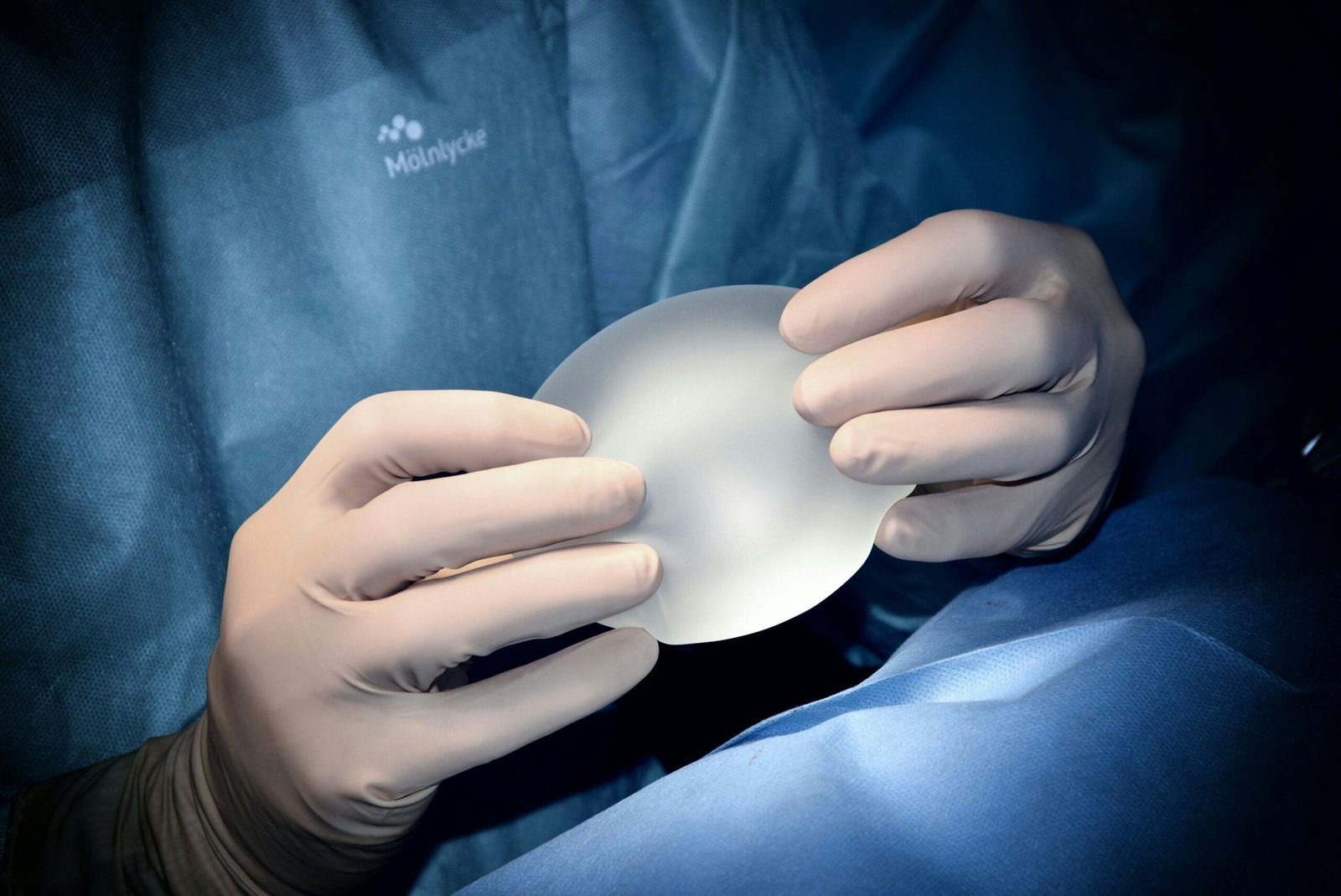
Photo by philippe spitalier on Unsplash
Are you looking to enhance your natural curves but feeling unsure where to begin your research? Understanding the terminology is the first step, as many people use different terms interchangeably without realizing that breast augmentation and breast implants refer to two distinct aspects of cosmetic surgery.
Breast augmentation represents the broad surgical category of procedures designed to change breast size, shape, or symmetry. Breast implants, conversely, represent the specific medical devices that a surgeon inserts into the body during certain types of augmentation procedures.
Clarifying this distinction helps prospective patients navigate their choices with confidence. Whether exploring surgical options for personal aesthetic enhancement or medical reconstruction, knowing how procedures and devices work together ensures informed decision-making.
Decoding the Surgical Umbrella Versus Manufactured Devices
Breast augmentation operates as an overarching surgical procedure category, while breast implants function as the actual medical devices utilized within many of those procedures to add volume.
When plastic surgeons perform breast augmentation, they do not exclusively rely on manufactured devices. The primary goal of augmentation is to improve overall proportions, correct natural asymmetry, or restore lost volume due to various life events. While synthetic or silicone devices remain the most common method to achieve these changes, the term augmentation encompasses any technique intended to alter the size and contour of the breast.
Recognizing this relationship prevents common misconceptions. Patients often enter consultations believing that getting a breast augmentation automatically requires synthetic implants, overlooking alternative techniques that utilize natural biological materials.
Comparing Surgical Techniques and Alternative Approaches
Breast augmentation procedures can be performed using traditional manufactured implants, autologous fat transfer, or combination surgical techniques.
Traditional implant surgery involves creating a surgical pocket to house either a silicone gel or saline device. Fat transfer augmentation uses liposuction to harvest fat from other parts of the body, such as the abdomen or thighs, purifies it, and reinjects it into the breast tissue. This fat transfer method provides modest volume increases with a very natural look and feel, though it requires sufficient donor fat elsewhere on the patient’s body.
Some patients also combine augmentation with a breast lift procedure. A breast lift removes excess skin and tightens surrounding tissue to elevate drooping breasts without necessarily adding volume, though combining a lift with implants or fat transfer delivers both heightened positioning and enhanced fullness.
| Procedure Type | Primary Method | Best Suited For |
|---|---|---|
| Implant-Based Augmentation | Silicone or saline devices inserted into pockets | Significant size increase and predictable shape |
| Fat Transfer Augmentation | Purified autologous fat harvested via liposuction | Modest volume enhancement and natural feel |
| Mastopexy with Augmentation | Breast lift combined with implants or fat transfer | Sagging correction alongside volume restoration |
Evaluating Fill Materials, Anatomical Profiles, and Pocket Placement
Implant-based procedures require careful selection of fill materials, physical profiles, surface textures, and surgical pocket placements.
Silicone gel implants maintain a cohesive consistency that closely mimics natural breast tissue, whereas saline implants consist of an elastomer shell filled with sterile saltwater after placement. Surgeons also offer different implant profiles, ranging from low-profile options with a broader base to high-profile devices that project further forward.
Surface texture choices include smooth or textured options, though textured devices are subject to specific regulatory oversight due to rare associated medical risks. Furthermore, surgeons place these devices either sub-glandularly directly beneath the breast tissue or sub-muscularly partially underneath the chest muscle, depending on a patient’s anatomy and tissue coverage.
Balancing Aesthetic Desires Against Reconstructive Medical Needs
Elective cosmetic enhancement focuses on personal aesthetic desires, whereas reconstructive surgery addresses medical needs following trauma or mastectomy.
Elective augmentation is chosen by individuals wishing to boost self-confidence, correct developmental asymmetries, or restore fullness lost after pregnancy, nursing, or significant weight fluctuations. Reconstructive surgery, on the other hand, serves a restorative medical function after cancer treatments or accidental injuries. Reconstructive procedures aim to rebuild breast symmetry and form to help patients regain a sense of normalcy and physical wholeness.
While both paths utilize similar surgical skills and sometimes identical hardware, the foundational motivations and insurance considerations differ significantly between cosmetic enhancement and medical reconstruction.
Navigating Postoperative Healing, Device Maintenance, and Safety
Undergoing breast surgery involves a structured healing timeline, awareness of medical risks, and an understanding that implants require future monitoring or eventual revision.
Initial physical recovery generally spans several weeks, during which patients must restrict heavy lifting and vigorous exercise while wearing supportive compression garments. Long-term maintenance is also essential because synthetic medical devices are not lifetime items. Silicone implants require periodic monitoring, sometimes including routine MRI screenings, to check for silent ruptures, and most patients eventually require revision surgeries down the road. Medical risks such as capsular contracture, infection, changes in sensation, and rare complications like breast implant-associated anaplastic large cell lymphoma must be thoroughly discussed with a board-certified plastic surgeon during consultations.
For patients researching surgical healing and postoperative expectations across different medical disciplines, reviewing guides on the recovery process after breast implants can provide broader perspective on typical healing phases.
Common Questions About Cosmetic Breast Procedures
Are breast implants and breast augmentation the exact same thing?
No, breast augmentation is the surgical procedure category, while breast implants are the specific manufactured devices that can be used during that procedure.
What are the main material choices for breast implants?
The two primary material options are silicone gel, which offers a more natural feel, and saline, which consists of a saltwater-filled silicone shell.
Can breast augmentation be performed without implants?
Yes, surgeons can perform augmentation using fat transfer techniques that harvest and purify fat from other areas of the patient’s body.
How long do breast implants typically last?
Breast implants are not lifetime devices, and many patients choose to undergo replacement or revision surgery after ten to fifteen years.
What is the difference between sub-muscular and sub-glandular placement?
Sub-glandular placement positions the implant directly behind the breast tissue, whereas sub-muscular placement positions the implant underneath the chest wall muscle for added tissue coverage.
Do silicone implants require special medical monitoring?
Yes, silicone devices generally require periodic monitoring, such as regular magnetic resonance imaging screenings, to detect asymptomatic or silent ruptures.
Disclaimer: This article is for informational purposes only and does not constitute medical advice. Surgical procedures carry inherent risks, and readers should consult with a qualified, board-certified plastic surgeon to discuss personal health needs and official medical guidance.


[…] for surgical transformations and managing post-operative healing stages, read our guide on breast augmentation and implant differences. Furthermore, do not panic if your implants initially sit high on your chest. Over the course of […]