

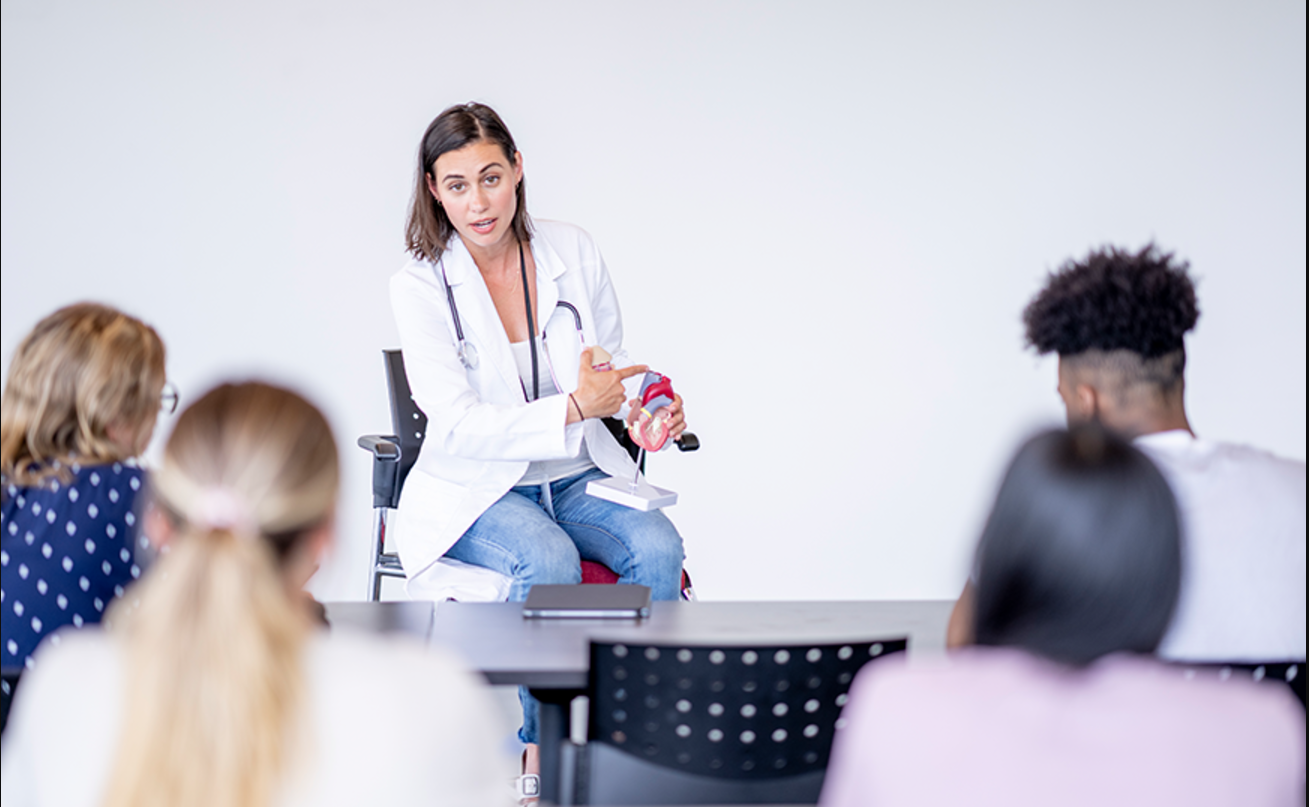
As you embark on your nursing career, specializing in inpatient rehabilitation care offers a deeply rewarding path to profoundly impact patients’ lives. This challenging yet fulfilling field requires a unique blend of clinical expertise, compassion, and dedication to long-term recovery. In this article, PAM Health helps you discover how to navigate your professional journey and acquire the knowledge necessary to excel in inpatient rehabilitation care, empowering you to become a vital part of patients’ transformative healing processes.
Exploring Academic Foundations and Degree Pathways
Choosing the right academic foundation is the essential first step toward building a successful career in specialized inpatient rehabilitation nursing.
Traditional BSN Programs
Aspiring inpatient rehabilitation nurses typically begin their journey with a Bachelor of Science in Nursing degree. These four-year programs offer a comprehensive foundation in nursing theory, clinical skills, and patient care.
During your undergraduate studies, you will gain hands-on experience through clinical rotations, which may include exposure to specialized rehabilitation settings. This broad-based education prepares you for a wide range of clinical careers, including specialization in complex recovery care.
Accelerated BSN Options
Accelerated nursing programs provide a faster route into the profession for those who already hold a bachelor’s degree in another academic discipline. These intensive tracks typically last 12 to 18 months and cover the identical core curriculum required for standard licensure.
While rigorous, these accelerated programs can quickly transition career changers into active hospital environments, allowing you to pursue rehabilitation specialization sooner. Many professionals find that leveraging prior educational achievements alongside new clinical competencies accelerates their professional trajectory.
Advanced Education for Specialization
After obtaining your nursing degree and gaining foundational bedside experience, you may further specialize in rehabilitative medicine. Consider pursuing a Master of Science in Nursing focusing on rehabilitation or enrolling in targeted professional certification programs. These advanced pathways deepen your understanding of restorative techniques, functional patient assessment, and case management specific to inpatient rehabilitation facilities.
Mastering Core Clinical Competencies and Teamwork
Inpatient rehabilitation nurses must master a diverse set of clinical competencies and multidisciplinary teamwork strategies to manage complex recovery journeys effectively.
Clinical Expertise in Specialized Settings
Inpatient rehabilitation nurses must possess a strong foundation in clinical skills to handle intricate patient requirements safely. They must be proficient in administering medications, managing intravenous lines, and monitoring vital signs consistently. Additionally, advanced wound care and pain management expertise are crucial, as many patients in rehabilitation hospitals are recovering from major surgeries or traumatic injuries.
Staying up-to-date with evidence-based practices in rehabilitative nursing is essential to providing optimal daily care. Clinical teams inside specialized inpatient rehabilitation facilities rely on accurate observations to track functional recovery milestones.
Patient Education and Motivation Strategies
As a rehabilitation nurse, you will play a vital role in educating patients and their families about recovery processes and self-care techniques. Your ability to explain complex medical information in an understandable manner is key to fostering long-term independence.
Moreover, you must act as a skilled motivator, encouraging patients to persevere through challenging therapy sessions and emotional setbacks. Developing positive rapport and maintaining an encouraging attitude can significantly impact a patient’s overall rehabilitation progress.
Interdisciplinary Collaboration and Team Dynamics
Rehabilitation care frequently involves a collaborative team of healthcare professionals, including physical, occupational, and speech therapists. Your ability to communicate effectively and collaborate with these specialists is crucial for cohesive patient management.
You must coordinate daily care plans, share patient progress updates, and work together to achieve established functional goals. Strong interpersonal skills and a team-oriented mindset are invaluable in this multidisciplinary hospital environment.
Pursuing Professional Certifications and Credentials
Professional development through structured credentials ensures that inpatient rehabilitation nurses stay at the forefront of clinical excellence.
As you advance in your career, specializing in inpatient rehabilitation care opens up exciting opportunities for growth and professional impact. To excel in this field, consider pursuing formal certification programs that validate your hard-earned expertise.
Specialized Certification Programs
Enhance your professional credentials by pursuing specialized certifications recognized across the healthcare industry. The Certified Rehabilitation Registered Nurse credential, offered by the Association of Rehabilitation Nurses, validates your specialized expertise in rehabilitative nursing. This certification demonstrates your commitment to providing high-quality care and can significantly boost your career prospects.
Continuous Professional Development
Stay current with advancements in rehabilitative medicine by attending workshops, seminars, and clinical conferences. Organizations like the American Nurses Association and specialty rehabilitation centers frequently offer continuing education units through structured online and in-person courses. These educational opportunities expand your clinical knowledge and provide valuable networking possibilities with peers and industry experts.
Navigating Licensure and Transitioning to Practice
Transitioning from a nursing student into a specialized rehabilitation professional requires careful attention to licensing and practical experience requirements.
Basic Nursing Licensure Requirements
You must first obtain your fundamental nursing license to specialize in inpatient rehabilitation care. This typically involves completing an accredited nursing program and successfully passing the National Council Licensure Examination for Registered Nurses. Once licensed, you can begin gaining direct bedside experience in dedicated rehabilitation settings.
Advanced Practice Leadership Roles
Becoming an advanced practice nurse specializing in rehabilitation care is an option for those seeking to expand their clinical responsibilities further. This requires completing a master’s or doctoral program in nursing with a dedicated focus on rehabilitation. Advanced practice nurses can take on specialized leadership roles, manage complex caseloads, and direct patient care protocols within inpatient rehabilitation hospitals.
Building a Fulfilling Career in Rehabilitative Medicine
Building a fulfilling career in rehabilitation nursing allows clinical professionals to witness remarkable transformations and regain patient independence.
Embarking on a career in rehabilitation nursing offers a unique opportunity to make a lasting, tangible impact on patients’ lives. You will develop a diverse clinical skill set as you specialize in this field, combining technical expertise with deeply compassionate care.
Rehabilitation nurses are crucial in helping patients regain functional independence and improve their overall quality of life after a debilitating illness or injury. For nurses seeking additional ways to empower their long-term professional trajectory, exploring effective ways to build professional competency provides valuable broader perspectives.
Frequently Asked Questions
What is the primary role of an inpatient rehabilitation nurse?
An inpatient rehabilitation nurse helps patients recover from severe injuries, surgeries, or illnesses by delivering specialized clinical care, managing medications, and motivating them through physical and cognitive therapies.
Do I need a special certification to work in rehabilitation nursing?
While a standard Registered Nurse license is required to begin working, obtaining the Certified Rehabilitation Registered Nurse credential is highly recommended to validate your advanced expertise.
How long does it take to become a registered nurse?
A traditional Bachelor of Science in Nursing takes four years to complete, while accelerated programs for degree holders typically last between 12 and 18 months.
What healthcare professionals do rehabilitation nurses collaborate with?
Rehabilitation nurses work closely with physical therapists, occupational therapists, speech-language pathologists, physicians, and medical social workers as part of an interdisciplinary team.
Can career switchers enter inpatient rehabilitation nursing?
Yes, individuals with a bachelor’s degree in another field can enter the profession through accelerated nursing tracks and subsequently transition into specialized rehabilitation facilities.
What continuing education is required to maintain credentials?
Nurses must periodically complete continuing education units and meet clinical practice hours specified by their state board of nursing and certification boards.
Disclaimer: The information provided in this article is for educational and informational purposes only. Details regarding nursing educational requirements, certification prerequisites, and clinical guidelines may change over time. Readers should verify all final licensure and professional standards directly with official nursing boards and accrediting organizations.


