

Diamond chains have always symbolized luxury, elegance, and timeless style. These pieces are more than just jewelry; they are valuable investments that carry significant emotional meaning for the wearer.
Whether purchasing a diamond chain for personal wear or as a thoughtful gift, understanding the wide variety of styles, metal compositions, and craftsmanship details available helps ensure an informed decision.
Popular Physical Link Designs of Diamond Necklaces
Examining the distinct physical link construction of a diamond necklace reveals how individual gemstones integrate into the precious metal framework.
1. Tennis Chain
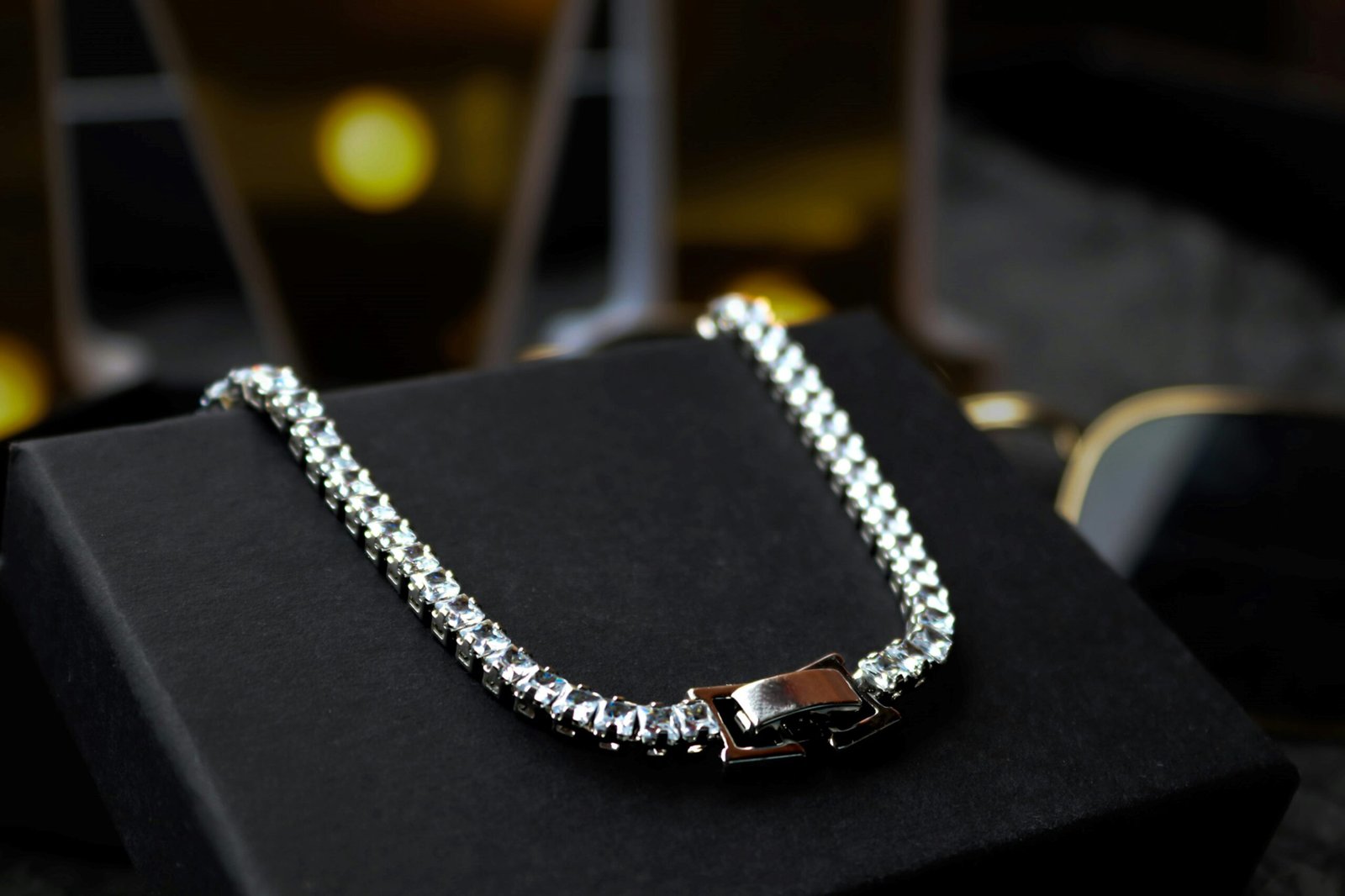
The tennis chain is a classic style cherished for its clean simplicity and continuous sparkle. This design features a single row of diamonds set closely together, creating an unbroken line of brilliance across the neckline.
Tennis chains are delicate, often worn as a standalone piece or layered with other necklaces for a modern look. Buyers can choose among traditional white diamond layouts or alternative styles like a black diamond tennis chain depending on personal taste.
2. Cuban Link Chain
The Cuban link chain is one of the most iconic and popular choices for those seeking a bold statement piece. It features thick, interlocking links that create a flat, rope-like appearance with exceptional sturdiness and durability.
When paved with micro-diamonds, Cuban link chains achieve a high level of luxury. They work well worn alone or paired with a heavy pendant, remaining a staple in contemporary fashion.
3. Rope Chain
Rope chains are characterized by their twisted metal pattern that mimics the appearance of woven strands. Known for their tensile strength, rope chains provide reliable durability for everyday wear.
When diamond-cut or accented with small stones, rope chains catch light from multiple angles, offering a brilliant texture.
4. Box Chain
The box chain is named after its square-shaped links that connect to form a smooth, geometric profile. Its sleek design appeals to individuals who prefer an understated, contemporary aesthetic.
Adorned with diamonds, box chains offer a refined elegance suitable for daily wear or pairing with small gemstone pendants.
5. Franco Chain
The franco chain is recognized for its V-shaped chevron links that weave together tightly to form a rigid yet flexible structure. This design allows the chain to rest flat against the skin with maximum comfort and strength.
6. Figaro Chain
The figaro chain features a repeating pattern of short circular links followed by one elongated oval link. This distinctive Italian pattern adds visual variety and is favored across both men’s and women’s jewelry lines.
7. Mariner Chain
The mariner chain, also known as the anchor chain, mimics the heavy chains used in maritime operations with oval links divided by a vertical central bar. Its sturdy build handles daily wear effortlessly while maintaining a polished appearance.
8. Snake Chain
The snake chain consists of tightly bound curved plates or rings that create a smooth, continuous tube resembling reptile skin. It offers a fluid, minimalist texture that drapes delicately over the collarbone.
9. Byzantine Chain
The byzantine chain stands out through a complex arrangement of barrel and ring links that form a textured, rope-like web. It delivers exceptional durability along with an ornate, regal appearance.
10. Ball Chain
The ball chain, or bead chain, connects small spherical metal balls at regular intervals to create a lightweight, industrial aesthetic. When paired with pavé diamond beads, it introduces a unique look to casual wardrobes.
Selecting Metal Purity and Diamond Sources for Diamond Chains
Selecting the correct metal foundation and diamond origin determines both the longevity and financial value of a diamond chain.
Buyers typically choose between various gold purities, platinum, and alternative diamond sources. Gold purity is measured in karats, with 14k and 18k offering the ideal balance of durability and precious metal content, while 10k gold provides maximum scratch resistance for active wearers. Platinum offers a heavier, hypoallergenic white metal option that develops a rich patina over time.
Additionally, modern consumers must choose between natural mined diamonds and lab-grown diamonds. Lab-grown diamonds share identical physical, optical, and chemical properties with natural stones, making larger carat weights or higher-clarity micro-stones much more accessible within standard jewelry budgets. When evaluating the overall value of diamond-encrusted jewelry, understanding how to check diamond prices like a pro helps buyers compare retail markups fairly.
Evaluating Stone Settings and Clasp Security in Diamond Jewelry
Quality craftsmanship ensures that stones remain secure within flexible links during everyday movement.
Prong settings, bezel settings, and pavé channel settings are the most common methods used to mount micro-diamonds into chains. Prong settings maximize light reflection, while channel and bezel settings offer greater physical protection for the stones. Inspecting the clasp mechanism is equally crucial for high-value necklaces. Secure chains should feature robust closures such as box clasps equipped with double figure-eight safety catches, or heavy-duty lobster clasps that prevent accidental loss during physical activity.
Matching Chain Lengths and Thicknesses to Your Neckline
Chain length and thickness dictate how a diamond chain rests against the body and interacts with different outfits.
Shorter lengths, such as 16 to 18 inches, sit close to the collarbone and highlight delicate tennis or box styles. Mid-length chains ranging from 20 to 22 inches rest comfortably on the upper chest, suiting most pendant designs. Thicker statement pieces like Cuban links often range from 22 to 26 inches for a prominent streetwear aesthetic. Reviewing standard sizing charts helps buyers select dimensions that match their neckline and body frame.
Frequently Asked Questions About Diamond Chains
How should I clean my diamond chain at home?
Soak your chain in warm water mixed with a few drops of mild dish soap, then gently scrub the links with a soft-bristled toothbrush to remove oils and dirt.
Are diamond chains durable enough for everyday wear?
Sturdier link styles like Cuban, rope, and franco chains handle daily wear well, provided the stone settings are inspected regularly by a professional jeweler.
What is the difference between natural and lab-grown diamond chains?
Lab-grown diamonds are created in controlled environments rather than mined from the earth, offering identical brilliance at a lower price point.
Should I insure a diamond chain?
Yes, high-value jewelry pieces should be insured against loss, theft, or damage through a specialized jewelry insurance policy or homeowner’s rider.
What clasp type is safest for heavy diamond chains?
Box clasps with dual figure-eight safety locks provide maximum security for heavy, expensive chains.
Can I sleep or swim while wearing a diamond chain?
It is recommended to remove diamond chains before sleeping or swimming to prevent tangling, clasp strain, and exposure to harsh chemicals like chlorine.
Disclaimer: Jewelry specifications, pricing factors, and market trends can fluctuate over time. Always verify metal purity hallmarks, diamond certification documents, and return policies with official jewelers before making a purchase.


