
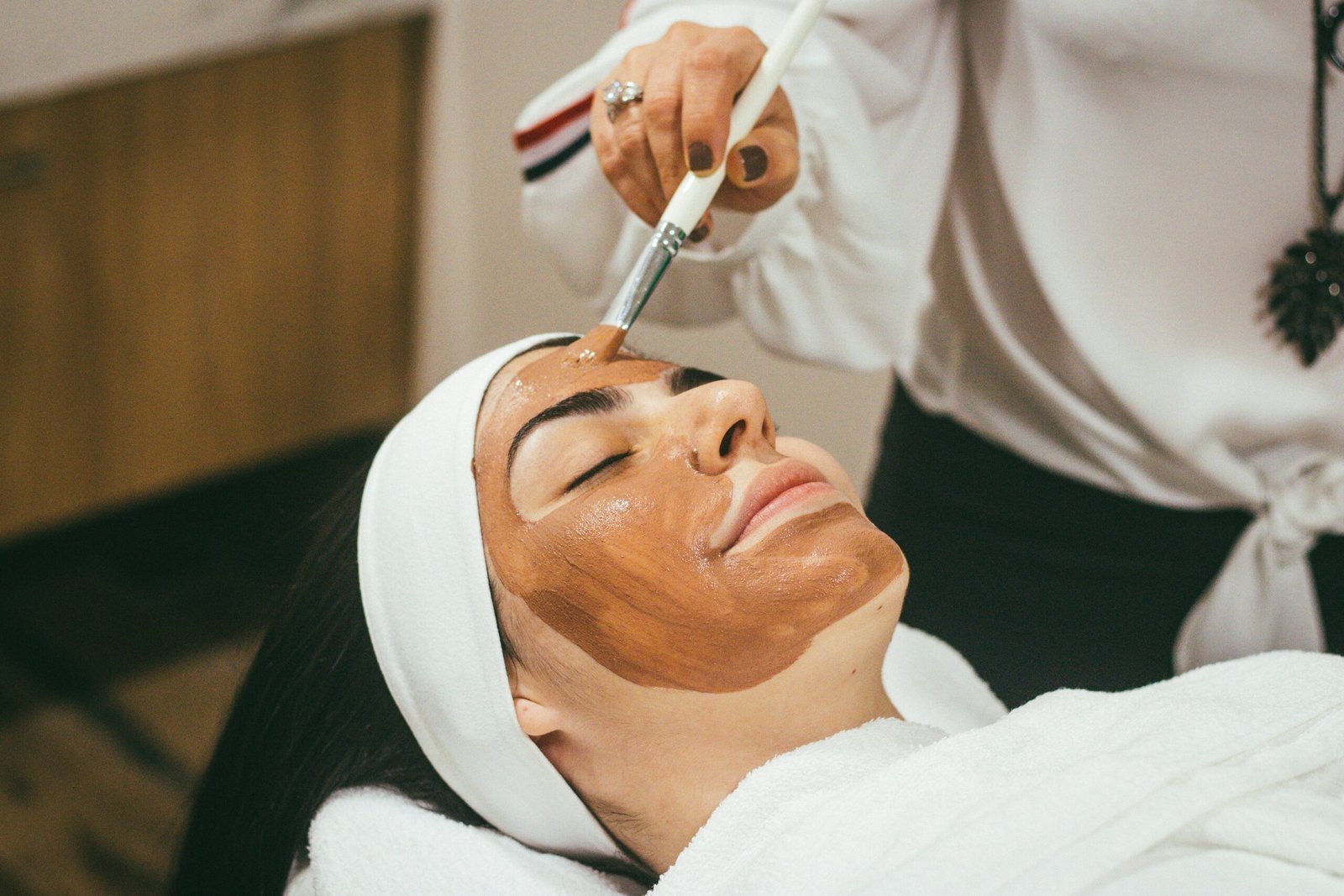
Photo by Rosa Rafael on Unsplash
Nowadays, taking time to care for yourself need not be considered a luxury or an indulgence, but a daily necessity. The same mindful approach applies directly to your daily skincare routine. The good thing is that certain foundational self-care habits can support skin health even if you have different skin types.
Skincare routines you shouldn’t ignore
Building a reliable daily skincare routine creates the essential baseline that allows advanced devices to work effectively.
If you care about your precious skin, it is important that you pay close attention to detail here. Do the steps in the following order when applying your skincare routine to achieve the best results.
- The first thing that you are going to do is to cleanse your complexion two times a day, in the morning and evening. Your routine in the morning should help you remove any evidence of sweat, oil, and debris from your slumber. On the other hand, the evening routine should never be skipped for several reasons. This removes the accumulated skincare products, SPF, and makeup applied throughout the day.
- The next step is to moisturize your skin using a nourishing product. The most recommended choice is an oil-free and fragrance-free moisturizer. Basically, this can be applicable to all skin types, particularly sensitive and acne-prone skin. You can use moisturizers containing the following beneficial ingredients:
- Ceramides are crucial to the overall health and strength of the skin barrier, especially for those with eczema or dry skin.
- Hyaluronic acid is another key ingredient that restores lost hydration and plumps the skin.
- Vitamin C also provides antioxidant protection and overall brightening of the skin.
- Lastly, you have to protect your skin with sunscreen, which provides a vital line of defense against UV damage and skin cancer. Choose SPF 30 or higher when protecting your skin during daylight hours. Daily application is considered the final step in your morning skincare routine. There are two primary options when choosing the type of sunscreen to apply, which include chemical and mineral-based formulas. For readers looking to expand their personal care knowledge, exploring luxurious skincare formulations can offer additional inspiration for daily maintenance.
How LED face masks work on your skin
The function of an LED face mask is to emit different wavelengths of light capable of penetrating the skin layers.
Note that the skin absorbs light energy into its cellular layers, and as the wavelength increases, so does its penetration depth into the skin tissue. As a result, specific light frequencies stimulate cellular activity and support collagen production, thereby helping diminish the appearance of fine lines and wrinkles.
At-home light therapy devices bring professional dermatological technology into a convenient personal format. Understanding the underlying science helps users set realistic goals for what home sessions can achieve over time.
Decoding the colors: red, blue, and amber light
Different colored light settings on LED face masks target distinct skincare concerns through varying light wavelengths.
Blue light is commonly utilized to target acne-causing bacteria on the skin surface, making it popular for breakouts. Red and near-infrared light wavelengths penetrate deeper to stimulate fibroblast cells, encouraging collagen synthesis and tissue repair. Amber or yellow light is often selected to help calm redness, soothe irritation, and support overall skin radiance.
Each color setting serves a distinct biological purpose, so understanding your primary skin goals allows you to select the appropriate wavelength during a session.
How to fit an LED mask into your daily skincare routine
An LED face mask works best when integrated into a clean, well-structured daily regimen.
Always perform your light therapy session on freshly cleansed skin before applying heavy serums, active acids, or moisturizers. Placing a physical mask over unwashed skin can trap impurities or interfere with light absorption. After the session concludes, seal in your skin hydration with a gentle moisturizer containing hyaluronic acid or ceramides.
Consistency matters far more than intense individual sessions. Establishing a regular weekly rhythm helps maximize the long-term benefits of light therapy.
Realistic expectations and safety guidelines
Using LED face masks requires adherence to recommended safety parameters and patience for gradual results.
If you are wondering how often you are going to use an LED face mask, pay close attention to device instructions. Most home devices recommend limiting use to about 3 to 4 times per week, with sessions lasting between 10 to 15 minutes each time. You must avoid overusing light therapy devices beyond manufacturer guidelines.
Furthermore, visible improvements require consistent, long-term use over several weeks rather than offering instant overnight transformations. Look for devices that feature safety certifications or FDA clearance to ensure eye safety and electrical reliability.
Who should avoid LED face masks?
Certain individuals should exercise caution or avoid using LED face masks without prior medical consultation.
If you take photosensitizing medications, such as certain antibiotics or retinoids, light therapy can trigger adverse skin reactions. People managing active skin conditions like severe eczema flare-ups, lupus, or melasma should also consult a dermatologist before starting light therapy. Additionally, built-in eye protection features or protective goggles are essential to safeguard ocular health during every session.
Frequently asked questions
Can I use an LED face mask every day?
Most manufacturers and dermatologists recommend limiting treatments to 3 or 4 times per week to give your skin adequate rest.
Should I apply skincare products before or after my LED mask session?
You should use an LED mask on clean, bare skin, and then apply your serums and moisturizers immediately afterward.
Do LED face masks really reduce wrinkles?
Red light therapy supports collagen production over time, which can gradually soften the appearance of fine lines with consistent use.
Can blue light damage my eyes?
Direct exposure to bright LEDs can strain or harm the eyes, which is why proper protective eyewear or built-in eye shields are necessary.
How long does it take to see results from an LED face mask?
Visible changes generally require consistent use over 4 to 8 weeks, as cellular renewal and collagen synthesis take time.
Are at-home LED masks as effective as clinic treatments?
At-home masks use lower light energy intensities than professional clinical devices, meaning they require more frequent sessions to achieve comparable cumulative benefits.
Disclaimer: This article is for informational purposes only and does not constitute medical advice. Skincare needs vary by individual, and readers should consult a qualified dermatologist or medical professional before starting new device treatments or addressing chronic skin concerns. Details regarding device specifications and safety standards may evolve, so always verify product guidelines from official manufacturer sources.

Daniel J. Morgan is the founder of Invidiata Magazine, a premier publication showcasing luxury living, arts, and culture. With a passion for excellence, Daniel has established the magazine as a beacon of sophistication and refinement, captivating discerning audiences worldwide.


