

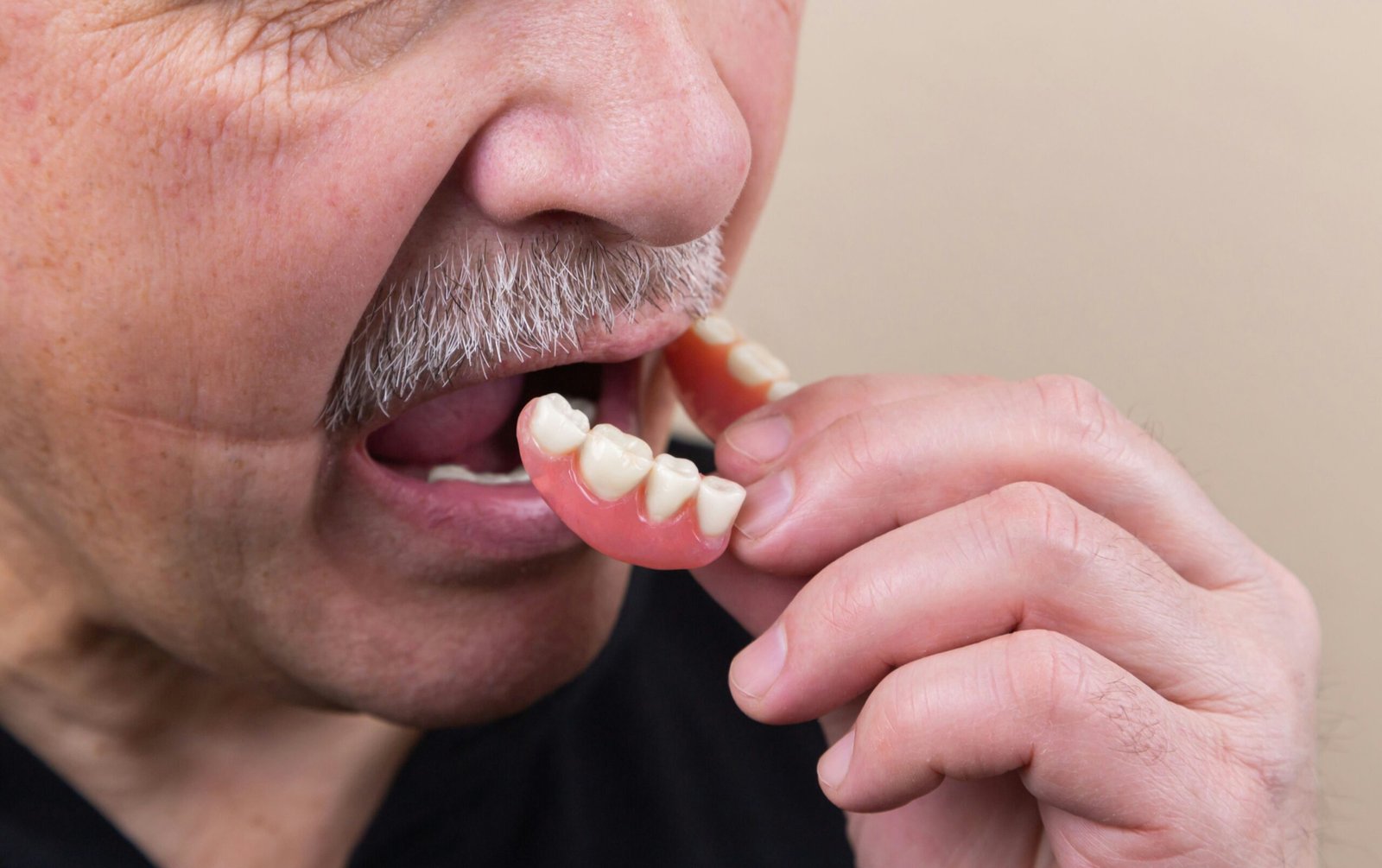
Dental crowns are a common and effective restorative solution used to protect weak teeth, restore broken structures, and improve overall dental health. Understanding the different types of dental crowns allows patients to collaborate more effectively with their dental care providers. Each material offers a unique balance of durability, aesthetic appeal, and cost. Exploring these material choices helps individuals make an informed decision that suits their long-term oral health requirements.
Why Dentists Recommend Protective Caps for Damaged Teeth
Choosing a dental crown depends heavily on the specific structural condition of the tooth and its exact location within the jaw.
Dentists evaluate several clinical indicators before recommending a specific restoration material. A severely decayed tooth or one that has fractured under heavy biting pressure often requires total structural coverage to prevent complete loss. Furthermore, dental crowns frequently complete the restoration process following a root canal procedure, sealing the vulnerable tooth against further bacterial invasion. When selecting a crown material, dental professionals always consider bite forces. Back molars endure intense chewing pressure and require high durability, whereas front teeth demand superior aesthetics to match neighboring natural enamel seamlessly without drawing unwanted attention.
Side-by-Side Material Matrix for Smile Restorations
Comparing dental crown materials side-by-side helps clarify which option fits specific clinical and financial goals.
| Crown Material | Primary Advantage | Main Drawback | Typical Placement Area |
|---|---|---|---|
| Metal | Exceptional strength and longevity | Noticeable metallic color | Back molars |
| Resin | Budget-friendly initial cost | Prone to wear and fractures | Temporary or short-term use |
| Ceramic | Lifelike aesthetics and stain resistance | Less durable than metal or zirconia | Front teeth or premolars |
| Zirconia | Extreme toughness with a natural appearance | Can be rigid and abrasive to opposing teeth | Back and front teeth |
| Porcelain-Fused-to-Metal | Combines metal strength with a tooth-colored surface | Shows a dark metal line near the gums over time | Any area of the mouth |
Metal, Resin, and Ceramic Materials Under the Microscope
Examining each individual crown option in detail reveals how specific material properties influence everyday dental performance.
Metal crowns, often crafted from gold alloys or base-metal alloys, provide unmatched durability and resist chipping or breaking under heavy biting pressure. Dentists typically recommend metal crowns for out-of-sight back molars because they require minimal removal of natural tooth structure during preparation. Resin crowns offer a lower-cost alternative that blends reasonably well with natural teeth when first installed, but resin material wears down quickly and carries a higher risk of fracture. Ceramic crowns deliver excellent aesthetic results and mimic the translucency of natural enamel, making them a popular choice for visible front teeth, though they are more brittle than metal. For those exploring comprehensive clinical solutions, looking into broader options like dental restoration procedures and endodontic care can provide deeper context on preserving compromised teeth.
The Role of Zirconia and Porcelain-Fused-to-Metal Options
Advanced dental ceramics and hybrid combinations offer distinct mechanical and visual benefits for complex restorations.
Zirconia crowns represent a major advancement in restorative dentistry by combining immense structural strength with a convincing, tooth-colored appearance that handles heavy biting forces remarkably well. For patients seeking a traditional compromise between strength and appearance, porcelain-fused-to-metal crowns offer a durable metallic core covered by a tooth-colored porcelain layer. While porcelain-fused-to-metal options provide versatile placement across the entire dental arch, they can occasionally reveal a thin dark line at the gumline if the surrounding gum tissue recedes over time.
What Happens From Tooth Preparation to Final Cementation
Receiving a dental crown typically requires two separate dental appointments unless your dentist utilizes advanced same-day chairside milling technology.
During the initial visit, the dentist administers local anesthesia and reshapes the affected tooth by filing down its outer enamel to accommodate the cap. Next, the dental team captures a precise physical impression or a digital scan of the prepared tooth structure. This impression or digital file goes to a dental laboratory where technicians fabricate the permanent crown. Meanwhile, the dentist places a temporary crown over the tooth to protect it from sensitivity and damage. During the second visit, the dentist removes the temporary crown, checks the fit and color of the permanent crown, and permanently cements it into place using a strong dental adhesive.
Frequently Asked Questions
How long do dental crowns usually last?
Dental crowns typically last between 5 and 15 years, depending on the material used, daily oral hygiene habits, and whether the patient grinds their teeth.
Are dental crown procedures painful?
The tooth preparation process is performed under local anesthesia, ensuring that patients feel little to no pain during the procedure.
Can a dental crown get cavities?
While the crown material itself cannot decay, the natural tooth structure remaining underneath at the gumline remains vulnerable to plaque buildup and cavities.
How should I care for my dental crown?
Dental crowns require the same diligent care as natural teeth, including twice-daily brushing, daily flossing, and regular professional dental checkups.
What happens if a dental crown breaks or falls off?
If a crown becomes loose or fractures, you should contact your dentist immediately to have the restoration evaluated, repaired, or replaced before further damage occurs.
Why do dentists recommend root canals before some crowns?
If tooth decay or trauma has reached the inner pulp chamber, a root canal eliminates infection and pain before the dentist seals and crowns the remaining structure.
Disclaimer: This article is for informational purposes only and does not substitute for professional dental advice, diagnosis, or treatment. Dental materials, procedures, and personal suitability can vary greatly. Always consult a qualified dental professional to determine the best treatment plan for your specific oral health needs.


