

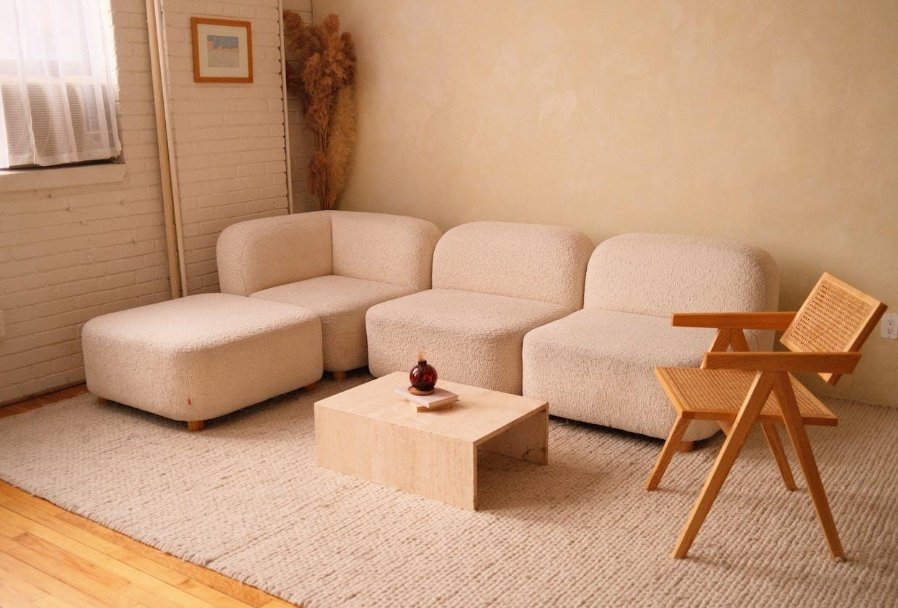
Are you feeling weighed down by the constant accumulation of belongings and the endless digital noise of modern life? Many people are turning to intentional living as a practical way to reduce daily stress and focus energy on what truly matters. Minimalism is never about living in an empty room or depriving yourself of joy; rather, it is about clearing away the unnecessary so your core values can take center stage.
Taking up this journey requires a shift in how you view material objects, time, and attention. Whether you want to reclaim your weekends from endless tidying or quiet a restless mind, simplifying your surroundings creates a solid foundation for personal clarity and lasting peace.
Decoding Why Consumer Culture Creates Everyday Overwhelm
Consumer culture constantly whispers that personal happiness lives just one more purchase away, leaving many households drowning in excess inventory.
Modern marketing engines are expertly tuned to convince buyers that accumulating more goods equals a better quality of life. Yet, every physical item brought across the threshold requires cleaning, organizing, insuring, and eventually discarding. Minimalist philosophy challenges that narrative directly by proving that contentment often comes from owning less rather than more. When you stop managing excessive possessions, you free up mental bandwidth, financial resources, and emotional energy for meaningful experiences, creative projects, and deeper connections with friends and family.
Executing Room-by-Room Physical Decluttering Without Burnout
Room-by-room physical decluttering provides a structured, manageable way to clear out excess belongings without feeling overwhelmed by your entire house.
Trying to tackle an entire home in a single weekend usually leads straight to frustration and abandoned goals. Instead, break your living space down into micro-projects, such as one single kitchen drawer, a specific bookshelf, or a single closet corner. As you sort through items, apply proven decision-making frameworks like asking whether you have used the object within the past six months. For sentimental belongings that are difficult to evaluate immediately, set them aside in a temporary box to test how it feels to live without them. When you manage your physical living space intentionally, routines like maintaining your home to elevate everyday comfort become vastly simpler and require far less weekend labor.
Taming Smartphone Notifications and Overflowing Inboxes
Taming smartphone notifications and overflowing inboxes protects your attention span from the constant demands of digital distraction.
Physical clutter is only half the battle in modern existence, because digital noise can drain your focus just as severely as a messy room. Start your digital reset by deleting smartphone applications you have not opened in months, unsubscribing from newsletters you never read, and turning off non-essential push notifications. Organizing your computer files and digital photo libraries into tidy folders creates an online environment that feels just as calm and structured as a clean physical desk.
Implementing the Forty-Eight-Hour Rule for New Purchases
Implementing the forty-eight-hour rule for new purchases stops impulse buying and prevents fresh clutter from creeping back into your living space.
Clearing out your home is only a temporary fix if your shopping habits remain unchanged and you continue bringing unneeded goods through the door. Before buying any non-essential item online or in a store, enforce a mandatory cooling-off period where you wait two full days to ensure the desire is genuine rather than a fleeting impulse. Focus your purchasing power on durable, high-quality items that serve a clear function, replacing the habit of buying many cheap items with investing in a few well-made pieces that stand the test of time.
Auditing Your Personal Calendar to Protect Free Time
Auditing your personal calendar to protect free time ensures your daily schedule actually aligns with your deepest personal priorities.
Just as physical objects crowd your living room, overcommitment can drain your spirit and leave no room for rest or genuine self-care. Review your weekly calendar honestly and identify social engagements, volunteer roles, or extra projects that bring zero fulfillment or drain your energy. Learning to say no to non-essential obligations is an essential skill for anyone pursuing a balanced, intentional life, because your time is your most finite resource.
What is the main goal of a minimalist lifestyle?
The main goal is to remove physical and mental clutter so you can focus your time, energy, and resources on what brings true value and fulfillment to your life.
Do I have to live in an empty-looking home to be a minimalist?
No, minimalism looks different for everyone. Your home should reflect your personal needs and tastes, not a sterile showroom.
How do I deal with sentimental items when decluttering?
Take your time with sentimental items. Keep a few pieces that hold the deepest meaning, and consider taking photographs of others if letting go feels too difficult at first.
Is digital decluttering really a part of minimalism?
Yes, reducing screen time, clearing unused apps, and managing digital notifications are crucial steps for reducing modern mental fatigue.
How do I stop buying things I do not need?
Practicing a cooling-off period before purchases and asking yourself if an item adds genuine value helps curb impulse buying.
Can families with children practice minimalism?
Families can certainly practice minimalism by focusing on rotating toys, simplifying wardrobes, and prioritizing shared experiences over acquiring more possessions.
Disclaimer: The guidance provided in this article reflects general principles of mindful living and personal organization. Because individual preferences and living situations vary widely, readers should adapt these suggestions to fit their unique routines and consult appropriate professionals when making major lifestyle changes.

Passionate content writer and savvy blog publisher, Aamir crafts compelling stories and insightful articles that captivate and inform. With a knack for blending creativity and strategy, they bring fresh perspectives to every piece. Dive into their world of words and discover content that resonates.


