

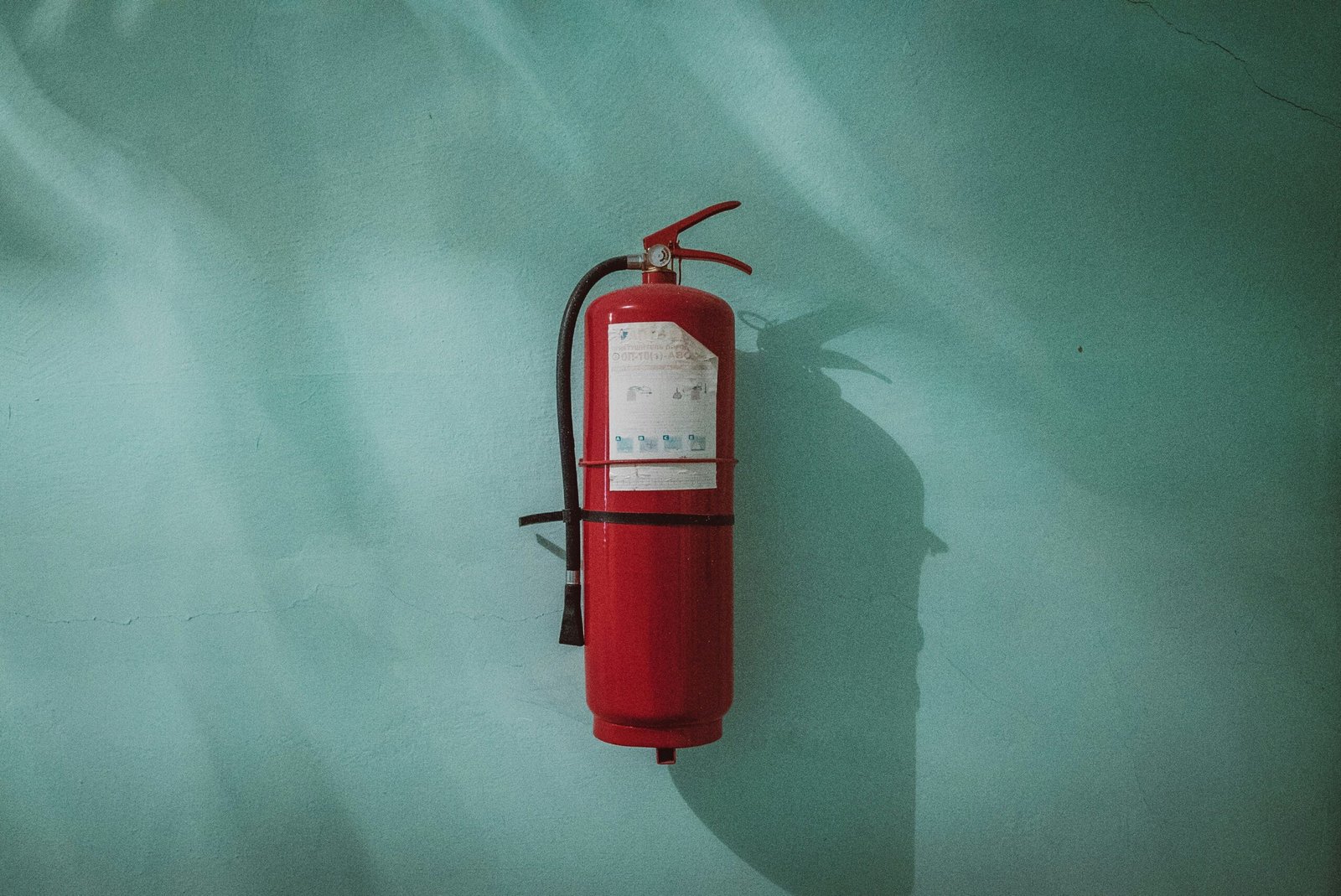
Photo by Piotr Chrobot on Unsplash
Protecting residential properties from fire hazards requires much more than traditional smoke detectors and manual fire extinguishers. Modern homeowners utilize automated technologies that actively detect, contain, and suppress fires before severe damage occurs. Advanced safety solutions for the modern home integrate cutting-edge materials and IoT connectivity to safeguard valuable living spaces against unexpected thermal incidents.
The Shift Toward Automated Residential Defense
Residential fire safety has evolved from basic reactive measures into fully automated prevention and suppression networks.
Earlier housing designs relied almost entirely on basic smoke alarms to alert occupants, leaving the physical firefighting process entirely to local emergency responders. Today, residential properties feature complex ecosystems of smart optical sensors, thermal detectors, and localized suppression agents. This shift minimizes property destruction and protects family members by stopping fires at the absolute earliest possible stage of combustion.
Modern building owners recognize that passive detection alone is insufficient when dealing with high-speed electrical or lithium-ion battery fires. Integrating active containment protocols ensures that minor sparks cannot escalate into catastrophic structural failures before assistance arrives. Furthermore, localized monitoring equipment records baseline environmental conditions to distinguish between actual threats and everyday cooking steam.
Mechanisms Behind Clean-Agent and Aerosol Suppressants
Modern fire suppressants operate by chemically disrupting the combustion cycle rather than relying solely on high water volume.
Traditional water sprinkler systems often cause extensive collateral damage to sensitive electronics, drywall, and structural framing elements. In contrast, advanced fire suppressant materials target the thermal or chemical chain reactions of a fire directly. Clean-agent gases and specialized aerosol mists extinguish flames swiftly, leaving virtually no residue behind on delicate surfaces.
Gas systems absorb thermal energy or interrupt the free radicals that sustain burning, causing the fire to starve rapidly. Aerosol formulations disperse microscopic solid particles and inert gases that inhibit flame propagation in enclosed volumes. Because these suppressants operate in gaseous or suspended states, they penetrate awkward corners and dense equipment racks far more effectively than directional liquid streams.
Tailoring Suppression Media to Specific Household Zones
Selecting the proper suppressant type depends entirely on the specific room zoning and the sensitivity of the equipment inside.
Gas-based clean agents are ideal for media rooms, home offices, and dedicated server closets because they protect high-value electronics without water or particulate residue. Aerosol mist systems suit general utility areas, home workshops, and garage zones where rapid cooling and dense flame knockdown are necessary. Homeowners frequently combine these options across different architectural zones for comprehensive residential coverage.
Understanding the spatial volume of each room dictates whether a total-flooding gas system or a localized aerosol generator is appropriate. For instance, tightly sealed home theater enclosures benefit from clean gaseous agents that fill the entire space evenly. Open-plan basements or utility rooms with higher ventilation rates often require localized aerosol units designed to blanket specific hazard focal points.
Coordinating Smart Hubs with Home Power and Gas Valves
Smart home automation links fire suppression triggers directly to local utility shut-offs and mobile notification networks.
When a thermal sensor or optical detector identifies an anomaly, the smart home hub instantly cuts electrical power to the affected zone, shuts off gas supply valves, and sends real-time push alerts to mobile devices. This level of automation prevents electrical feeds from worsening a fire and ensures emergency personnel receive immediate notice.
Advanced residential hubs also interface with HVAC controls to shut down ventilation blowers automatically. Stopping airflow prevents smoke and toxic gases from spreading into sleeping quarters while keeping suppression agents concentrated in the hazard zone. This coordinated response transforms disparate safety devices into a cohesive, intelligent defense grid.
Ensuring Long-Term Reliability Through Professional Oversight
Proper installation and adherence to strict safety standards are vital for maintaining long-term system reliability.
Certified professionals must install residential suppression networks to comply with recognized building codes and NFPA guidelines. Regular testing of pressure gauges, sensor calibration, and battery backups ensures the equipment functions properly when an emergency arises.
Homeowners looking to upgrade multiple aspects of their property often review structural changes alongside professional home appliance setup guides to ensure all heavy utilities and safety cut-offs are configured correctly. Routine maintenance schedules should also account for environmental factors like ambient humidity and dust accumulation around optical lenses.
Common Inquiries Regarding Residential Suppression Systems
Are modern fire suppressants safe for pets and family members?
Yes, residential-grade clean agents and aerosol suppressants are engineered to meet strict toxicity standards for occupied spaces when discharged within certified concentration limits.
Do smart fire suppression systems require a continuous internet connection?
No, local hardware controls operate independently of cloud networks to ensure the system activates even during an internet outage.
How often do residential fire suppression systems need professional servicing?
Most manufacturers and safety codes recommend an annual inspection by qualified technicians to verify pressure levels and sensor integrity.
Will a clean-agent gas system ruin home electronics?
No, clean agents vaporize completely upon discharge, leaving no oily residue or moisture that could short-circuit computers or entertainment systems.
Can existing homes be retrofitted with advanced fire suppressants?
Yes, standalone aerosol units and wireless-linked suppression modules allow contractors to retrofit older residential buildings without major structural overhauls.
What happens to the HVAC system during a fire suppression event?
Smart automation hubs automatically shut down ventilation dampers and HVAC blowers to contain the fire gases and prevent smoke distribution throughout the home.
Disclaimer: Fire safety technologies, building codes, and product specifications change over time. Homeowners should always verify final installation requirements and compliance standards with certified local professionals and official regulatory authorities before purchasing or installing equipment.


