

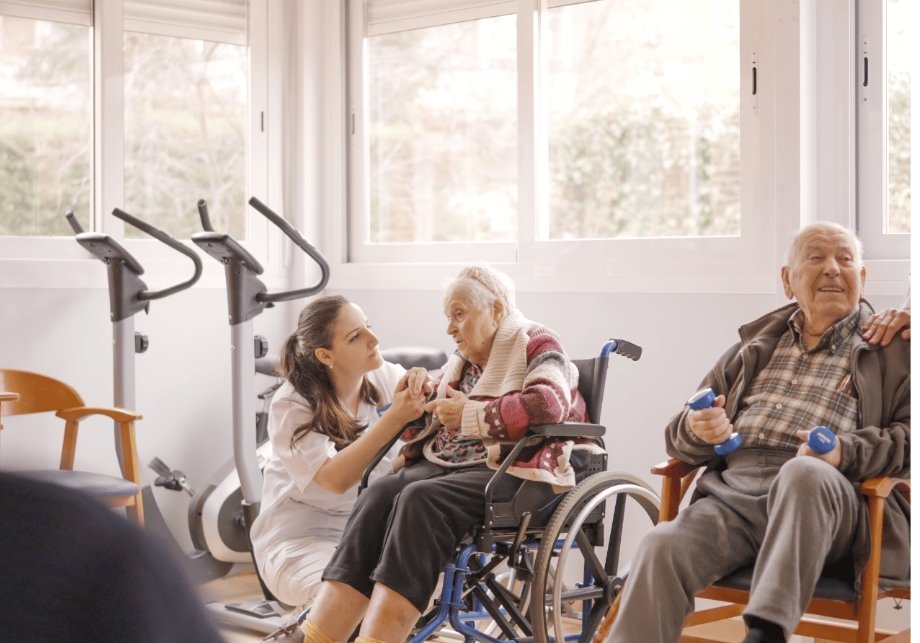
As the global population ages, families continually look for healthcare solutions that keep older adults safe, comfortable, and independent in their own homes. Combining aged care services with at-home physiotherapy provides a practical approach to elder care, ensuring that seniors receive professional clinical attention without the stress of frequent clinic visits. This integrated strategy addresses daily living needs while actively preserving physical strength, balance, and long-term mobility.
Why Combining Aged Care and Home Physiotherapy Matters
Integrating professional daily support with in-home physical therapy creates a stable foundation that allows seniors to age safely in familiar surroundings.
Many older adults face a combination of declining physical stamina and routine household challenges that make independent living difficult over time. When personal care assistance works hand-in-hand with mobile rehabilitation, seniors receive comprehensive support that covers everything from meal preparation to structured physical exercise. This coordinated model reduces the risk of sudden hospital admissions and helps individuals maintain dignity and personal autonomy.
Families also benefit from this approach because professional guidance alleviates the physical and emotional strain often placed on informal caregivers.
Core Benefits of Physiotherapy for Older Adults
Targeted physical therapy routines directly improve everyday functional movement, reduce chronic pain, and minimize the risk of dangerous falls.
As individuals age, conditions such as arthritis, osteoporosis, and general muscle weakness can severely restrict movement and diminish confidence. Licensed physiotherapists address these issues through gentle strengthening exercises, gait training, and personalized balance drills conducted right inside the senior’s living space. Furthermore, post-surgical rehabilitation following hip or knee replacements becomes much more manageable when therapists design recovery plans tailored to the patient’s actual home environment.
Consistent physical intervention keeps joints flexible, enhances cardiovascular stamina, and empowers seniors to move around their homes with greater assurance.
What to Expect During an At-Home Physiotherapy Session
Professional home therapy begins with a comprehensive physical assessment and progresses into structured, personalized exercise routines.
During the initial consultation, the physiotherapist evaluates the senior’s medical history, current mobility level, and specific home hazards. Subsequent visits involve practical exercises utilizing everyday household elements, such as sturdy chairs for sit-to-stand drills or hallway rails for balance practice. Therapists bring specialized portable tools like resistance bands and balance pads to ensure safe progression without requiring cumbersome gym equipment.
For those exploring broader care arrangements, reading up on choosing independent home care for your loved ones offers helpful insights into coordinating various support services.
| Care Type | Primary Focus | Best Suited For |
|---|---|---|
| At-Home Physiotherapy | Targeted mobility, pain relief, and post-surgery rehabilitation | Seniors recovering from injuries, surgeries, or managing chronic conditions |
| General Aged Care Services | Daily living assistance, personal care, and social companionship | Older adults needing help with daily tasks to maintain independence at home |
| Integrated Home Care Packages | Combining clinical therapy with personal support and home modifications | Seniors with complex or progressive care needs requiring coordinated support |
How Families Can Access and Fund Home Care Services
Navigating doctor referrals, private agency options, and government-subsidized care packages ensures sustainable financial planning for long-term elder support.
Securing appropriate funding often begins with a thorough medical evaluation from a general practitioner who can recommend specialized allied health providers. Many regional healthcare systems provide consumer-directed care packages that allocate specific funds toward home-based nursing and physiotherapy services. Families should review private insurance policies, compare upfront provider fees, and verify whether formal referrals are mandatory for insurance reimbursement claims.
Proactive administrative planning prevents unexpected out-of-pocket costs and guarantees uninterrupted access to essential clinical care.
Preparing Your Home for Safe and Effective Therapy
Modifying domestic layouts and clearing physical obstacles protects seniors from avoidable accidents while maximizing their therapy outcomes.
Before home visits commence, family members and therapists should inspect living spaces for common fall hazards like loose throw rugs, cluttered hallways, and dim lighting. Installing sturdy grab bars in bathrooms and stairwells provides vital support for individuals using walkers or canes. Creating wide, unobstructed walking paths allows seniors to transition smoothly between rooms during their daily routines.
Taking these practical safety steps fosters a secure, reassuring environment that encourages active participation in recovery exercises.
Frequently Asked Questions
How often should at-home physiotherapy sessions take place?
Session frequency depends on the individual’s clinical assessment and recovery goals, usually ranging between one and three visits per week.
Can government-subsidized packages cover home physiotherapy?
Many government-supported aged care programs and approved home care packages contribute toward allied health services based on assessed care needs.
Do I need a doctor’s referral to book a home physiotherapist?
A doctor’s referral is not always mandatory for private care, but it is frequently required for insurance claims or specific government healthcare subsidies.
What equipment does a physiotherapist bring to the home?
Physiotherapists bring portable treatment items like resistance bands and balance pads, while incorporating sturdy household furniture into the exercises.
How do family members participate in home therapy sessions?
Caregivers are encouraged to observe appointments, learn safe transfer methods, and help seniors maintain their exercise routines between professional visits.
Are home physiotherapy sessions covered by standard health insurance?
Private health insurance policies vary widely, so policyholders must contact their insurance provider directly to verify coverage details for mobile allied health visits.
Disclaimer: The information provided in this guide is for educational purposes only. Healthcare regulations, funding programs, and service availability can vary significantly by region. Readers should verify final eligibility and service details directly with official healthcare providers or government agencies.

Passionate content writer and savvy blog publisher, Aamir crafts compelling stories and insightful articles that captivate and inform. With a knack for blending creativity and strategy, they bring fresh perspectives to every piece. Dive into their world of words and discover content that resonates.


