

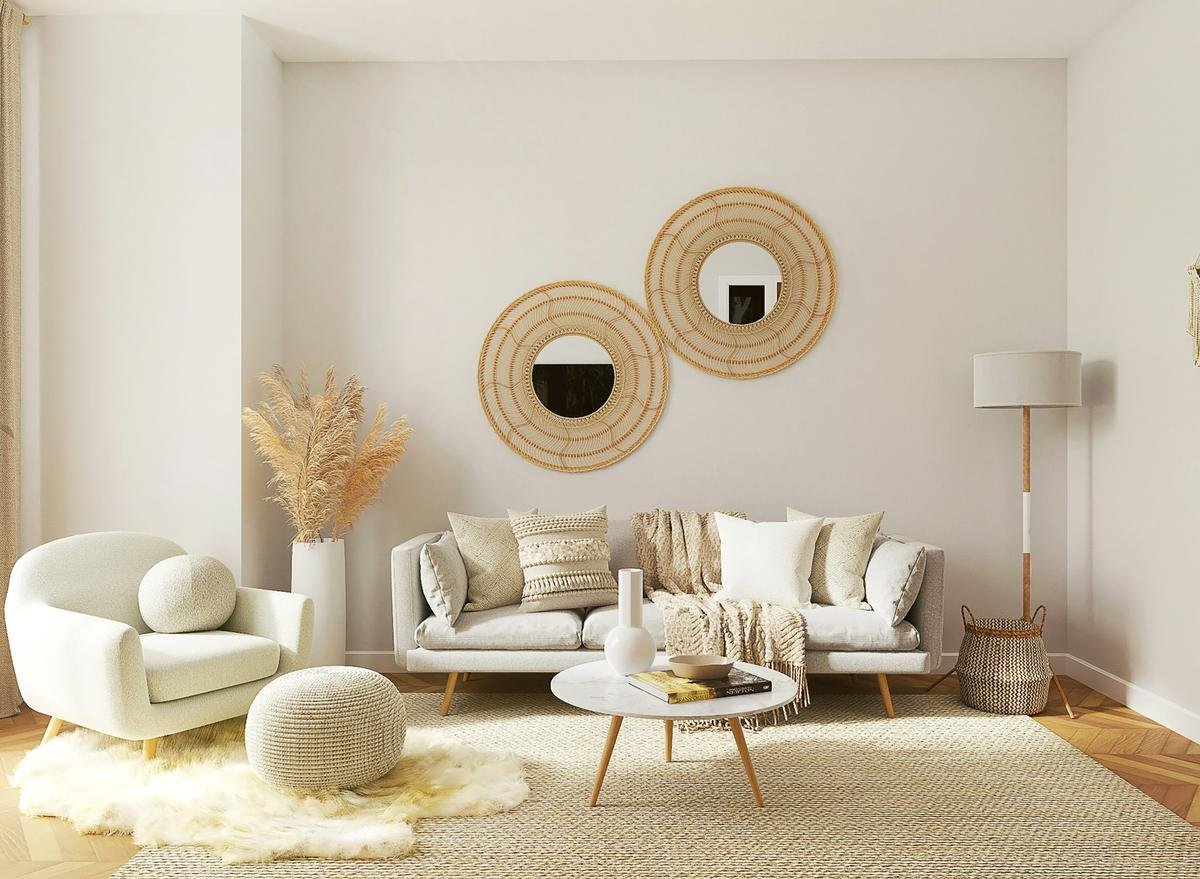
Designing a child-friendly home requires a thoughtful balance between style, safety, and everyday practicality. Choosing resilient surfaces is crucial, and sourcing durable materials helps keep rooms looking great despite heavy daily wear and tear. From soft play spaces to scratch-resistant floors in high-traffic hallways, smart design choices make a big difference for growing families. In this guide, we explore the best methods for creating a home decor scheme that remains both beautiful and safe for children.
Designing a Child-Friendly Home That Actually Lasts
Creating a living space that withstands the daily energy of kids starts with a mindset focused on longevity and realistic maintenance. Instead of aiming for a pristine, museum-like environment, homeowners can adopt materials and layouts that handle messes gracefully. When every room accommodates daily family life without constant worry, parents and children alike enjoy a more relaxed atmosphere.
Smart Material Choices for Floors That Handle Real Life
Flooring selections dictate how well a house manages spills, dropped toys, and high foot traffic from active little ones. Traditional high-maintenance rugs often trap stains, whereas luxury vinyl planks and stain-resistant carpet tiles offer durability without sacrificing visual appeal. Luxury vinyl stands up to moisture and heavy use, while carpet tiles allow parents to replace a single stained square rather than an entire room’s flooring. These choices give modern households the practicality they need without requiring commercial contractor services.
Child-Safe Furniture Without Sacrificing Your Style
Selecting furniture for a family home means balancing aesthetic preferences with physical safety and easy cleaning habits. Homeowners should look for pieces featuring rounded corners and smooth edges to minimize the impact of accidental bumps or tumbles. Low-profile, sturdy designs prevent heavy items from tipping over easily, and anchoring tall bookcases to the wall is an essential safety step. Furthermore, upgrading to performance fabrics or washable slipcovers protects sofas and armchairs from everyday stains.
Hidden Hazards to Check Around the House
Securing a home involves identifying less obvious dangers that could threaten small children during unsupervised moments. Window blind cords should be replaced with cordless alternatives or fitted with safety cleats to eliminate strangulation risks. Electrical outlets need secure protective covers, and heavy electronics should be mounted firmly or kept on low, stable media consoles. Taking time to address these environmental hazards creates a genuinely secure indoor refuge.
Kid-Friendly Color Palettes That Grow with Your Family
Color choices set the emotional tone of living spaces while accommodating changing tastes as children grow older. Starting with a calm, neutral base color allows parents to introduce vibrant accent hues through easily changeable throw pillows, rugs, and wall art. When painting walls, selecting non-toxic, low-VOC paint formulas protects indoor air quality and safeguards the health of young family members. This flexible approach ensures the interior palette evolves naturally over time.
Multi-Functional Rooms and Low-Level Storage That Encourage Independence
Organizing rooms to serve multiple activities helps families maximize their living space while teaching children valuable habits of responsibility. Incorporating low-level toy bins and accessible shelving empowers toddlers to reach their belongings and clean up independently. For additional insights on maintaining functional living spaces over the years, consider reading our guide on timeless residential management practices. Designated play zones and flexible study areas keep clutter contained and daily routines running smoothly.
Final Verdict on Curating a Safe and Welcoming Family Haven
Balancing safety, durability, and aesthetic charm makes it possible to create a wonderful family home where everyone feels welcome. By focusing on smart material choices, secure furniture, and organized storage, parents build environments that nurture childhood growth. Your home ultimately transforms into a comfortable haven that reflects your personal style while supporting your family’s everyday needs.
What are the best flooring options for a child-friendly home?
Luxury vinyl plank and stain-resistant carpet tiles are top choices because they resist moisture, handle heavy foot traffic, and are easy to clean or replace.
How can I make my existing furniture safer for toddlers?
You can apply soft corner guards to sharp edges, anchor tall bookshelves securely to the walls, and use heavy, low-profile furniture that resists tipping.
Are low-VOC paints really necessary for kids’ rooms?
Yes, low-VOC and non-toxic paints significantly reduce harmful chemical emissions in the air, protecting children’s developing respiratory systems.
What fabrics work best on sofas with young children?
Performance fabrics, Crypton textiles, leather, and washable slipcovers offer superior stain resistance and make cleaning up accidental spills much easier.
How do I encourage my child to clean up their toys?
Using low, accessible storage bins and open shelving lets toddlers reach their toys easily and puts them in charge of tidying up their own play areas.
How can I protect children from window blind cords?
Replace traditional corded blinds with cordless window treatments or install high cord cleats to keep dangling loops safely out of reach.
Can a room serve as both a playroom and a study area?
Yes, by using area rugs and low dividers to create distinct zones, a single room can easily accommodate both playful activities and quiet homework sessions.
Disclaimer: Interior design trends, safety standards, and material specifications can change. Readers should verify product safety information and installation guidelines with official manufacturers before making permanent home improvements.


[…] are also interested in exploring family lifestyle topics back home, you might enjoy our guide on best tips for child-friendly home decor to create comfortable living […]