

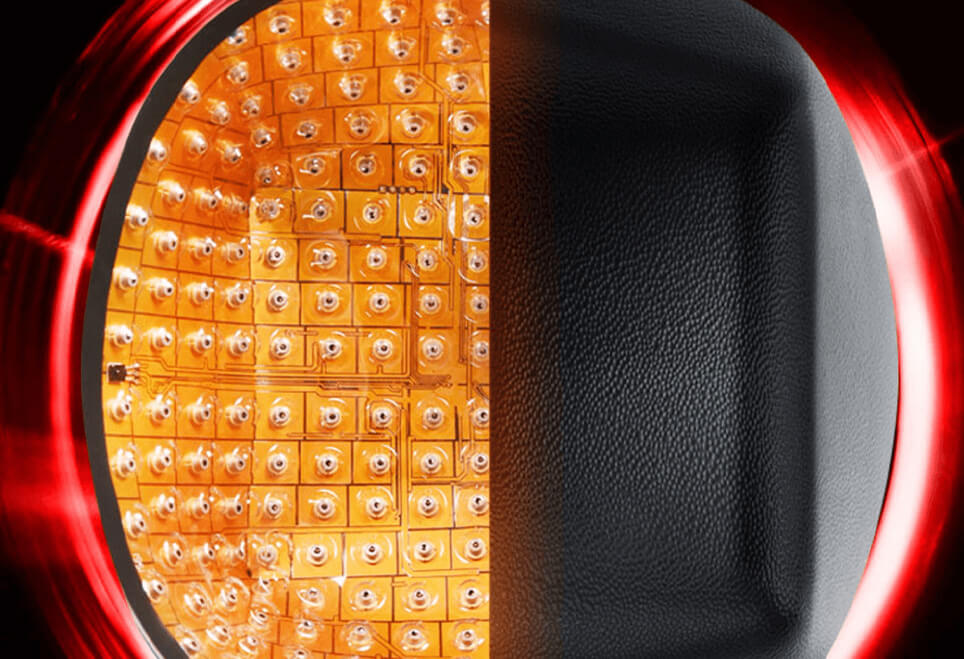
Hair thinning and progressive loss affect millions of individuals globally, prompting a continuous search for reliable home-use restoration therapies. Among the various modern devices available, low-level laser therapy caps have drawn significant attention for their promise of non-invasive follicular stimulation. Because these wearable technologies carry substantial retail price tags, potential buyers frequently question whether the financial commitment translates into genuine, visible results. Evaluating these systems requires a balanced look at their underlying biological science, published clinical findings, real-world maintenance factors, and long-term financial comparisons against alternative medical treatments.
How Low-Level Laser Therapy (LLLT) Operates on the Scalp
Low-level laser therapy utilizes precise red-light wavelengths to stimulate cellular activity and encourage dormant hair follicles to re-enter the active growth phase.
Laser caps generally operate within a specific therapeutic light spectrum, typically ranging between 630 and 670 nanometers (nm). When these red wavelengths reach the scalp, the targeted photons penetrate the dermal layers and are absorbed by cellular structures within the hair roots. This energy absorption helps enhance local microcirculation, ensuring that oxygen and essential metabolic nutrients are delivered more efficiently to weakened follicular units.
At a deeper cellular level, the biological mechanism relies on photobiomodulation, where light energy interacts directly with cytochrome C oxidase, a key enzyme housed inside cellular mitochondria. This targeted stimulation accelerates cellular metabolism and boosts adenosine triphosphate (ATP) synthesis within the follicle cells. With elevated energy reserves, individual hair roots can extend their anagen growth phase, resulting in thicker strand production and a noticeable reduction in daily hair shedding.
Reviewing Published Clinical Trials and Safety Standards
Independent scientific investigations and controlled clinical trials provide documented evidence regarding the efficacy of low-level laser therapy for pattern hair loss.
Early clinical trials involving low-level laser devices, such as specialized laser combs, demonstrated statistically significant increases in hair density among study participants when compared against control groups receiving inactive placebo treatments. Subsequent systematic reviews and meta-analyses encompassing multiple randomized trials have consistently reinforced these findings, indicating that consistent therapeutic light exposure can support hair thickening for individuals experiencing androgenetic alopecia.
Furthermore, many consumer-grade laser caps hold official clearance from regulatory authorities like the Food and Drug Administration (FDA) for treating pattern hair loss in both men and women. This clearance confirms that the hardware meets established manufacturing safety benchmarks and does not emit harmful ultraviolet radiation, offering reassurance to individuals incorporating light therapy into their home routines.
Evaluating Daily Practicality, Ergonomics, and Maintenance
Assessing the everyday usability of a laser cap reveals how well these wellness devices fit into a busy personal schedule.
Unlike surgical procedures or topical chemical preparations, home laser caps require no messy liquids or post-treatment recovery downtime. Most manufacturers design their hardware for sessions lasting between 20 and 30 minutes, prescribed roughly three times per week. Because the caps are lightweight and often powered by rechargeable battery packs, users can comfortably wear them while reading, working on a computer, or relaxing at home. For individuals seeking immediate cosmetic enhancement while waiting for physiological changes, styling solutions like natural ways to add volume to your hair without breaking the bank offer helpful interim coverage.
Month-by-Month Expectations for Follicular Regeneration
Understanding the biological timeline of hair growth helps users maintain realistic expectations throughout their laser therapy journey.
| Treatment Window | Observed Physiological Response |
|---|---|
| Months 1 to 3 | Initial adaptation phase; a minor shedding phase can occur as weak resting hairs are pushed out to make way for robust new strands. |
| Months 3 to 6 | Visible improvements in hair texture, decreased daily fallout, and early signs of structural thickening in thinning zones. |
| Months 6 to 12 | Continued shaft strengthening, increased scalp coverage, and noticeably denser overall hair distribution. |
Financial Analysis: Upfront Hardware Investment Versus Ongoing Treatments
Comparing the retail cost of a laser cap against alternative hair restoration methods highlights the long-term financial trade-offs involved.
Quality laser caps generally retail between $500 and $3,000, influenced by diode count, coverage area, and brand engineering. While this initial expense is considerable, alternative options also carry ongoing costs. Prescription oral medications and topical solutions like minoxidil require perpetual monthly purchases to sustain results, meaning expenses accumulate continuously over years of use. Conversely, surgical hair transplants range from $4,000 to $15,000 while involving procedural risks and surgical recovery periods.
When evaluated across a multi-year timeframe, a durable hardware purchase can become financially competitive with lifelong pharmaceutical refills, offering a drug-free alternative for home-based maintenance.
Critical Buying Factors: Diode Density, Comfort, and Warranties
Examining key technical specifications ensures that purchasers select a reliable device matched to their specific restoration goals.
Shoppers should verify that a device possesses explicit FDA clearance for safety and effectiveness. Diode configuration is equally crucial, as a higher density of evenly distributed laser diodes guarantees uniform scalp coverage rather than isolated treatment zones. Additionally, buyers should evaluate physical comfort factors such as overall helmet weight, internal padding, battery longevity, and whether the manufacturer provides a robust warranty and trial return window.
Frequently Asked Questions About Hair Growth Laser Caps
How frequently should a hair growth laser cap be worn?
Most manufacturers advise using the device for 20 to 30 minutes approximately three times per week. Exceeding these guidelines will not accelerate follicular growth and may cause unnecessary device wear.
Do low-level laser therapy devices cause any physical side effects?
Low-level laser therapy is non-thermal and non-ablative, meaning adverse reactions are rare. Some individuals report mild, temporary scalp warmth or slight initial shedding during the first month of use.
Can laser caps be combined with minoxidil or prescription therapies?
Yes, many dermatologists approve pairing laser caps with topical minoxidil or oral medications to target hair thinning through complementary biological pathways.
What is the typical lifespan of a consumer laser cap?
High-end laser caps utilize medical-grade laser diodes engineered to function reliably for thousands of operational hours, typically lasting many years with proper care.
Will a laser cap restore hair on completely slick bald spots?
Laser caps require living, dormant hair follicles to stimulate cellular activity; they cannot revive hair roots that have been completely inactive or dead for extended periods.
Should a specialist be consulted before purchasing a laser cap?
Consulting a dermatologist or trichologist helps determine the precise root cause of hair thinning and confirms whether light therapy suits your specific clinical profile.
Disclaimer: The information in this article is for educational purposes only and should not replace professional medical guidance. Hair loss responses vary by individual, and readers should verify device specifications and consult qualified healthcare providers before starting any new treatment regimen.


