

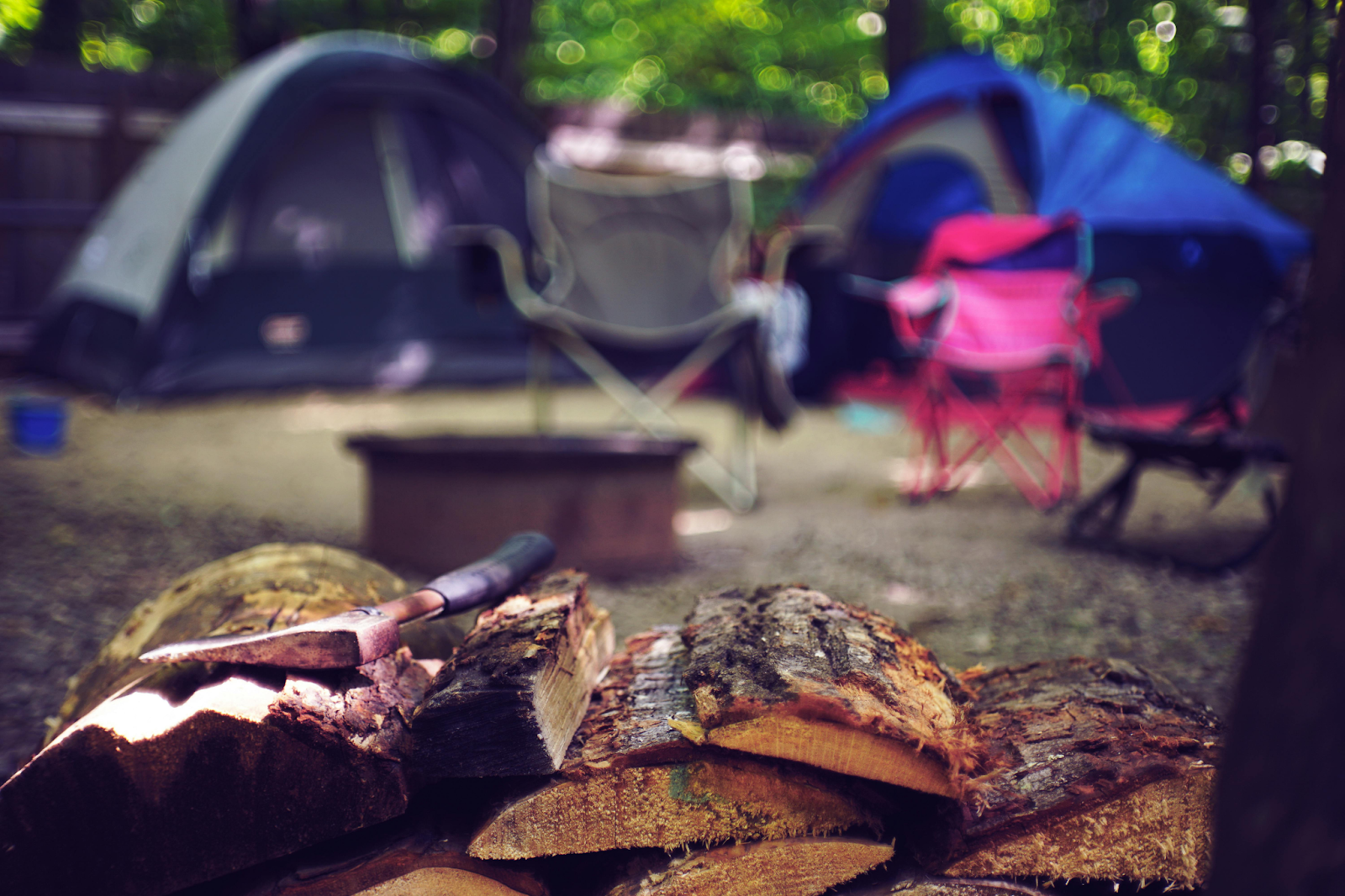
The combination of natural outdoor surroundings, good company, and the smoky aroma rising from an open flame makes cooking fresh whole fish on a campfire one of the most rewarding culinary experiences. Mastering this outdoor cooking method takes a little preparation, but the results are well worth the effort.
Selecting and Sourcing Whole Fish Varieties for Open Flames
Choosing a fish variety that holds up well to direct heat is the first step toward campfire cooking success. Sturdier whole fish options like trout, snapper, and mackerel maintain their structural integrity over hot coals much better than delicate fillets. Campers should clean and gut the fish thoroughly before leaving home or as soon as camp is established. For those looking to plan their meals in advance, ordering from a trusted whole fish online delivery service ensures fresh ingredients arrive right before a camping trip.
Building a Manageable Hardwood Coal Bed
Building a steady, manageable campfire is essential for achieving even heat distribution without scorching your meal. Hardwoods such as oak, maple, or hickory burn cleanly and reduce down into long-lasting, hot coals. Allowing the initial roaring flames to subside until only glowing embers remain prevents flare-ups from burning the delicate exterior of the fish. Spreading these coals into an even bed creates a predictable cooking zone.
Essential Field Prep: Scaling, Scoring, and Seasoning
Proper field prep, including scaling and scoring, allows heat to penetrate thick flesh evenly while helping seasonings adhere securely. Patting the fish dry with paper towels removes excess surface moisture, which prevents the skin from sticking and helps oil grip the surface. Make diagonal slashes across both sides of the thickest part of the fish body, then rub the exterior with olive oil, coarse salt, and black pepper. Stuffing the cavity with lemon slices and hardy herbs like thyme or rosemary infuses deep flavor while protecting the interior from drying out over the heat.
Mastering the Aluminum Foil Packet Technique
Using heavy-duty aluminum foil packets is the most foolproof way to trap moisture and steam whole fish on a campfire. Place the seasoned fish on a large double-layered sheet of foil, fold the edges tightly to seal in all juices, and lay the packet directly onto the hot coals. This method keeps the fish incredibly tender and practically eliminates any risk of sticking or burning. Campers often prefer foil packets when they want an easy cleanup after a long day of outdoor activities.
Direct Grate Grilling for Smoky Char
Cooking fish directly on an open campfire grate delivers an authentic smoky char and a crispy skin. Oil the metal grate thoroughly before placing any food on it, and position the fish perpendicular to the bars to prevent it from sagging or breaking apart. Cooking typically takes about six to eight minutes per side, depending heavily on the thickness of the fish and the intensity of the underlying coals. Managing wind and minor flare-ups by shifting the grate slightly off center helps maintain a steady cooking pace.
Utilizing a Cast Iron Skillet Over Coals
Preheating a heavy cast iron skillet directly over the coals provides a reliable, high-heat cooking surface that builds an exceptional crust. Add a generous splash of cooking oil to the hot skillet before gently laying the whole fish inside. Sear the fish for roughly six to eight minutes per side until the skin turns golden and releases easily from the iron. Cast iron retains heat exceptionally well, making it a favorite tool for outdoor chefs dealing with fluctuating campfire temperatures.
Verifying Doneness Through Temperature and Texture
Testing the flesh with a fork or checking the internal temperature confirms when the fish is safely cooked through. The flesh should flake easily and turn opaque throughout when probed in its thickest section. Using a meat thermometer inserted near the spine ensures the internal temperature reaches 60°C without overcooking the meat into a dry texture. Slender trout will cook much faster than a thick whole salmon, so adjust cooking times based on size rather than a rigid clock.
| Cooking Method | Best For | Estimated Time Per Side | Key Advantage |
|---|---|---|---|
| Foil Packet | Moisture retention & easy cleanup | 10–12 minutes total (unturned) | Prevents sticking and drying out |
| Open Grate | Smoky flavor & crispy skin | 6–8 minutes | Authentic campfire grill taste |
| Cast Iron Skillet | Consistent heat & heavy crust | 6–8 minutes | Reliable temperature control |
Rustic Campfire Sides and Accompaniments
Pairing your campfire creation with simple, rustic side dishes elevates the entire outdoor meal. Grilled vegetables, foil-roasted potatoes, fresh bread, and corn roasted directly in their husks complement the clean flavors of the fish wonderfully. For those seeking variety during outdoor trips, mastering versatile meal plans can be as helpful as learning how to manage your kitchen staples at home, much like knowing 10 tips for cooking perfect pasta every time when setting up camp kitchen menus.
Practicing Leave No Trace Ethics and Fire Safety
Respecting nature by cleaning your equipment and managing your campfire responsibly protects local ecosystems for future visitors. Dispose of all food scraps properly to avoid attracting unwanted wildlife to your campsite. Pack out all aluminum foil, packaging, and trash, and ensure your campfire is completely extinguished with water and dirt before leaving.
Frequently Asked Questions
What are the best types of fish for cooking on a campfire?
Sturdier whole fish varieties like trout, snapper, and mackerel handle high heat and open flame exceptionally well without falling apart.
How do I keep whole fish from sticking to the grill grate?
Oil both the fish skin and the grill grate generously, and ensure the fire has burned down to hot coals rather than roaring flames before starting.
Should I scale and gut the fish before putting it on the fire?
Yes, always scale, gut, and rinse the fish thoroughly before cooking to remove bitter scales and internal organs.
What is the correct internal temperature for cooked fish?
The internal temperature should reach 60°C in the thickest part of the flesh, and the meat should flake easily with a fork.
Can I cook frozen whole fish directly on a campfire?
It is best to fully thaw whole fish before campfire cooking to ensure even heat penetration and prevent the exterior from burning while the center remains raw.
Is aluminum foil necessary for campfire fish?
Aluminum foil is not strictly required, but it is highly recommended for beginners because it locks in moisture and prevents sticking.
Disclaimer: Campfire cooking conditions vary based on weather, wood type, and fire management. Always check local fire safety regulations and weather advisories before starting a campfire.


