

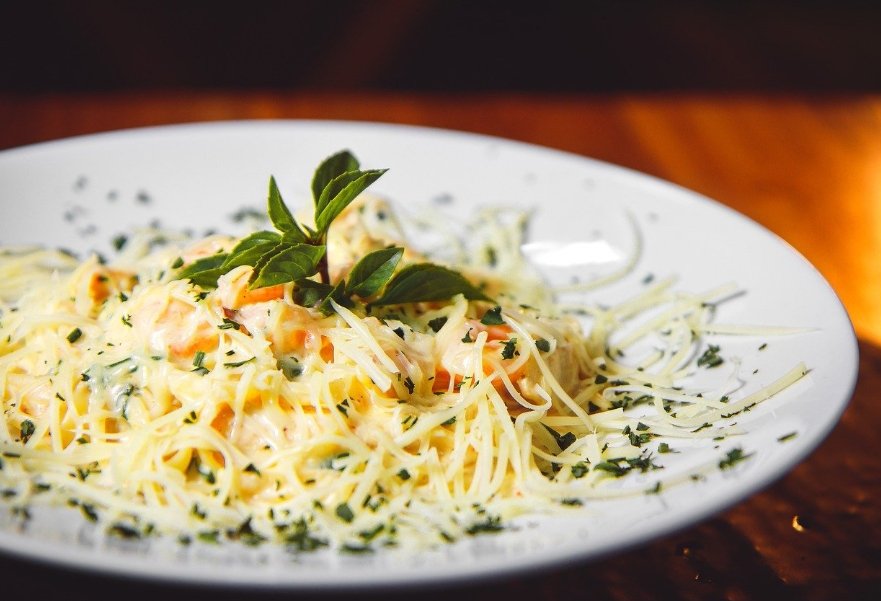
Cooking pasta is a fundamental culinary skill that many home cooks practice on a weekly basis, yet achieving restaurant-quality results requires understanding more than just boiling water. Whether you are preparing a quick weeknight dinner or hosting a gathering, getting the texture and flavor right makes all the difference. Mastering the science behind starch gelatinization, water volume, and thermal timing ensures that your noodles never turn out gummy, clumped, or bland.
In this guide, we explore the essential principles and proven techniques that elevate a basic pot of noodles into a cohesive, flavorful dish.
Choose the Right Pasta Shape for Your Sauce
Matching the correct pasta shape to your sauce ensures that every single bite delivers a balanced ratio of flavor and texture. Long, slender noodles like spaghetti or linguine feature smooth surfaces that pair best with thin, oil-based or light tomato sauces. In contrast, thick, ridged tubes like penne, rigatoni, or fusilli possess deep grooves and hollow cavities designed to trap heavy meat ragus and rich dairy emulsions. Delicate filled varieties like ravioli call for simple butter and herb toppings that highlight their savory fillings without overwhelming them.
Use a Large Pot and Plenty of Water
Providing your noodles with ample room to expand in a spacious pot prevents temperature drops and uneven cooking. The standard culinary guideline calls for roughly four to six quarts of water for every single pound of dry pasta you submerge. When you drop dry noodles into a generous volume of boiling liquid, the heat remains stable and starches disperse widely instead of concentrating into a sticky paste. A large pot also leaves ample vertical clearance to prevent messy boil-overs on your stovetop.
Salt the Water Like the Sea
Seasoning your boiling water generously with salt allows the noodles to absorb savory flavor from the inside out as they rehydrate. Professional cooks typically recommend dissolving about one to two tablespoons of coarse sea salt for every gallon of water once the liquid reaches a vigorous boil. While some home cooks worry about excess sodium intake, the vast majority of that salt remains in the pot water when drained, leaving just the right touch of seasoning inside the pasta.
Skip the Oil in the Water
Drizzling olive oil into your boiling water is a common habit that actually works against your final dish by hindering sauce adherence. The floating oil coats the exterior of each noodle in a slick barrier that prevents your carefully prepared sauce from clinging properly. Instead of using oil, rely on adequate water volume and active stirring during the opening minutes of cooking to keep the individual pieces completely separated.
Stir Early and Often
Giving your pasta a vigorous stir right after it hits the boiling water stops surface starches from gluing the noodles together. Dry pasta rapidly releases soluble starches during its first two minutes in the pot, making this initial agitation crucial for preventing clumps. Continue to stir the pot occasionally throughout the boiling process to promote even heat circulation and uniform softening across every piece.
Test for Al Dente Timing
Achieving the authentic al dente texture means the pasta offers firm, pleasant resistance to the tooth rather than feeling soft or mushy. To verify this doneness, fish out a noodle a minute or two before the package timer expires and bite down to inspect its core. You should spot a tiny pinprick of opaque white starch in the center while experiencing a firm chew. Pulling the pot off the burner at this exact stage prevents the noodles from breaking down into mush once they meet hot sauce.
Reserve Starchy Pasta Water Before Draining
Scooping out a cup of cloudy pasta water right before you empty the pot gives you a powerful tool for emulsifying sauces. This starch-infused liquid acts as a natural binder that helps fat and cheese meld seamlessly into the noodles without separating or pooling at the bottom of the bowl. Splashing a spoonful into a dry pan transforms a chunky or stiff sauce into a silky, glossy coating.
Finish Cooking Directly in the Sauce
Transferring your slightly undercooked pasta straight into a skillet of simmering sauce allows the starches to complete their cooking cycle inside the flavor base. As the noodles absorb the surrounding liquid alongside a splash of reserved cooking water, the entire mixture thickens into a unified dish. This technique fuses the flavors deeply, ensuring that every bite tastes like a cohesive creation rather than plain noodles covered in separate sauce.
Mastering Starch Science and Troubleshooting Kitchen Mishaps
Understanding the underlying starch chemistry helps home cooks correct minor kitchen mistakes before dinner is ruined. When noodles clump together due to overcrowding or forgotten stirring, gently separating them with tongs while adding warm water can salvage the dish. For those planning celebratory meals or hosting friends at home, exploring helpful ideas for planning social gatherings provides fantastic culinary inspiration. The reference table below summarizes common pasta challenges and their direct solutions.
Review the quick reference table below to diagnose and fix common pasta preparation issues:
| Preparation Challenge | Root Cause | Effective Solution |
|---|---|---|
| Noodles clump together | Insufficient water volume or missed early stirring | Separate gently with tongs and add warm water |
| Sauce slides off pasta | Added oil to the boiling pot water | Toss vigorously with starchy cooking water and grated cheese |
| Mushy texture | Boiled past the al dente threshold | Use immediately in a baked dish or thicken the sauce base |
Frequently Asked Questions
Should I rinse my pasta with cold water after draining?
You should never rinse hot pasta with cold water unless you are preparing a chilled pasta salad. Rinsing washes away the essential surface starches that allow your sauce to cling properly to the noodles.
How much salt should I actually add to the pot?
A reliable benchmark is one to two tablespoons of coarse salt per gallon of boiling water, ensuring the liquid tastes seasoned like seawater. This internal seasoning elevates the overall flavor profile of the final dish.
Can I reuse leftover cooked pasta the next day?
Yes, you can store leftover cooked pasta in a sealed container in the refrigerator for up to three days. Reheat it gently in a skillet with a splash of water or extra sauce to restore its original moisture.
Why does my pasta water foam up and boil over?
Boiling pasta releases soluble starches that create a thick, starchy foam on top of the water. Using a larger pot with plenty of headspace prevents these bubbles from spilling over the edge.
Is fresh pasta cooked the same way as dry pasta?
Fresh pasta cooks significantly faster than dry varieties, usually requiring only two to three minutes in boiling water. Always test fresh noodles early to prevent them from becoming overly soft or gummy.
What is the best way to reheat a creamy pasta dish?
Reheat creamy pasta on the stovetop over low heat while adding a small splash of milk or water. Stir continuously to keep the dairy emulsion intact and prevent the sauce from breaking.
Disclaimer: Cooking times and results can vary based on burner intensity, pot dimensions, and the specific brand of pasta used. Always inspect package guidelines and taste your food during preparation to ensure optimal results.

Passionate content writer and savvy blog publisher, Aamir crafts compelling stories and insightful articles that captivate and inform. With a knack for blending creativity and strategy, they bring fresh perspectives to every piece. Dive into their world of words and discover content that resonates.


