

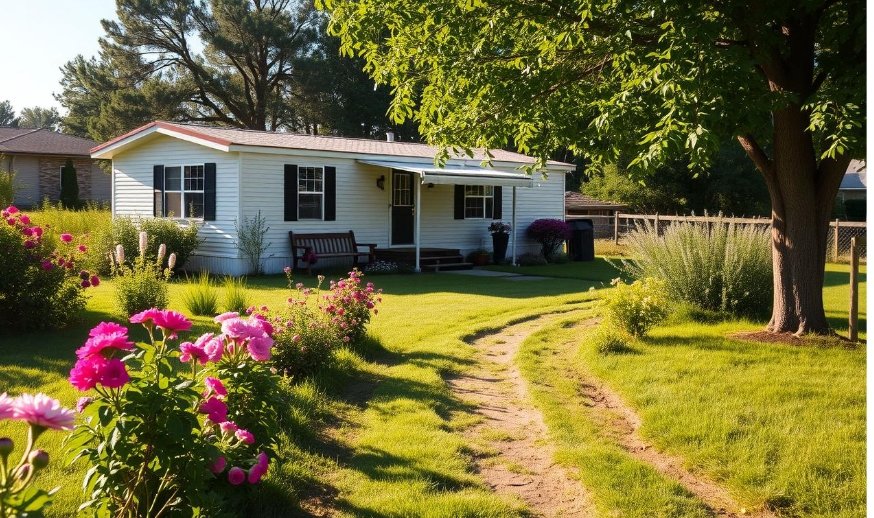
Deciding to donate a mobile home offers a powerful way to clear unwanted property while directly supporting community housing initiatives. Manufactured home donations provide safe, accessible shelter for families struggling with rising housing costs, turning a vacant or surplus dwelling into a meaningful community asset. Whether the structure sits on private acreage or occupies a pad in a land-lease community, understanding the physical and administrative realities of the transfer ensures a smooth experience for both the donor and the receiving charity.
Gifting a manufactured dwelling involves much more than simply handing over a set of keys or signing a bill of sale. Donors must navigate structural compliance standards, coordinate heavy transport logistics, settle park clearance obligations, and meet specific IRS guidelines to claim legitimate tax deductions. Taking the time to evaluate these factors beforehand prevents costly surprises and guarantees your contribution fulfills its intended charitable purpose.
Assessing HUD Building Standards and Structural Quality
Determining whether a manufactured home meets federal manufacturing criteria is the essential first step before any charity will consider accepting the property.
Charitable organizations and vehicle or housing donation programs enforce rigorous intake rules to protect their operational budgets from excessive repair or demolition expenses. Most legitimate non-profits require that a donated mobile home meets the federal HUD building code established in June 1976, which regulates safety, fire resistance, and energy efficiency. Homes built prior to this benchmark are frequently turned down due to outdated aluminum wiring, insulation deficiencies, and hazardous materials like asbestos or lead paint. Furthermore, charities evaluate whether the dwelling has sustained severe roof leaks, subfloor water damage, or frame rust, as the cost of professional rehabilitation often outweighs the home’s ultimate resale or programmatic utility.
Managing Land-Lease Community Rules and Park Clearances
Securing explicit approval from manufactured home community management is mandatory if your dwelling is located inside a rental park.
Unlike standard real estate where the land transfers alongside the structure, mobile homes situated in commercial parks occupy leased land governed by strict community bylaws. Park owners demand that all monthly space rent, utility fees, and maintenance assessments be paid in full prior to any ownership transfer. If the charity intends to remove the structure from the park to place it on private land, management will require proof of licensed professional transport and bonded contracting. Conversely, if the charity plans to leave the home in place to assist a low-income resident, the new occupant must pass the park’s standard background check, credit screening, and residency application process before management grants final clearance.
Anticipating Out-of-Pocket Moving and Administrative Expenses
Donors are often surprised to discover that transferring a manufactured home can incur out-of-pocket expenses for moving, titles, and legal fees.
Professional heavy-hauling companies charge substantial fees to disconnect utility lines, split multi-section units, lift the structure onto commercial flatbed trailers, and secure state highway transport permits. Additionally, state motor vehicle departments or housing divisions require formal title transfers, notarized lien releases, and local property tax clearance certificates before updating ownership records. Donors must budget for these administrative and logistical costs, as most charitable organizations operate on tight budgets and cannot absorb third-party transport or towing expenses.
| Expense Factor | Typical Responsibility | Key Considerations |
| Professional Transport | Donor or Negotiated | Involves heavy-duty towing, state permits, and specialized escort vehicles for road transit. |
| Park Space Rent | Donor Responsibility | All outstanding lot rent and community fees must be paid current before park clearance is granted. |
| Title Transfer Fees | Varies by State/Agency | Required state motor vehicle or housing division fees to assign ownership to the 501(c)(3) entity. |
| Professional Appraisal | Donor Expense | Mandatory for substantiating IRS charitable deductions when the claimed value exceeds statutory limits. |
Executing the Property Transfer From Inspection to IRS Records
Completing a manufactured home donation successfully requires following a precise sequence from initial inspection to final IRS documentation.
- Inspect Structural Condition: Check the roof trusses, plumbing lines, flooring integrity, and steel chassis to confirm the dwelling is habitable.
- Verify 501(c)(3) Status: Confirm that the recipient organization holds active tax-exempt status with the IRS and is legally authorized to receive housing assets.
- Clear All Liens: Pay off any outstanding mortgages, personal loans, or tax encumbrances attached to the mobile home title to ensure a clean transfer.
- Coordinate Park Management: Submit required paperwork to community landlords and settle any pending space rent or utility balances.
- Arrange Transport Logistics: Schedule licensed manufactured home movers to extract the structure safely from its current pad.
- Secure Tax Receipts: Obtain written acknowledgment and Form 8283 from the charity to substantiate your deduction for federal tax filing.
Calculating Charitable Deductions Under Federal Tax Guidelines
IRS guidelines dictate strict compliance rules regarding how property owners calculate and claim deductions for manufactured housing gifts.
Under federal tax rules, the deductible amount depends heavily on whether the charity utilizes the mobile home directly for its tax-exempt programs or sells it for salvage and cash. If the organization chooses to sell the home through commercial channels, your charitable deduction may be legally limited to the actual gross proceeds generated from that sale rather than its estimated fair market value. For donations where the claimed value exceeds prescribed financial thresholds, obtaining a qualified independent appraisal is mandatory. Property owners should consult a licensed tax professional to correctly file IRS Form 8283 and navigate state-level charitable donation credits.
Exploring Alternative Reuse Pathways When Charities Decline
When traditional non-profits turn down an older or storm-damaged structure, alternative disposal and reuse pathways remain viable.
Homeowners can explore private market sales through specialized real estate channels, classified networks, or land-lease community boards to recoup residual financial value. Another creative approach involves adaptive repurposing, transforming an aging unit into a secure backyard storage building, a detached art studio, or a private workshop. For severely dilapidated structures that pose safety hazards, professional deconstruction and recycling contractors can salvage valuable aluminum siding, copper wiring, and steel framing, keeping heavy materials out of local landfills.
For individuals managing broader property transformations or planning future residential projects, reviewing helpful resources such as our guide on navigating your initial residential purchase can provide valuable context. Every property decision requires carefully balancing invested time, financial outlay, and overall community impact.
Common Questions About Manufactured Home Gifts
Can I donate a mobile home that is currently located in a rental park?
Yes, but you must obtain written approval from park management and ensure all lot rent and community fees are paid current before any transfer takes place.
Do all charities accept pre-1976 mobile homes?
No, the vast majority of non-profit organizations reject pre-HUD code homes due to strict building safety regulations, outdated electrical systems, and high disposal liabilities.
Who pays for the transport costs when I donate a mobile home?
Transport responsibilities vary by organization, but donors frequently negotiate these expenses or cover professional moving and towing costs out of pocket.
What tax form is required to claim a deduction for a manufactured home?
Donors typically must complete and attach IRS Form 8283 to their tax return, supported by a formal independent appraisal if the claimed value exceeds specific statutory limits.
What happens if the charity sells my donated mobile home?
If the charity sells the home instead of using it directly for housing programs, your tax deduction may be legally capped at the actual cash amount the charity receives from that sale.
Are there alternative options if no non-profit will accept my home?
If charities decline the unit, you can pursue a private sale, convert the structure for storage use, or hire a contractor for professional recycling and deconstruction.
Disclaimer: The information provided in this guide is for educational purposes and should not be taken as formal legal or tax advice. Tax laws, municipal regulations, and charity acceptance policies change periodically, so readers should verify all final details directly with qualified professionals and official government agencies before making financial or property decisions.

Daniel J. Morgan is the founder of Invidiata Magazine, a premier publication showcasing luxury living, arts, and culture. With a passion for excellence, Daniel has established the magazine as a beacon of sophistication and refinement, captivating discerning audiences worldwide.


