

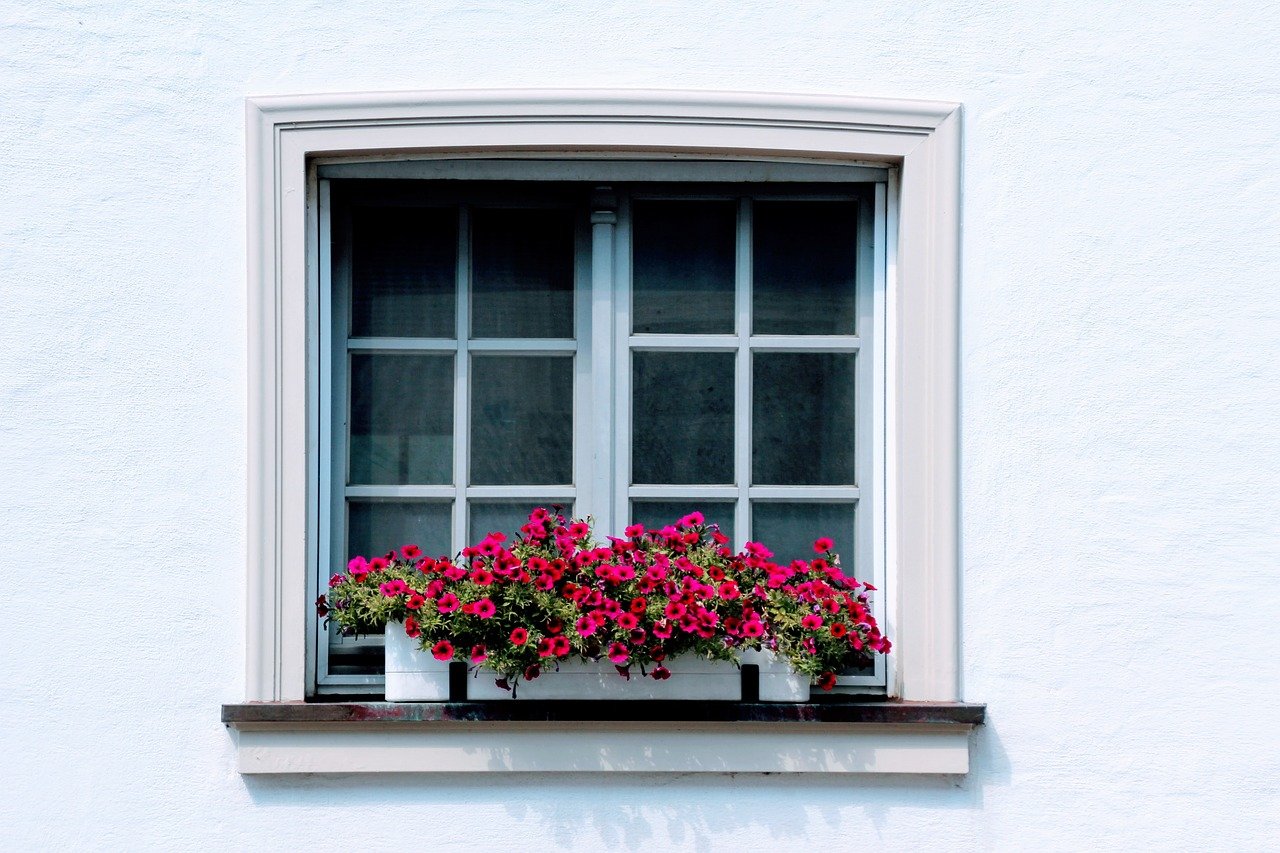
In the landscape of modern urban living, where square footage is often limited and personal outdoor areas are restricted, maximizing every available inch becomes essential. Hanging balcony planters offer a practical and effective solution to the spatial challenges posed by compact city apartments. These versatile containers elevate unused vertical space, turning bare balcony railings and overhead walls into lush, vibrant gardens without taking up valuable floor area.
Beyond visual enhancement, hanging containers serve distinct functional purposes for city residents. They help define outdoor boundaries, soften hard architectural lines, and make container gardening accessible for renters who face strict limitations on permanent modifications. Understanding how to select, install, and maintain these elevated garden beds ensures a successful and long-lasting urban retreat.
Elevate Your Urban Outdoor Space with Hanging Planters
Hanging balcony planters provide exceptional space efficiency, aesthetic versatility, and practical utility for modern small-space gardening.
Maximizing Vertical Space in Compact Living
One of the greatest advantages of hanging balcony planters is their ability to utilize vertical areas that would otherwise remain empty. In high-rise developments where floor space is at a premium, hanging systems allow residents to cultivate flowers, herbs, and trailing vines without sacrificing precious standing room. By shifting plants upward, gardeners create a layered green zone that keeps floor space open for seating, storage, or foot traffic. This vertical arrangement also improves plant accessibility, placing herbs and cascading flowers closer to eye level for easier watering, pruning, and harvesting.
Enhancing Aesthetic Appeal and Privacy
Hanging balcony planters are available in a wide selection of styles, ranging from sleek modern resin troughs to traditional metal baskets lined with natural coconut fiber. When filled with dense foliage or colorful blooming species, these elevated containers act as natural privacy screens that block unsightly views from neighboring units or street levels. Selecting cohesive materials and plant colors allows urban dwellers to match their outdoor containers to existing interior or architectural decor, creating a polished extension of the home.
Understanding Your Balcony Environment (Weight Limits and Wind)
Balcony gardening requires careful attention to environmental factors such as structural weight limits, high-altitude wind shear, and solar exposure.
Before installing heavy containers, urban gardeners must understand the weight capacity of their balcony structures and railings. Wet soil is surprisingly heavy, and saturated potting mix combined with ceramic or dense stone planters can easily exceed safe weight limits on cantilevered balconies. Opting for lightweight composite materials, fiberglass, or durable resin helps keep structural loads well within safe boundaries. Furthermore, upper-floor balconies often experience stronger wind currents that can dislodge loose hanging baskets or snap delicate plant stems. Secure mounting hardware, wind-resistant saddle planters, and sturdy cable ties are essential safety measures for high-rise gardening.
Choosing the Right Planters for Your Lease and Lifestyle
The right planter choice depends heavily on your rental agreement, maintenance habits, and local climate conditions.
Renters often face strict lease restrictions prohibiting drilling into exterior walls, masonry, or balcony rails. Non-drill mounting solutions, such as adjustable over-the-rail saddle brackets and heavy-duty clamp fixtures, offer secure attachment without causing permanent property damage. For busy individuals or frequent travelers, self-watering hanging planters provide a reliable safeguard against drought stress by utilizing a built-in reservoir that draws moisture up to the roots as needed. Material selection also dictates durability; treated metal resists physical impacts but requires rust-proofing in humid coastal climates, whereas UV-resistant resin and fiberglass endure harsh sun exposure without cracking or fading.
| Planter Material | Best Use Case | Pros | Cons |
|---|---|---|---|
| UV-Resistant Resin | Sunny high-rises | Lightweight, colorfast, affordable | Can become brittle in extreme sub-zero cold |
| Treated Metal with Coir Liner | Traditional or rustic aesthetics | Excellent aeration, classic appearance | Coir dries out quickly and degrades over time |
| Fiberglass / Composite | Modern urban balconies | Extremely durable, mimics stone or ceramic | Higher initial purchase price |
Top Plant Selections for Hanging Containers
Selecting appropriate plant varieties ensures that hanging balcony planters thrive despite the unique microclimate of elevated spaces.
For shaded balconies or beginner gardeners with limited time, low-maintenance trailing species such as pothos and heart-leaf philodendrons offer robust growth with minimal intervention. Spider plants also adapt well to moderate light conditions and produce charming plantlets that cascade downward. If your balcony receives intense afternoon sunlight, heat-tolerant flowering options like trailing petunias, cascading geraniums, and calibrachoa provide vibrant, continuous color throughout the growing season. Culinary enthusiasts can also cultivate compact herbs like trailing rosemary, thyme, and cascading cherry tomatoes in well-anchored hanging containers.
Smart Watering and Maintenance Solutions
Proper drainage management, seasonal upkeep, and efficient irrigation prevent common balcony gardening headaches.
Elevated planters require adequate drainage holes to prevent standing water and root rot, but excess runoff can drip onto neighbors below if not managed properly. Placing small saucer trays beneath hanging baskets or positioning containers above integrated drainage troughs captures excess water during irrigation. For balconies without easy access to an outdoor hose spigot, lightweight watering cans or portable drip-irrigation kits connected to indoor faucets simplify daily upkeep. When winter arrives, gardeners should store natural coir liners indoors, protect perennial roots from hard freezes, and clear out spent annual foliage to prepare containers for the next growing season. Furthermore, if you are planning wider property upgrades or organizing outdoor gatherings, you may want to transform your outdoor space with a custom 10×10 canopy tent to complement your elevated greenery.
Frequently Asked Questions
How do I prevent my hanging balcony planters from falling in high winds?
Secure your containers using wind-resistant saddle brackets, heavy-duty rail clamps, or industrial zip ties attached to stable vertical supports. Avoid lightweight plastic pots in ultra-windy high-rise locations by choosing heavier composite or metal designs.
Can I grow vegetables in hanging balcony planters?
Yes, compact vegetable varieties such as cherry tomatoes, strawberries, lettuce, and bush peppers thrive in hanging containers as long as they receive at least six hours of direct sunlight and regular watering.
How do I keep water from dripping onto the balcony below?
Choose planters that feature built-in saucers or attach detachable catch trays underneath your hanging baskets to trap excess water during routine watering sessions.
What are the best lightweight materials for high-rise balconies?
Fiberglass, heavy-duty polyethylene resin, and fabric grow bags are exceptionally lightweight options that minimize structural weight loads on cantilevered apartment balconies.
How often do hanging balcony planters need to be watered?
Hanging containers dry out much faster than ground-level garden beds due to increased exposure to sun and wind. Check the soil moisture daily by sticking your finger an inch into the dirt, and water thoroughly whenever the top layer feels dry.
Do hanging plants require special fertilizer?
Because frequent watering washes nutrients out of potting soil quickly, apply a balanced, water-soluble fertilizer every two to four weeks during the active growing season to maintain plant health and vibrant blooms.
Disclaimer: Gardening conditions, structural weight limits, and lease agreements vary significantly by building and location. Readers should always verify local building codes, rental rules, and weight capacities with property management before installing heavy elevated planters.

Daniel J. Morgan is the founder of Invidiata Magazine, a premier publication showcasing luxury living, arts, and culture. With a passion for excellence, Daniel has established the magazine as a beacon of sophistication and refinement, captivating discerning audiences worldwide.


