

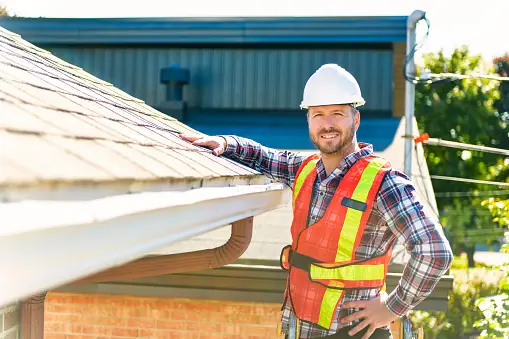
Protecting your home begins at the very top, making consistent roof care an essential responsibility for every property owner. Routine roof maintenance and repairs prevent minor material wear from turning into major structural damage that can compromise your entire living space.
Effective Strategies for Roof Maintenance and Repairs: An Overview
Proactive roof care protects the home’s structure and prevents runaway repair bills by addressing vulnerabilities early. Property owners who establish a consistent inspection routine consistently avoid the financial stress of sudden, catastrophic leaks. A well-maintained roof system safeguards insulation, drywall, and electrical wiring against moisture intrusion while enhancing overall property value. Understanding how roofing materials react to daily weather exposure allows homeowners to implement targeted upkeep rather than reacting only after an emergency occurs. Regular oversight preserves shingle integrity, keeps flashing secure, and extends the overall operational lifespan of the entire roof deck, ensuring peace of mind throughout every changing season.
The Core Annual Roof Maintenance Routine
A structured seasonal checklist helps homeowners catch minor wear before it turns into an active leak. During spring, inspect shingles for winter wind damage and clear organic debris from valleys to maintain proper drainage. Summer brings intense heat that calls for checking attic ventilation to prevent thermal stress on decking materials and reduce indoor cooling loads. Fall requires clearing gutters thoroughly so autumn leaves do not form ice dams later when temperatures drop below freezing. Winter monitoring involves checking for interior ceiling discoloration or frost accumulation in unheated attic spaces. Establishing this disciplined annual cadence ensures that seasonal shifts never catch a property unprotected against moisture or heavy winds.
Common Warning Signs Every Homeowner Should Watch For
Specific visual indicators like missing shingles, sagging lines, and flashing wear require immediate attention to prevent structural failure. Granules accumulating in downspouts often signal that asphalt shingles are reaching the end of their operational lifespan and losing their UV protective coating. Dark streaks, blistering paint on overhangs, and compromised metal flashing around chimneys also point to localized water penetration that demands investigation. Recognizing these subtle red flags early empowers homeowners to hire contractors for targeted repairs before moisture spreads into the underlying rafters and ceiling joists, saving thousands of dollars in major renovation costs.
Understanding Roof Repair Costs and Budgeting
Several distinct variables influence professional roof repair pricing so homeowners can plan financially for contractor interventions. Minor repairs involving simple shingle replacement or small flashing seals typically require modest service fees, often ranging from minor service calls to straightforward hourly labor charges. More extensive restoration work, such as replacing rotted plywood decking or addressing widespread structural leaks, involves higher material and labor investments due to the complexity of the job. Homeowners can also explore guidance on essential roof upkeep practices to better understand long-term property budgeting and financing options for unexpected repairs.
DIY Maintenance vs. Hiring a Professional Roofer
Safe homeowner upkeep involves ground-level visual assessments and gutter clearing, while complex tasks demand licensed contractor expertise. Climbing onto a steep roof without proper fall protection introduces significant personal injury risks that outweigh any short-term financial savings. Professional roofing contractors bring specialized safety gear, precise diagnostic tools, and warranty-backed workmanship that ensures lasting structural integrity. Knowing where personal effort ends and professional service begins keeps maintenance safe, cost-effective, and legally compliant with local building codes, preventing accidental damage to fragile roofing materials during routine chores.
Climate-Specific Roof Protection Strategies
Freezing winters, intense summer heat, and heavy rainfall require targeted maintenance approaches tailored to local environmental pressures. Colder regions demand vigilant ice dam prevention, adequate attic insulation, and proper soffit ventilation to stop destructive freeze-thaw cycles from lifting shingle tabs. Hot, arid climates benefit from reflective roof coatings that minimize thermal expansion and reduce the overall heat transfer into living spaces. Meanwhile, wet coastal environments require robust moisture barriers, sturdy underlayment, and prompt mildew remediation to protect underlying timber from rot. Adapting maintenance routines to regional climate realities ensures that roofing materials perform optimally despite harsh external elements.
Frequently Asked Questions About Roof Repairs
How often should a residential roof undergo professional inspection?
A professional roof inspection is recommended at least once a year and immediately following severe weather events like major hailstorms or high winds.
Can I patch my own roof leaks?
Minor leaks caused by a loose shingle or a small gap in flashing can sometimes be managed by experienced DIYers using proper roofing sealant.
What are the primary signs that a roof needs complete replacement?
Widespread sagging, extensive granule loss across multiple slopes, and recurring leaks despite previous repairs typically indicate that full replacement is necessary.
How do clogged gutters affect roof longevity?
Blocked gutters trap standing water against the fascia boards, causing wood rot, pest infestation, and moisture seepage underneath the lower shingle rows.
Do roof coatings actually extend shingle life?
Reflective and elastomeric coatings can reduce thermal shock and UV degradation, extending the serviceable life of certain roofing systems.
What safety precautions are necessary for ground-level roof checks?
Homeowners should use binoculars from the safety of the ground and never climb ladders during wet or windy conditions.
How can I protect my roof during severe winter weather?
Keeping attic spaces well-insulated and ensuring proper ventilation helps prevent ice dams from forming along the eaves during heavy snowfalls.
Disclaimer: Roofing maintenance requirements and material costs vary based on geographic location, architecture, and weather severity. Property owners should verify final specifications and pricing with licensed local contractors.


