

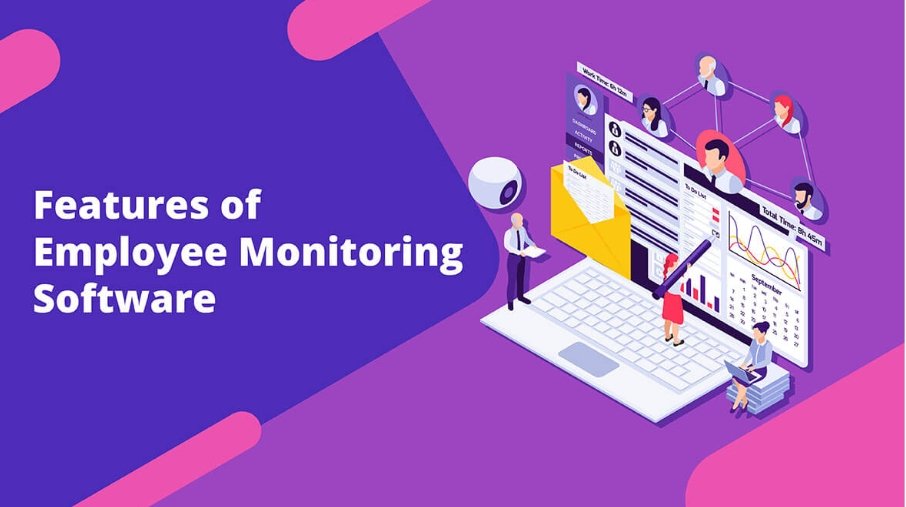
Managing a dispersed workforce requires tools that offer clear visibility into daily operations without relying on guesswork or physical oversight. Organizations today face unique challenges keeping distributed teams aligned, productive, and secure, which makes digital tracking systems a central part of modern corporate infrastructure.
Understanding what employee monitoring software actually entails involves looking past the old stigma of intrusive surveillance and focusing on how structured workflow tracking supports both management objectives and employee accountability.
What Defines Digital Oversight in Today’s Workplaces?
Employee monitoring software comprises specialized technical solutions engineered to record, quantify, and analyze digital work habits across company-approved devices.
Rather than functioning merely as hidden spyware, contemporary platforms operate openly to measure objective output metrics. These tools document how long specific programs remain open, when tasks reach completion, and how time divides between core responsibilities and administrative duties.
Executives and department heads utilize these automated records to pinpoint workflow bottlenecks, evaluate staffing needs accurately, and establish equitable benchmarks across departments.
Core Technical Capabilities and Tracking Mechanisms
Modern tracking suites integrate diverse software capabilities designed to capture specific operational data points during working hours.
System administrators configure these platforms according to internal corporate policies, balancing the depth of data collection against privacy standards. The table below outlines the primary tracking functions built into these platforms:
| Tracking Function | Primary Technical Action | Operational Purpose |
|---|---|---|
| Automatic Time Logging | Records login intervals, active hours, and prolonged idle times | Validating attendance and streamlining payroll calculations |
| Application & Domain Auditing | Catalogs software programs and web platforms accessed during shifts | Detecting persistent productivity distractions and software usage trends |
| Input Activity Measurement | Tracks frequency of keyboard strokes and mouse movements | Measuring active engagement levels during independent desk tasks |
| Milestone & Task Tracking | Monitors project deadlines, deliverables, and assignment handoffs | Keeping complex cross-functional initiatives aligned with schedules |
| Periodic Visual Snapshots | Captures intermittent desktop images at randomized or set intervals | Providing visual verification of task execution and compliance |
These features allow leadership teams to assemble a comprehensive picture of daily output. When paired with comprehensive software platforms for modern business operations, these tracking capabilities help organizations run smoothly across multiple geographic locations.
Tangible Advantages for Corporate Efficiency and Security
Implementing structured oversight delivers measurable benefits that improve organizational output, resource allocation, and asset protection.
Productivity rises naturally when teams operate with clear awareness of performance expectations and time management patterns. Supervisors can replace subjective performance reviews with hard data, offering constructive guidance based on actual workflow habits rather than assumptions.
Data security and regulatory compliance also strengthen significantly through automated monitoring. Systems can detect unauthorized file downloads, flag suspicious access attempts to confidential databases, and protect corporate intellectual property from internal security threats.
Navigating Privacy Concerns and Maintaining Workforce Trust
Deploying workforce surveillance requires careful handling to prevent severe morale loss, employee pushback, and high turnover rates.
Overly aggressive tactics, such as continuous webcam recording or invasive keystroke logging without clear justification, often create an atmosphere of distrust. Successful organizations prioritize complete transparency by informing staff members exactly what data is collected, why the software is installed, and how their personal privacy is protected outside of working hours.
Shifting the focus from micromanagement to outcome-based performance metrics helps maintain a healthy corporate culture where accountability thrives.
Strategic Selection and Responsible Deployment Guidelines
Choosing the right oversight system involves a methodical evaluation of company scale, technical requirements, and legal compliance obligations.
Decision-makers should begin by outlining their specific operational hurdles. A small marketing firm might only require lightweight time tracking, while a financial institution handling sensitive client data needs rigorous security logging and strict data retention controls.
Consulting legal professionals before rollout ensures that all monitoring practices respect regional labor laws, notification mandates, and employee privacy rights.
Frequently Asked Questions
Is employee monitoring software legal to use?
Yes, monitoring employee activity on company-owned equipment and networks is generally legal in most jurisdictions, provided employers adhere to local labor laws and provide proper disclosure.
Do staff members always know when monitoring tools are active?
Best practices and many legal frameworks require employers to maintain transparency, ensuring workers are informed about what data is tracked on their devices.
Can monitoring applications track personal activities outside of work?
Reputable tracking platforms offer configuration options to exclude personal browsing, pause monitoring during scheduled breaks, and protect non-work activities.
Does digital monitoring genuinely increase overall workplace productivity?
When utilized constructively to identify bottlenecks and guide workflow improvements, monitoring tools help team members stay focused and achieve project goals efficiently.
What is the distinction between passive time tracking and active surveillance?
Time tracking records hours spent on specific assignments, whereas active surveillance involves more intrusive measures like periodic screen captures or continuous activity logging.
How can companies prevent monitoring tools from damaging employee morale?
Companies preserve morale by maintaining open communication, limiting data collection to what is strictly necessary, and emphasizing output goals rather than micromanaging daily actions.
Disclaimer: Workplace monitoring technologies and applicable privacy regulations evolve continuously. Organizations should verify specific legal requirements and software capabilities with official legal and technical advisors before implementing any monitoring solution.

Passionate content writer and savvy blog publisher, Aamir crafts compelling stories and insightful articles that captivate and inform. With a knack for blending creativity and strategy, they bring fresh perspectives to every piece. Dive into their world of words and discover content that resonates.


