

Table of Contents
- Balancing Residential Climate Control and Power Usage
- Decoding SEER2 Ratings and Central Heating Equipment
- Integrating Heat Pumps and Automated Smart Controls
- Preventive Upkeep for Clean Airflow and Gear Longevity
- Smart Daily Habits to Minimize Household Energy Waste
- Troubleshooting Airflow Failures and Knowing When to Call Experts
- Frequently Asked Questions
Balancing Residential Climate Control and Power Usage
Efficient HVAC systems are essential for maintaining steady indoor comfort while keeping utility bills manageable regardless of external weather shifts.
Modern heating, ventilation, and air conditioning equipment balances powerful climate control with reduced power usage, making residential living spaces much more sustainable. Homeowners increasingly recognize that upgrading or maintaining an efficient setup goes beyond basic convenience; it represents a responsible approach to household energy management. When you invest time and resources into proper climate control, you protect your living environment from extreme temperatures while avoiding unnecessary utility expenses over the lifespan of the equipment.
As energy costs continue to fluctuate, having a reliable system that distributes conditioned air evenly without wasting power becomes a top priority. Selecting high-efficiency equipment involves weighing initial setup costs against the long-term savings generated on monthly electric and gas bills. Furthermore, maintaining optimal indoor conditions directly supports overall household well-being, aligning with broader goals for building a sustainable foundation for long-term homeownership.
Decoding SEER2 Ratings and Central Heating Equipment
Understanding modern heating and cooling technology requires looking closely at core hardware parts and current efficiency metrics like SEER2 and HSPF2.
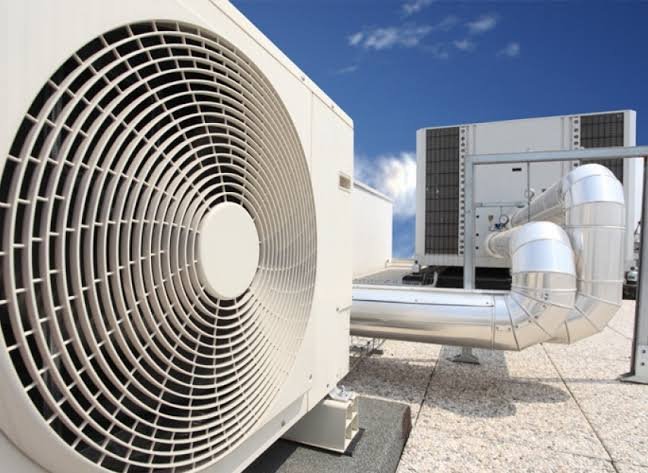
The main components of a standard central setup include the furnace or heating unit, the indoor air conditioner or heat pump compressor, and the network of ductwork that routes conditioned air throughout the house. The heating unit generates warmth via gas combustion or electric resistance, while the cooling unit extracts thermal energy and humidity from indoor air during warmer months. Ductwork acts as the circulatory pathway, ensuring balanced airflow from room to room.
Regulatory updates have introduced updated efficiency testing procedures, shifting toward SEER2 (Seasonal Energy Efficiency Ratio 2) and HSPF2 (Heating Seasonal Performance Factor 2) ratings. These newer standards provide a more accurate measurement of real-world energy performance under stricter testing conditions. Choosing equipment with higher SEER2 and HSPF2 ratings ensures that your heating and cooling equipment operates at peak efficiency, minimizing waste and maximizing monthly utility savings.
| Component / Metric | Primary Function | Efficiency Indicator |
|---|---|---|
| Furnace / Heating Unit | Generates warmth during cold weather months | AFUE (Annual Fuel Utilization Efficiency) |
| Air Conditioner / Heat Pump | Cools interior spaces and removes humidity | SEER2 Ratings |
| Ductwork Network | Transports conditioned air to different rooms | Sealing integrity and insulation value |
Integrating Heat Pumps and Automated Smart Controls
Heat pumps have emerged as a dominant technology in modern residential climate control due to their ability to provide both efficient heating and cooling from a single unit.
Unlike traditional furnaces that burn fuel to create heat, heat pumps transfer thermal energy from the outdoors into your home during winter, reversing the process to cool your home in summer. This transfer method requires significantly less electricity than traditional resistance heating.
Alongside advanced heat pump designs, smart thermostats and automated climate controllers have transformed how households manage daily temperatures. Smart thermostats learn your daily routine, adjust temperatures automatically when rooms are empty, and allow remote monitoring via mobile devices. Integrating these digital tools into your daily routine helps eliminate wasted energy cycles without sacrificing personal comfort.
Preventive Upkeep for Clean Airflow and Gear Longevity
Regular equipment maintenance acts as a proactive defense against unexpected breakdowns and declining energy performance.
Routine service tasks typically involve cleaning or replacing air filters, clearing outdoor condenser coils, inspecting electrical connections, and calibrating the thermostat. Industry authorities like Energy Star note that consistent upkeep can prevent minor mechanical friction from escalating into expensive component failures while preserving optimal energy efficiency.
Beyond mechanical longevity, clean filters and clear ductwork protect indoor air quality by capturing dust, pollen, and airborne allergens. Households containing family members with respiratory sensitivities benefit immensely from scheduled tune-ups, as clean airflow prevents the circulation of indoor pollutants and keeps the living space fresh.
Smart Daily Habits to Minimize Household Energy Waste
Energy efficiency extends beyond the hardware you purchase, relying heavily on everyday habits and minor household adjustments.
Sealing leaks in exposed ductwork prevents conditioned air from escaping into crawlspaces or attics, ensuring that your system does not work harder than necessary. Additionally, keeping air filters clean and utilizing programmable setback schedules reduces total runtime during peak utility hours.
Making small adjustments to your daily routine can also complement these mechanical steps. Closing window blinds during intense afternoon sunlight prevents passive solar heat gain, while utilizing ceiling fans creates a wind-chill effect that lets you set the thermostat a few degrees higher in summer. Combining these simple practices ensures your heating and cooling equipment runs smoothly and economically throughout the year.
Troubleshooting Airflow Failures and Knowing When to Call Experts
Recognizing common equipment malfunctions early can save homeowners from dealing with catastrophic system failures during extreme weather seasons.
Issues such as restricted airflow from dirty filters, frozen evaporator coils, short cycling, or unusual grinding noises often point to underlying mechanical trouble. While homeowners can easily swap filters or clear debris from around an outdoor unit, complex electrical and refrigerant problems require professional attention.
Attempting complex repairs without proper licensing or specialized tools can void equipment warranties and cause further damage to the system. Partnering with a qualified technician ensures that diagnostics are handled safely, restoring proper refrigerant levels and electrical continuity before minor issues turn into costly replacements.
Frequently Asked Questions
How often should I replace my HVAC air filter?
Most standard air filters should be checked monthly and replaced every one to three months depending on household pets, dust levels, and system usage.
What does SEER2 mean when buying a new system?
SEER2 measures the cooling efficiency of an air conditioner or heat pump under updated, more realistic testing conditions compared to older legacy metrics.
Can a smart thermostat really lower my monthly utility bills?
Yes, smart thermostats reduce energy waste by automatically adjusting temperatures based on your occupancy schedule and local weather patterns.
Why is my heat pump running constantly in winter?
Heat pumps run longer cycles in cold weather to maintain comfortable temperatures efficiently, but continuous running can also indicate a refrigerant leak or defrost cycle issue.
How can I tell if my ductwork is leaking conditioned air?
Signs of leaky ductwork include uneven temperatures between rooms, unusually high utility bills, and excessive dust accumulation around supply vents.
Is a high-efficiency HVAC system worth the initial investment?
High-efficiency units generally offer lower monthly utility bills and better temperature control, which often offsets the higher upfront purchase price over time.
Disclaimer: HVAC technology standards, equipment ratings, and energy rebate programs are subject to change. Homeowners should verify final equipment specifications and local building requirements with licensed professionals before making purchasing decisions.

Passionate content writer and savvy blog publisher, Aamir crafts compelling stories and insightful articles that captivate and inform. With a knack for blending creativity and strategy, they bring fresh perspectives to every piece. Dive into their world of words and discover content that resonates.


[…] upgrading to high-efficiency electric systems. To maintain peak operating efficiency and ensure efficient home energy management, routine seasonal tune-ups and professional sizing calculations remain critical during […]
[…] insights on optimizing property utilities and environmental controls, property owners often explore efficient home energy management strategies that complement whole-building resilience. Professional drainage mapping ensures that […]
[…] convenience and peace of mind. For insights on managing household efficiency, explore our guide on efficient home energy management to optimize your property’s climate […]
[…] into how energy-efficient upgrades can lower utility bills over time, as outlined in our guide on managing residential energy efficiency. Building these variables into your monthly budget prevents future financial […]
[…] considerations, maintaining residential property standards can offer useful parallels, much like efficient home energy management principles applied to private […]
[…] your home comfort setup and managing indoor climate efficiently, consider reviewing our guide on efficient home energy management to prevent future […]