

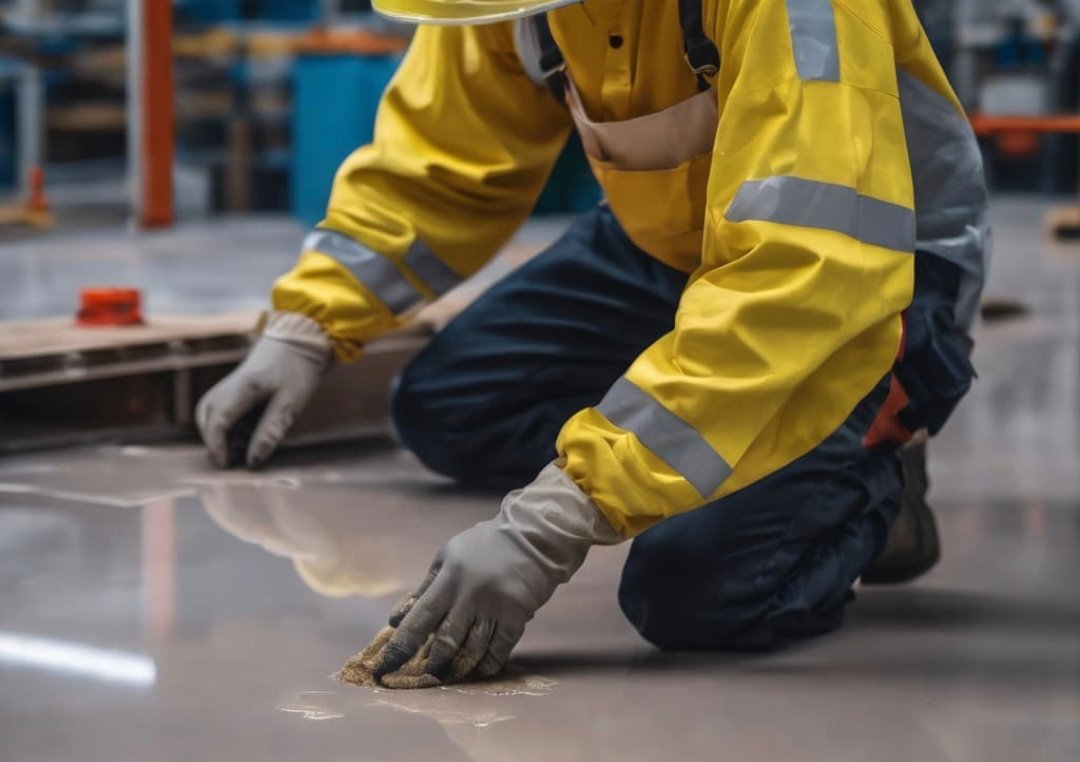
When property owners look for durable surface upgrades, epoxy flooring stands out as one of the most reliable, cost-effective, and visually striking options available for modern buildings. Whether you want to install flooring in a commercial warehouse, an industrial facility, or a residential garage, high-performance resins can completely transform the look and utility of the space. Hiring a qualified epoxy contractor for flooring installation ensures that the concrete substrate receives professional treatment, proper chemical bonding, and a top-quality finish designed to withstand heavy wear for years. This comprehensive guide explores the advantages of resin systems, the importance of hiring an experienced professional, and what property owners should expect during every phase of the installation process.
Understanding Different Epoxy Systems for Concrete Floors
Epoxy flooring systems involve applying layers of specialized polymer materials made from a mixture of resins and hardeners directly onto a prepared concrete substrate. When these two chemical components mix together, they trigger a reaction that forms a rigid, plastic-like surface possessing high tensile strength and chemical resistance. Because these coatings can accept various color pigments, decorative flakes, and metallic additives, epoxy coatings provide versatile design possibilities for multiple environments.
Different spaces require different structural formulations:
- Self-Leveling Epoxy: This formulation creates a smooth, seamless finish and is frequently chosen for interior commercial showrooms, hospitals, and modern residential living areas where aesthetics matter.
- Epoxy Mortar Floors: Composed of graded quartz or sand mixed with high-grade resins, this is the strongest system available and handles heavy industrial machinery or warehouse traffic with ease.
- Epoxy Flake Floors: Colored vinyl chips are broadcast into a pigmented base coat and sealed with a clear topcoat, providing subtle texture and slip resistance in garages and retail shops.
- Graveled Epoxy Floors: Featuring decorative colored aggregates or custom logos embedded into the resin, this choice creates distinctive visual branding in high-end corporate entryways.
- Anti-Static Epoxy Floors: Designed with conductive elements, these specialized floors safely dissipate electrostatic discharges in sensitive electronics manufacturing plants and laboratories.
Realistic Cost Breakdown for Epoxy Projects
The total investment for a professional installation typically ranges from $3 to $12 per square foot depending on project scope and material selection. Basic solid-color coatings sit at the lower end of the pricing spectrum, while decorative flake systems, metallic blends, and heavy-duty mortar setups command higher rates because of specialized labor and material costs. Property owners must also account for potential preparatory fees, such as concrete grinding, extensive crack repair, or moisture barrier application, which ensure the longevity of the finished surface.
Why Surface Preparation and Moisture Testing Matter
Surface preparation is the single most important factor determining whether an epoxy floor will bond permanently or delaminate within months. Professional contractors utilize heavy-duty diamond grinders or shot blasters to open the pores of the concrete slab and remove any old sealers, paint, or oil contamination. Before any resin touches the concrete, technicians also perform moisture vapor emission testing to measure hydrostatic pressure. If moisture levels in the slab are too high without a specialized vapor-mitigating primer, trapped vapor bubbles can cause bubbling, peeling, and complete system failure.
How to Choose and Vet a Qualified Flooring Specialist
Selecting a qualified specialist requires looking beyond the initial price estimate and verifying technical credentials, insurance coverage, and past project portfolios. Property owners should always ask potential candidates about their specific training, the exact brand of resin products they use, and whether they provide a workmanship warranty against peeling or bubbling. Furthermore, verifying valid contractor licensing and general liability insurance protects property owners from unexpected liabilities during heavy job-site operations.
Step-by-Step Resin Application Timeline
Understanding the multi-day installation timeline helps property owners prepare their spaces for heavy equipment and restricted access. The process begins with thorough mechanical surface preparation and deep vacuuming to eliminate dust particles. Next, technicians apply a deep-penetrating primer coat that locks into the concrete pores. Once the primer cures, the body coat is rolled or squeegeed onto the floor, followed immediately by any decorative color flakes or metallic swirls if requested. Finally, a protective clear topcoat—often made of polyaspartic or polyurethane—is applied to protect the floor against UV yellowing, scratches, and harsh chemical spills.
Maintenance Guidelines and Long-Term Care
Maintaining resin floors requires simple routine cleaning combined with prompt attention to corrosive automotive fluids, harsh winter salts, or abrasive grit. Regular sweeping and damp mopping with a neutral pH cleaner keep the surface free of abrasive dirt particles that could dull the high-gloss shine over time. While standard epoxy resins can yellow when exposed to direct sunlight, modern installations utilizing UV-stable topcoats retain their clarity and color vibrancy even in sunlit spaces. For those seeking alternative upgrade ideas across the home or garage, exploring options like our guide on expert electrical installation service for your home can help tie together a comprehensive property renovation plan.
Frequently Asked Questions
How long does professional epoxy flooring take to cure?
Light foot traffic is typically permitted after 24 hours, but full chemical curing and heavy vehicle parking usually require 3 to 7 days depending on ambient humidity and temperature.
Can epoxy flooring be installed over damaged concrete?
Yes, professional contractors can repair cracks, pits, and spalls using specialized epoxy patch compounds before applying the main coating system.
Does epoxy flooring become slippery when wet?
Standard smooth gloss epoxy can become slick when wet, but professional installers can broadcast anti-slip aggregate additives into the topcoat to improve traction.
How long does a professionally installed epoxy floor last?
With proper maintenance and quality installation, a commercial-grade epoxy floor can easily last between 10 to 20 years or more.
Is DIY epoxy kit installation comparable to professional work?
DIY kits bought at home improvement stores use thinner, water-based formulas and lack industrial diamond grinding preparation, leading to much shorter lifespans and easier peeling.
What causes epoxy floors to peel or bubble?
Peeling is usually caused by inadequate concrete surface preparation, oil contamination, or unmitigated moisture vapor rising through the concrete slab.
Disclaimer: Flooring specifications, resin formulations, and installation methods can vary based on manufacturer guidelines and environmental job-site conditions. Property owners should always consult directly with certified local contractors to obtain accurate project estimates and tailored technical recommendations.

Daniel J. Morgan is the founder of Invidiata Magazine, a premier publication showcasing luxury living, arts, and culture. With a passion for excellence, Daniel has established the magazine as a beacon of sophistication and refinement, captivating discerning audiences worldwide.


