

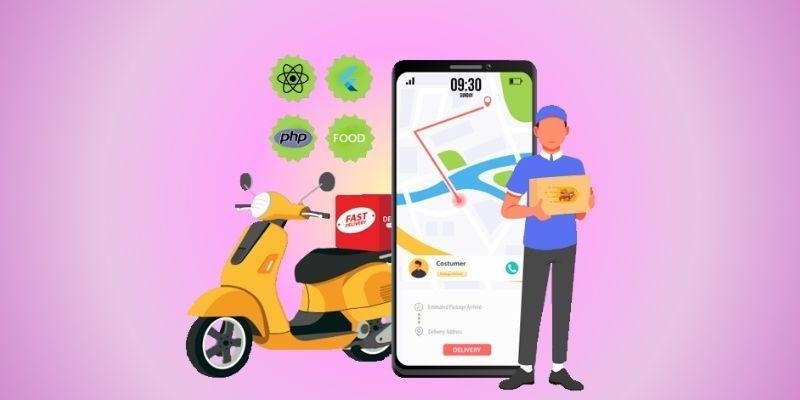
Mobile applications have completely transformed our everyday eating habits and dining patterns. Opening a smartphone app, choosing a preferred meal, and having a hot order delivered to the doorstep within minutes represents modern convenience. Today’s on-demand meal delivery culture has become an essential part of daily life for millions of consumers worldwide. Growing consumer demand and continuous software innovation keep driving the online food delivery app development sector forward.
Understanding the actual financial investment required to build such a platform is critical for anyone entering this competitive market. Launching a mobile application with creative features that stand out requires significant capital. Because budget constraints often challenge new food tech startups, examining every detail that influences the final price helps business owners plan more efficiently.
Why the Demand for Food Delivery Apps Continues to Grow
The demand for online food ordering solutions has experienced sustained acceleration, shifting consumer preferences toward digital convenience across global markets. Individuals regularly browse smartphone applications to order everything from restaurant meals to daily groceries and raw ingredients. Restaurants of all sizes now implement dedicated digital ordering systems to capture mobile traffic and expand their customer reach.
Beyond traditional restaurant delivery, the market now encompasses cloud kitchens, specialty bakeries, and hyper-local grocery services. As consumers increasingly favor practical and efficient food delivery choices, tech startups continue to invest heavily in robust software ecosystems. Examining recent market trends reveals that regional platforms and niche delivery models are thriving alongside global industry giants.
Estimated Pricing Tiers for Food Delivery Software
The total cost of building a food delivery application varies significantly based on project scope, feature depth, and technical architecture. Businesses can generally categorize these projects into three distinct tiers based on complexity and financial investment.
| App Tier | Core Focus | Estimated Price Range |
|---|---|---|
| Basic MVP (Minimum Viable Product) | Essential user ordering, basic restaurant listing, simple payment gateway. | $15,000 – $35,000 |
| Mid-Range Custom App | Advanced UI/UX, real-time GPS tracking, multi-vendor support, push notifications. | $40,000 – $75,000 |
| Enterprise / Advanced Solution | AI-driven recommendations, complex routing algorithms, multi-platform ecosystem, custom analytics. | $80,000 – $150,000+ |
These financial tiers provide a starting point for budgeting, though actual expenses fluctuate depending on development team hourly rates and technical specifications.
Core Panels Required for Customer and Restaurant Management
Building a complete food delivery service requires more than just a single customer-facing interface. A fully functional ecosystem typically consists of four interconnected applications, each adding to the overall development scope.
First, the Customer App handles browsing, ordering, and payment processing. Second, the Restaurant Panel allows partner kitchens to accept orders, update menus, and track preparation statuses. Third, the Delivery Driver App manages route navigation, delivery updates, and earnings tracking. Finally, the Admin Dashboard oversees user management, commission settlements, analytics, and dispute resolution. Developing this multi-app architecture requires specialized planning across database design and user experience standards. For broader insights into foundational software design principles, reviewing what are the key phases of mobile app development offers helpful context on managing timelines and deliverables.
Key Features That Influence Delivery App Expenses
The complexity and number of integrated features directly dictate the final price of any custom software project. Incorporating standard functions like secure payment gateways, user profile management, and order history takes moderate development hours. However, advanced capabilities require sophisticated coding and higher expenditures.
Real-time GPS tracking requires integration with mapping APIs to allow customers to follow their delivery courier live. Push notifications keep users engaged with promotional offers and order status alerts. Furthermore, emerging tech additions like AI-driven meal recommendations or automated delivery route optimization increase initial engineering overhead. Security compliance measures, such as encryption protocols and data protection standards, also add to the overall development time and cost.
Server Hosting and Maintenance Costs After Launch
Many first-time founders focus solely on initial coding expenses while overlooking ongoing operational expenditures. Maintaining a food delivery platform involves continuous financial commitments that must be factored into the annual budget.
Server hosting and cloud infrastructure fees scale as user volume grows. Third-party APIs for mapping, SMS verification, and payment processing charge recurring subscription fees or per-transaction costs. Additionally, app store commission fees, regular software updates, security patches, and ongoing customer support require dedicated financial resources to keep the business running smoothly.
Practical Ways to Save Money on Food App Development
Startups and growing businesses can employ several strategic techniques to lower development expenses without sacrificing product quality. Prioritizing core features by launching an MVP first allows companies to test the market with limited funds before investing in advanced animations or complex custom graphics.
Utilizing reliable open-source libraries and frameworks reduces software licensing fees. Choosing cross-platform development frameworks can also minimize the need to write separate native codebases for iOS and Android simultaneously. Finally, strategic outsourcing to regions with competitive developer hourly rates helps control labor costs while maintaining high engineering standards.
Frequently Asked Questions
How long does it take to build a food delivery app?
Building a basic MVP typically takes around 3 to 4 months, while a fully custom multi-vendor enterprise platform can take anywhere from 6 to 9 months.
Is it better to build for iOS or Android first?
Choosing one platform first depends on your target demographic, though many startups use cross-platform frameworks to launch on both operating systems simultaneously within a single budget.
What are the ongoing monthly costs after launching the app?
Monthly expenses typically cover cloud server hosting, mapping and SMS API subscriptions, customer support tools, and periodic software maintenance updates.
How can I reduce UI/UX design costs?
Using clean, minimalist UI templates and established design systems reduces custom graphic design hours while maintaining a smooth user experience.
Do I need separate apps for drivers and restaurants?
Yes, an efficient food delivery ecosystem requires distinct interfaces for customers, delivery couriers, restaurant partners, and system administrators.
Can I add AI features later on?
Starting with basic ordering and scaling up to AI recommendations or advanced route optimization in later software updates is a common and cost-effective approach.
Disclaimer: Development costs and timelines provided in this guide are general estimates based on industry averages. Actual project pricing varies depending on unique business specifications, custom feature requirements, and chosen development partners. Readers should consult directly with official software development agencies for precise quotes.


