

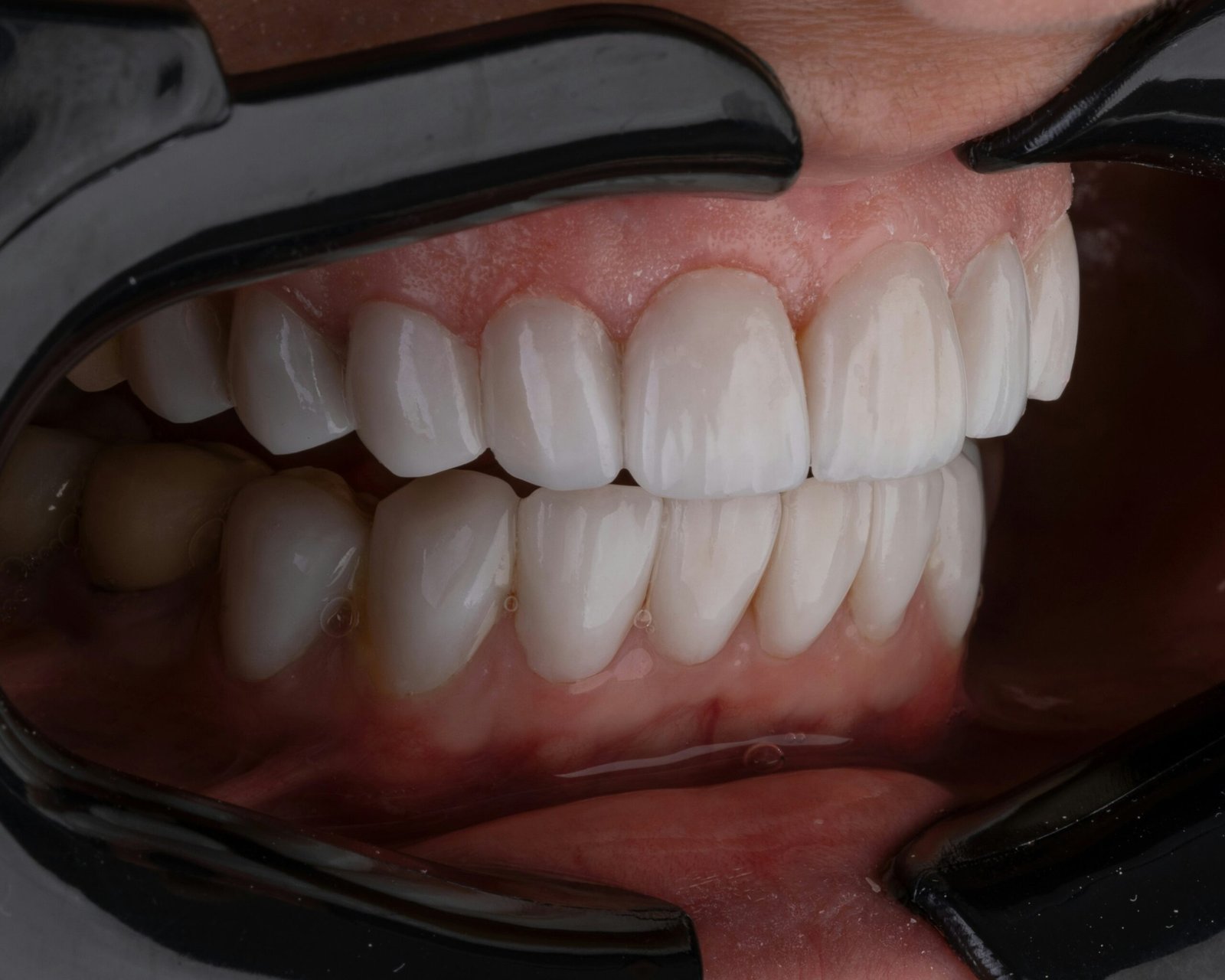
Photo by Kamal Hoseinianzade on Unsplash
Dealing with a relentless pulse of discomfort inside your jaw can disrupt your entire day, making it difficult to concentrate on work, enjoy meals, or get a restful night of sleep. When you experience a throbbing pain in a tooth, it usually signals that something is wrong deep inside the dental structure rather than just a mild surface irritation. Knowing which options are available helps you move from temporary comfort to lasting physical relief.
Understanding how different dental interventions address the root cause of your discomfort allows you to make informed decisions before visiting a dental professional. Let us examine the specific steps and procedures that bring relief when your tooth begins to ache persistently.
Decoding the Pulse: What Nerve Irritation Tells You
A throbbing pain in a tooth specifically indicates that the delicate nerve endings and soft pulp inside the chamber are heavily inflamed or fighting off bacterial invasion. Unlike a dull, steady ache caused by minor gum sensitivity, a rhythmic pulse often matches your heartbeat because blood flow increases around the irritated nerve. This internal pressure builds up rapidly when decay reaches deep layers or when a physical crack exposes the sensitive interior.
Ignoring this pulsating signal rarely leads to improvement because the underlying inflammation usually spreads further into the surrounding jaw tissue. Identifying this distinct pattern helps dental practitioners determine whether a simple filling will suffice or if more advanced endodontic therapy is required.
Bridging the Gap With Interim Comfort Measures
Over-the-counter medications and traditional comfort measures offer temporary relief while you wait for a formal dental appointment. Non-steroidal anti-inflammatory drugs like ibuprofen or naproxen help lower tissue swelling around the root, while acetaminophen serves as a workable alternative for reducing overall discomfort.
At-home steps can also soothe the area temporarily without replacing professional care. Rinsing your mouth gently with warm salt water cleans away debris and reduces minor gum irritation near the affected spot, and holding a cold compress against the outside of your cheek helps numb the pulsating sensation. If you want to explore broader approaches to handling physical discomfort, you can also read comprehensive pain relief strategies for general wellness insights.
Targeted Restorations for Cavities and Minor Decay
Standard dental fillings provide a permanent solution when the throbbing originates from a localized cavity or mild structural decay. When a dentist discovers that decay has breached the outer enamel layer, they carefully clean out the compromised material and fill the cavity using durable composites, amalgam, or porcelain.
This procedure seals off the exposed dentin from outside bacteria and restores normal biting strength to the tooth. Catching decay early enough for a simple filling prevents the inner nerve from becoming fully infected and stops the throbbing sensation from returning.
Endodontic Interventions to Rescue Damaged Pulp
Root canal therapy becomes necessary when bacteria penetrate past the outer layers and infect the sensitive pulp tissue deep inside the root canals. During this procedure, the dentist or endodontist carefully removes the diseased pulp, disinfects the internal chamber, and seals the space with a biocompatible material to stop future bacterial growth.
While many people feel anxious about hearing they need a root canal, modern local anesthetics ensure the procedure is comfortable and virtually pain-free. Eliminating the infected tissue resolves the intense pulsating ache at its source and preserves your natural tooth structure.
Structural Reinforcement Through Custom Dental Crowns
A dental crown provides essential structural reinforcement after a tooth has undergone a root canal or suffered extensive structural damage from a deep fracture. This custom-crafted cap covers the entire visible portion of the tooth down to the gum line, distributing chewing forces evenly across your bite.
Teeth that have experienced severe internal inflammation remain fragile even after the infection is completely cleared away. Placing a crown shields the vulnerable structure from future fractures and prevents new bacteria from entering the inner canals.
Navigating Infection Controls and Urgent Dental Care
Antibiotics are prescribed strictly when an infection spreads beyond the root tip into the surrounding bone or facial soft tissues, helping to control bacterial proliferation and reduce severe swelling. However, antibiotics do not fix the structural damage or remove the dead tissue inside the tooth, meaning definitive dental work is still required to cure the problem.
You should seek emergency dental intervention immediately if your toothache is accompanied by a high fever, visible facial swelling, trouble swallowing, or a foul-tasting discharge. These warning signs often point to a dental abscess, which requires urgent professional drainage and care to protect your general health.
Frequently Asked Questions
Why does a throbbing toothache feel much worse at night?
Lying flat increases blood pressure in your head and jaw area, which directly amplifies the pressure on the inflamed nerve inside your tooth and makes the pulsating sensation feel stronger.
Can a throbbing tooth go away completely without a dentist?
A throbbing toothache rarely resolves on its own because it indicates active inflammation or bacterial infection that requires professional dental intervention to cure.
Are home remedies enough to cure a deep tooth infection?
Home remedies like salt water rinses and cold packs offer temporary comfort but cannot cure an internal bacterial infection or repair structural damage inside the tooth.
Is a root canal procedure painful to experience?
Modern root canal treatments are performed under local anesthesia, making the experience very similar to getting a standard filling while successfully ending the severe pain caused by infection.
What happens if an infected tooth is left without treatment?
Leaving an infected tooth untreated allows bacteria to spread into your jawbone, surrounding tissues, and bloodstream, leading to serious systemic health complications.
How can I prevent severe throbbing tooth pain in the future?
Practicing consistent daily brushing and flossing combined with regular professional dental checkups helps catch decay early and prevents severe toothaches before they develop.
Disclaimer: The details shared in this article are intended for educational guidance and should not replace professional medical or dental evaluation. If you are experiencing intense dental discomfort or signs of an infection, consult a qualified dentist promptly to receive an accurate diagnosis and treatment plan.


