

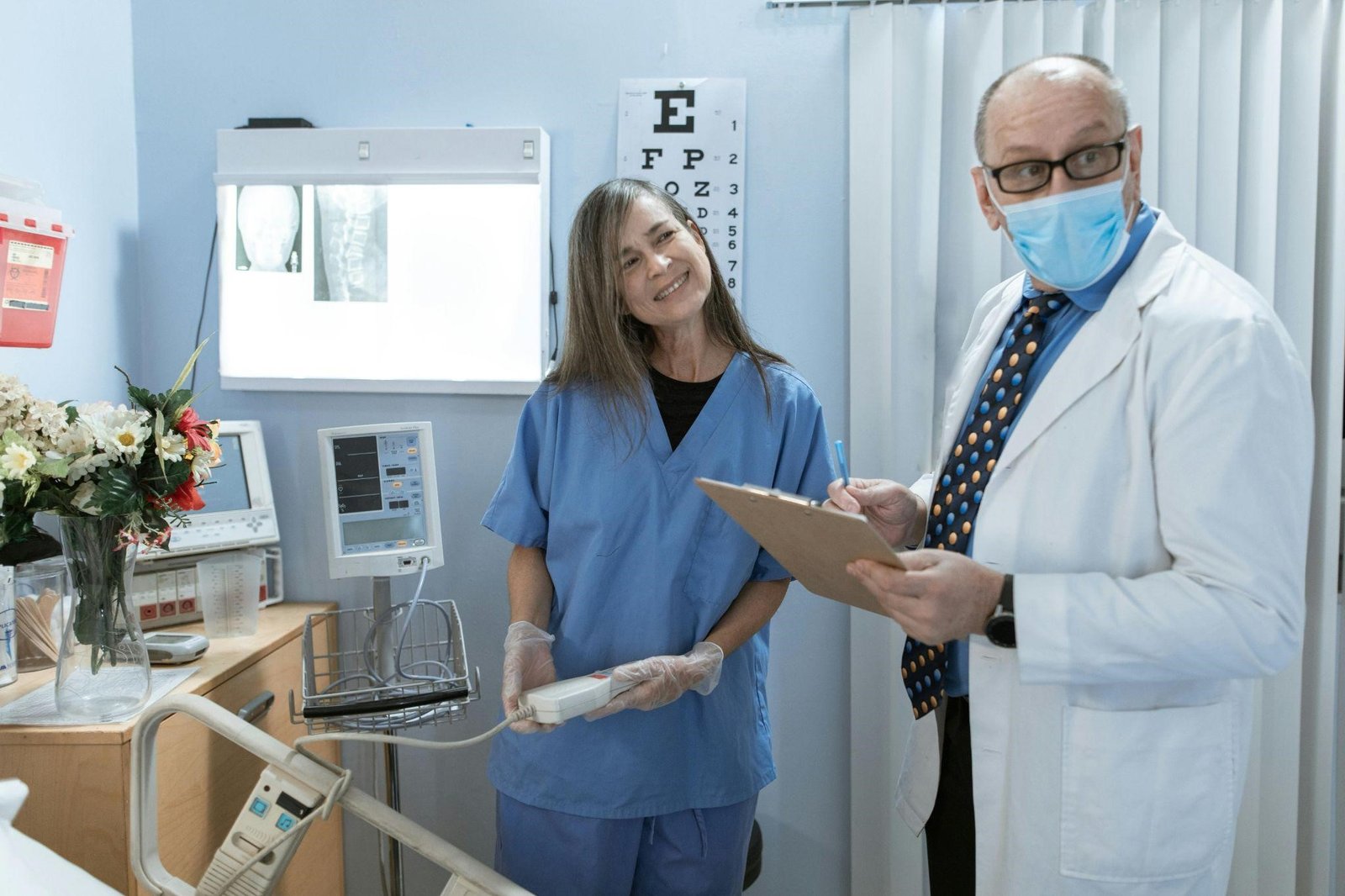
Are you a registered nurse thinking about advancing your career? The healthcare field is constantly evolving, and staying ahead often means pursuing higher education. One significant step you can take is earning a Bachelor of Science in Nursing (BSN). This degree opens up new career opportunities, improves your clinical skills, and enhances your overall job satisfaction.
Let’s explore why earning a Bachelor of Science in Nursing is beneficial for registered nurses and how it positively impacts clinical practice, professional growth, and patient outcomes.
How a BSN Expands Beyond Your Associate Degree
A Bachelor of Science in Nursing builds directly upon the foundational knowledge gained in an associate degree program by diving deeper into evidence-based practice, patient care technology, leadership, and healthcare systems.
While an associate degree teaches you how to perform bedside nursing tasks safely, a BSN program expands your perspective to include population health, nursing informatics, and systemic healthcare policy. BSN programs emphasize evidence-based practice, which is crucial in modern healthcare environments. Nurses learn how to critically analyze research literature and apply valid empirical findings directly to clinical routines. This approach ensures that patient interventions are grounded in the latest scientific evidence, leading to safer and more effective outcomes. For instance, a BSN-prepared nurse can implement new hospital protocols and treatment guidelines based on current research much more efficiently, improving overall patient safety.
Career Advancement and Higher Earning Potential for BSN Nurses
Earning a Bachelor of Science in Nursing makes registered nurses eligible for a significantly wider range of job roles, many of which come with higher salaries, regular weekday schedules, and greater leadership responsibilities.
Hospitals and healthcare facilities frequently require a BSN for specialized departments, management positions, or non-bedside career paths. Common roles available exclusively or preferentially to BSN-prepared nurses include Public Health Nurses, Clinical Research Nurses, and Case Management Nurses. Public Health Nurses play a vital role in improving community well-being by educating the public, developing health programs, and advocating for policy changes. Clinical Research Nurses are involved in conducting clinical trials and research studies that contribute directly to advancements in medical science and treatments.
Proven Impact on Patient Outcomes and Hospital Safety
Extensive healthcare research demonstrates a direct correlation between higher percentages of BSN-prepared nurses on hospital staff and significantly lower patient mortality rates.
Hospitals employing a higher proportion of BSN graduates report fewer medication administration errors, reduced rates of hospital-acquired complications, and better overall patient recovery metrics. This improvement stems from the enhanced critical thinking, complex problem-solving, and advanced clinical judgment cultivated throughout a four-year university nursing curriculum. Nurses trained at the baccalaureate level are taught to evaluate complex, multi-system patient situations, consider underlying physiological factors, and coordinate multidisciplinary interventions effectively.
Navigating Flexible Online RN to BSN Programs
For working registered nurses balancing shift work and family commitments, modern online RN to BSN programs offer the necessary flexibility to complete higher education without pausing their careers.
Most accredited online bridge programs are specifically tailored for working professionals, featuring asynchronous coursework and flexible clinical requirements that can be completed locally. While some aggressive marketing claims advertise unrealistic completion windows, a standard accelerated online RN to BSN program typically takes between 9 to 18 months depending on transfer credits and part-time or full-time enrollment status.
Employer Support, Magnet Status, and the “BSN in 10” Movement
Healthcare organizations nationwide heavily incentivize nurses to earn their degrees due to industry accreditation standards and institutional quality goals.
Organizations like the American Association of Colleges of Nursing (AACN) and the Magnet Recognition Program championed by the American Nurses Credentialing Center place a high premium on baccalaureate-prepared nursing staff. Many hospital systems support this through generous tuition reimbursement programs or direct pay bumps for nurses who complete their bachelor’s degree. Additionally, legislative pushes such as “BSN in 10” laws in various states require registered nurses to obtain their BSN within ten years of initial licensure.
Beyond career advancement in clinical healthcare settings, many professionals also explore specialized postgraduate credentials to further diversify their expertise and leadership capabilities in administrative roles.
Frequently Asked Questions About Earning a BSN
Can I work full-time while completing an RN to BSN program?
Yes, the vast majority of registered nurses continue working full-time or part-time while enrolled in online RN to BSN programs because the coursework is designed for busy schedules.
Do I need to complete clinical hours at a hospital for an online BSN?
Most RN to BSN programs require minimal clinical hours, often completed through community health projects, leadership observations, or workplace practicums rather than bedside nursing shifts.
Will earning a BSN automatically increase my salary?
Many hospitals offer differential pay rates for BSN-prepared nurses, and the degree qualifies you for higher-paying leadership, management, and specialized nursing positions.
What is the Magnet hospital preference for BSN nurses?
Magnet-designated hospitals strive for high percentages of BSN-prepared nursing staff to meet rigorous national standards for nursing excellence and patient safety.
Is an associate degree in nursing becoming obsolete?
Associate degree nurses remain in high demand for entry-level hiring, but employers increasingly prefer or require nurses to obtain a BSN within a few years of being hired.
What is the minimum time needed to finish an online RN to BSN?
While competency-based models allow motivated students to progress quickly, standard accelerated online bridge programs generally require at least 9 to 12 months.
Disclaimer: Educational requirements, tuition rates, and employer policies vary by institution and state. Registered nurses should verify program accreditations and specific degree prerequisites directly with official academic and employer sources before enrolling.

Daniel J. Morgan is the founder of Invidiata Magazine, a premier publication showcasing luxury living, arts, and culture. With a passion for excellence, Daniel has established the magazine as a beacon of sophistication and refinement, captivating discerning audiences worldwide.


