

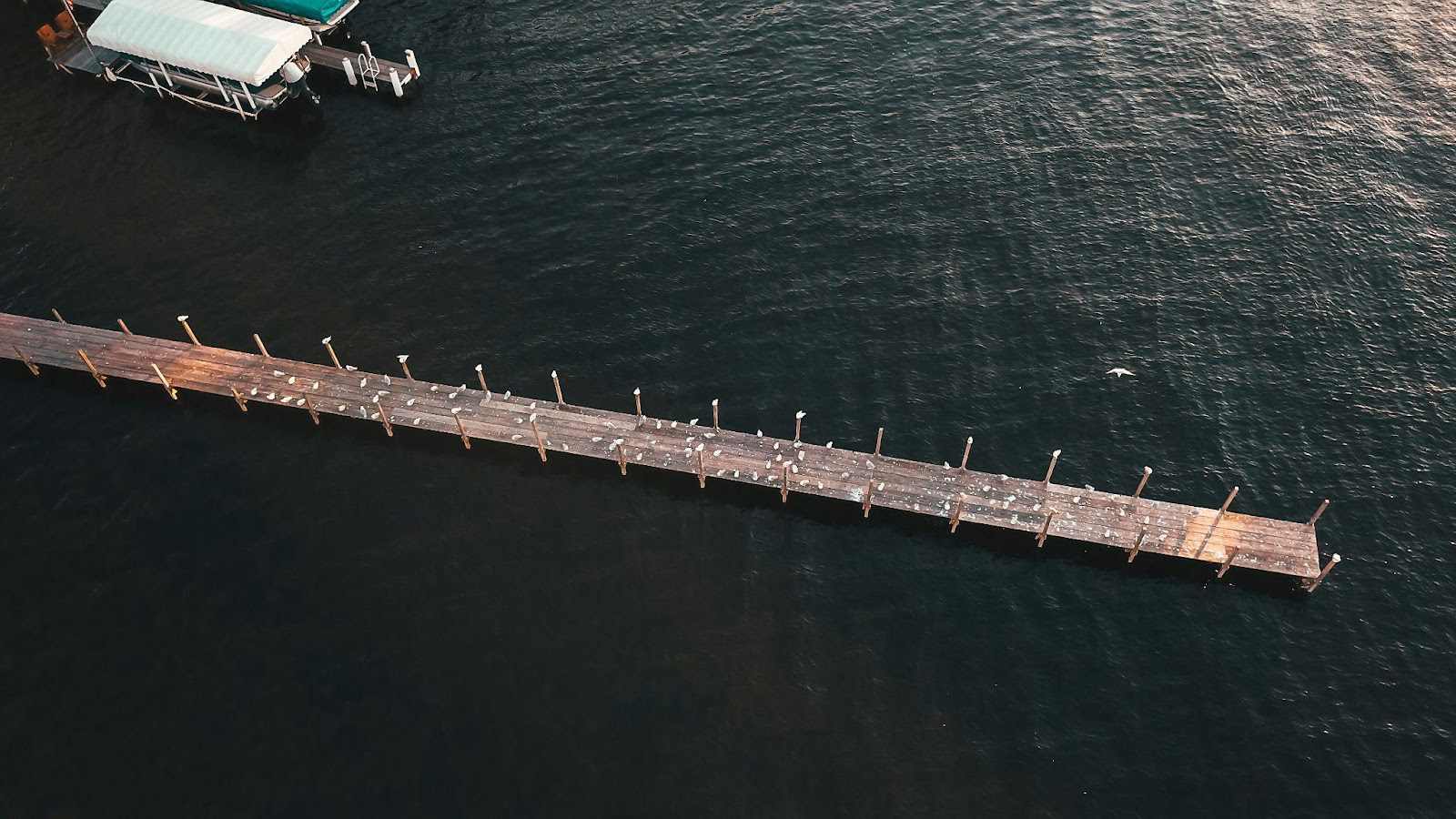
Sourcing dependable marine infrastructure requires careful evaluation of structural integrity, engineering capabilities, and long-term vendor support to ensure waterfront investments withstand harsh environmental conditions. Choosing a reliable floating dock supplier is very important, especially when it comes to the safety and longevity of your waterfront setup. Since there are a large number of suppliers in the marine industry, it becomes crucial to understand what technical criteria should be used in order to make the right choice.
Differentiating Commercial and Residential Marine Infrastructure
Commercial waterfront projects demand entirely different performance parameters and stability thresholds than private residential setups.
When evaluating a potential vendor, you must determine whether their floating dock systems are engineered for high-traffic public use or light recreational enjoyment. Marinas, tour boat operators, and commercial waterfront businesses experience continuous lateral stress, heavy mooring loads, and frequent vessel impacts that quickly warp subpar materials. A dependable floating dock supplier will offer specialized heavy-duty anchoring kits, reinforced perimeter frames, and certified load-bearing calculations tailored specifically to commercial operating realities.
Analyzing Polymer Durability and Extrusion Quality
The longevity of any floating dock system hinges entirely on the quality of its primary constituent polymers and rotational molding precision.
High-Density Polyethylene (HDPE) remains the gold standard because it resists ultraviolet degradation, saltwater corrosion, and impacts without cracking. However, not all HDPE manufacturing processes are identical, as wall thickness and resin purity dictate whether floating dock blocks will withstand extreme freezing temperatures or intense tropical heat. When reviewing technical data sheets from a floating dock supplier, check for uniform wall thickness measurements and verify that ultraviolet stabilization compounds are blended directly into the resin rather than applied as a superficial coating.
Inspecting Modular Design Flexibility and Connection Hardware
Waterfront layouts rarely conform to uniform geometric shapes, making modular design flexibility a vital procurement factor.
An experienced floating dock supplier should provide versatile cube blocks and slip configurations that adapt easily to irregular shoreline contours, fluctuating water levels, and future expansion goals. Furthermore, pay close attention to the mechanical locking pins and connecting lugs that hold the modular pontoons together, as low-grade plastic connectors shear under heavy wave action. Securing infrastructure components that utilize heavy-duty polymer or stainless steel fastening hardware ensures the entire dock assembly moves harmoniously with shifting tides.
Reviewing Warranty Terms and Manufacturer Technical Support
Comprehensive structural warranties protect waterfront buyers against premature material failure and unexpected replacement expenses.
Before signing a procurement agreement with any floating dock supplier, examine the exact terms of their warranty coverage regarding fading, cracking, and structural buoyancy loss. A reputable manufacturer will stand behind their marine systems with a multi-year or decade-long guarantee while providing responsive technical support for installation challenges or storm recovery. Balancing these long-term maintenance realities requires careful fiscal planning, much like implementing smart financial asset allocation to ensure capital expenditures deliver sustained operational value over time.
Verifying Vendor Credibility and Environmental Compliance
Investigating a manufacturer’s past project portfolio and environmental compliance standards prevents costly project delays and regulatory fines.
Request verifiable case studies, references from past commercial clients, and documentation proving that their manufacturing practices adhere to local marine environmental protection codes. Because quality HDPE floating docks are fully recyclable and do not leach harmful chemicals into marine ecosystems, partnering with an eco-conscious floating dock supplier also helps businesses meet their corporate sustainability targets.
Key Questions to Ask Before Finalizing Your Vendor Contract
Directly interrogating sales representatives with targeted technical inquiries uncovers hidden limitations before funds are committed.
Ask your prospective floating dock supplier to clarify their exact resin grade origins, expected delivery timelines, load test certifications, and recommended anchoring specifications for your specific local water depth and current speed. Establishing these performance expectations in writing eliminates ambiguity and protects your waterfront investment from preventable operational failures.
Summary Verdict on Selecting a Marine Partner
Selecting the ideal marine infrastructure partner requires balancing upfront procurement costs with long-term material resilience and manufacturer accountability.
Therefore, when selecting a supplier for floating docks, one has to carefully evaluate material specifications, modular customization potential, warranty backing, and the vendor’s overall market reputation. By systematically vetting these core criteria, businesses and property owners can secure durable, safe, and flexible dock systems that deliver dependable performance across decades of continuous marine use.
What distinguishes commercial floating docks from residential ones?
Commercial floating docks require heavier load capacities, thicker HDPE walls, and reinforced anchoring systems to handle constant public traffic and larger vessels.
Why is High-Density Polyethylene preferred for floating docks?
High-Density Polyethylene resists rust, marine growth adhesion, and ultraviolet degradation while offering exceptional impact resistance in rough water conditions.
How do modular floating dock systems accommodate future expansions?
Modular floating docks use interlocking pins and configurable blocks that allow owners to easily attach new slips, fingers, or platforms as waterfront needs evolve.
What should a standard floating dock manufacturer warranty cover?
A robust warranty should protect against structural cracking, excessive fading, and loss of buoyancy due to manufacturing defects for at least ten years.
Are modern floating dock systems safe for aquatic ecosystems?
Yes, high-grade HDPE floating docks do not leach toxic chemicals into the water and can be completely recycled at the end of their operational lifecycle.
What documents should I request from a floating dock supplier?
Always request resin grade data sheets, load-bearing test reports, past commercial project references, and comprehensive installation guidelines.
Disclaimer: The details outlined in this procurement guide are for general informational purposes only. Marine manufacturing specifications, material costs, and warranty terms can change over time. Buyers should verify all engineering certifications and contractual agreements directly with official supplier sources before making purchasing decisions.


