

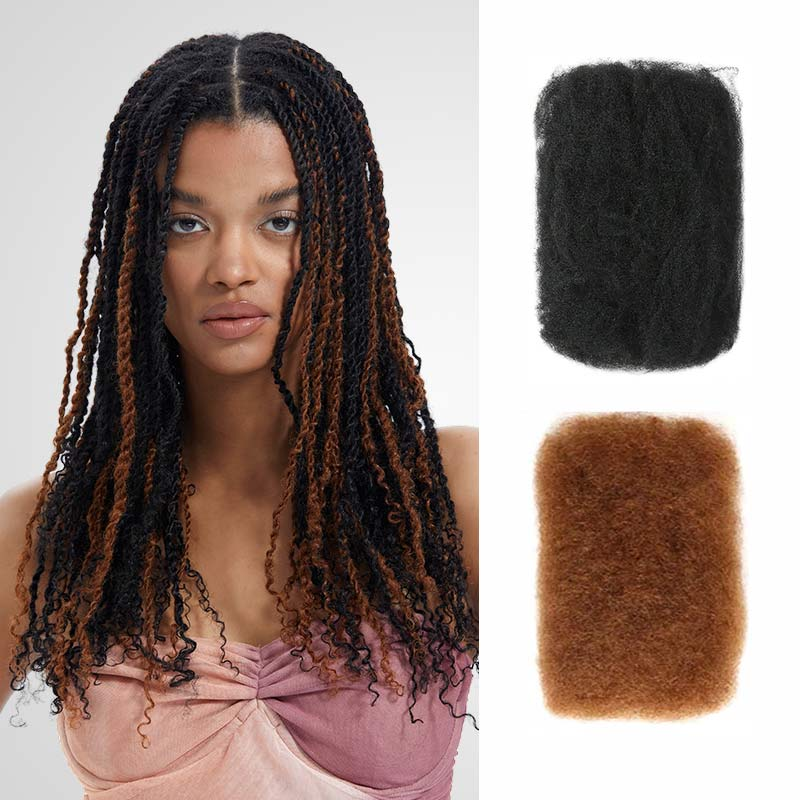
When it comes to hair styling, few textures hold as much cultural significance and versatility as afro kinky hair. From gorgeous braids that turn heads to intricate protective styles that showcase creativity, afro kinky human hair for braiding is a choice steeped in history and natural beauty. Whether you are looking to make a bold statement or simply embrace your natural roots, opting for afro kinky braiding hair can transform your look while celebrating the rich legacy of Afro hairstyles. In this post, we will explore why choosing afro kinky hair is not just a style but an expression of identity and pride. Get ready to dive into the world of vibrant textures and endless creative possibilities.
Why Coarse Coils Outperform Silky Textures in Protective Styling
Coarse coils outperform silky synthetic alternatives because their tight structural geometry creates an instant, slip-resistant mechanical bond with natural hair strands.
When working with coily hair textures, smooth and slippery extensions tend to slide right out of the natural root bed, which leads to premature unraveling and a messy finish. Afro kinky human hair features a natural surface friction that grips tightly onto native strands without requiring excessive braiding tension or sticky adhesives. This natural grip keeps twists and braids intact for weeks longer while eliminating the distracting shine often seen with synthetic fibers. Furthermore, choosing real human hair extensions allows you to wash, color, and treat the braided installation just like your own growing hair. For those looking to establish a solid foundation for styling longevity, how to design a healthy hair regimen offers great insight into moisture balance and daily maintenance habits.
Decoding Curl Geometries From 3B Ringlets to 4C Coils
Decoding curl geometries from 3B ringlets to 4C coils ensures that your extension selection visually disappears into your natural leave-out.
Choosing the correct grade of afro kinky hair requires looking closely at how your hair bends, curls, or zig-zags after a fresh wash without heavy styling products. Type 3 textures usually form springy ringlets that benefit from looser kinky-curly bulk options, whereas tight 4B and 4C patterns need deeply coiled textures to prevent an obvious line of demarcation. Matching these microscopic details guarantees that your box braids or kinky twists look organic and effortless from the root down to the ends. Taking the time to assess your strand density and shrinkage rate before purchasing hair makes all the difference in achieving a professional salon look at home.
| Curl Classification | Physical Characteristic | Recommended Extension Type |
|---|---|---|
| Type 3B / 3C | Well-defined corkscrews and voluminous spiral curls. | Loose kinky curly bulk or wave hair. |
| Type 4A / 4B | Tight S-pattern coils or sharp Z-angle bends. | Standard afro kinky bulk or coarse twists. |
| Type 4C | Densely packed coils with minimal definition without product. | Deep coarse afro kinky human hair. |
Anatomy of Modern Protective Styles Built for Afro Textures
Modern protective styles like knotless box braids and passion twists rely on afro kinky hair to distribute weight evenly across the scalp.
Traditional tight braiding methods often pull heavily on the delicate edges of the hairline, causing long-term follicle stress. By feeding afro kinky human hair into the braid in small, gradual increments, modern installation techniques create a flat base that moves naturally with your head. Passion twists and faux locs also benefit immensely from this hair type because the coarse strands cling to each other, forming soft, bouncy locs that refuse to slip apart. For individuals interested in exploring complementary styling methods or temporary volume enhancements, reviewing natural ways to add volume to your hair without breaking the bank provides wonderful supplementary ideas. This structural reliability makes afro kinky hair the undisputed favorite for intricate, long-wearing protective looks.
Beyond structural performance, working with high-grade human hair ensures that your scalp can breathe properly throughout the wear cycle. Synthetic fibers often trap heat and moisture against the skin, leading to irritation and stubborn product buildup. Real human hair permits normal airflow and dries completely after washing, keeping your scalp comfortable and balanced.
Daily Scalp Maintenance and Nighttime Preservation Habits
Daily scalp maintenance and nighttime preservation habits are the secret to keeping your braided installation looking fresh for weeks.
Healthy braids start right at the scalp line, which requires light daily hydration using natural oils like jojoba or grapeseed oil to stop dryness. When cleaning your hair during an installation, apply a diluted sulfate-free shampoo directly to the roots and let the suds rinse downward without roughing up the braid shafts. Ensuring your braids dry completely after washing prevents mildew and unpleasant moisture odors from settling into the core of the hair. At bedtime, always secure your style inside a large silk or satin bonnet or scarf to minimize friction and control frizz while you sleep.
Historical Roots and Cultural Legacy of Coily Hair Sculpting
Afro kinky hair carries a profound historical legacy that dates back to ancient African civilizations where braiding served as a vital language of community.
Throughout African history, intricate braiding patterns communicated age, marital status, tribal lineage, and social standing within the community. During the eras of forced displacement and slavery, these same braiding techniques became silent maps for survival and powerful acts of cultural preservation. Today, the global natural hair movement honors this deep historical lineage by celebrating coily textures without conforming to Eurocentric beauty standards. Modern hairstylists continue to innovate upon these traditional methods, ensuring that ancestral pride remains woven into every contemporary protective style.
Frequently Asked Questions
Can afro kinky human hair extensions be dyed or bleached?
Yes, because afro kinky human hair is made from real human strands, it can be colored or bleached, though chemical processing should be done carefully to maintain moisture and curl integrity.
How long can afro kinky braids stay installed?
Most protective styles created with afro kinky human hair can be worn safely for six to eight weeks, provided you maintain a regular scalp cleansing and moisturizing routine.
Is human hair better than synthetic hair for kinky twists?
Human hair offers a more natural look and feel, blends seamlessly with leave-out, and can withstand heat and washing, making it superior in durability compared to synthetic fibers.
What is the best way to prevent frizz in afro kinky braids?
Sleeping with a silk or satin scarf every night, applying lightweight mousse weekly, and avoiding heavy alcohol-based styling gels will significantly reduce frizz over time.
How do I choose the correct texture grade for my hair?
Examine your natural curl pattern after washing without products. Match your extensions to that specific coil tightness—ranging from 3C to 4C—for the most seamless visual blend.
Can I wash my hair while wearing box braids?
Yes, you can wash your hair by focusing a diluted sulfate-free shampoo onto your scalp and gently cleansing between the parts without roughing up the braid shafts.
Disclaimer: Hair care techniques and product recommendations can vary based on individual hair porosity and scalp sensitivity. Readers should verify final product details and consult professional stylists for personalized hair care advice.


