

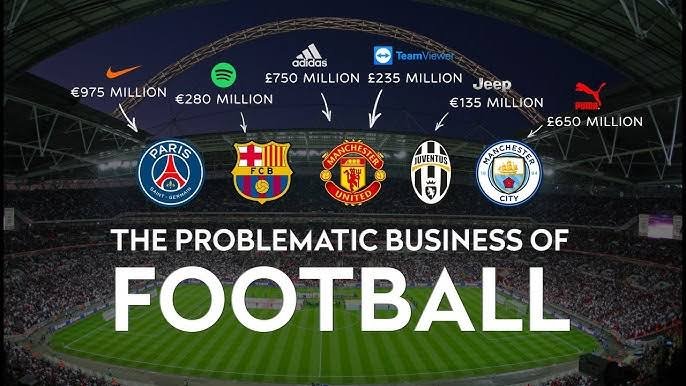
Professional football organizations operate on a financial scale that mirrors major multinational corporations. Elite organizations like Real Madrid, Manchester United, and Barcelona generate hundreds of millions in annual turnover, allowing them to fund massive player payrolls and advanced stadium facilities without collapsing under debt.
Without a doubt, football remains the most widely watched sport on earth. Every team features star athletes who capture the imagination of millions of supporters worldwide. Yet financing these multi-million-pound operations requires a highly sophisticated and diversified business model. Understanding football club economics means looking far beyond the ninety minutes on the pitch to examine the distinct revenue streams keeping these massive sports enterprises solvent.
Television and Broadcasting Rights as the Primary Financial Engine
Television and streaming contracts generate the largest share of annual revenue for top-flight football leagues and their participating clubs.
Domestic and international broadcasters pay astronomical fees for exclusive rights to screen matches live to audiences around the globe. Leagues such as the English Premier League, La Liga, and the UEFA Champions League negotiate massive multi-year packages with television networks and digital streaming platforms.
Once a league collects these broadcasting fees, the central management distributes the funds among competing teams according to specific revenue-sharing formulas. A significant portion of the broadcasting pool goes to every club equally as a baseline support payment. Additional money is then distributed based on how often a team is selected for live television broadcast and where the club ultimately finishes in the final league standings. This structure ensures that even mid-table and lower-tier teams receive enough television income to remain competitive against wealthier rivals.
Stadium Operations, Matchday Gate Receipts, and Retail Merchandising
Matchday admissions, stadium hospitality, and global commercial partnerships provide a steady, reliable stream of independent revenue for professional clubs.
Ticket sales form the traditional backbone of football finance. Clubs generate matchday income by selling individual match tickets, seasonal passes, and executive hospitality packages. Modern stadiums are designed to maximize this income by featuring luxury suites, private dining areas, conference facilities, and expansive club retail stores that stay open year-round.
Beyond the stadium gates, commercial sponsorships and merchandise sales play a major role in a club’s financial health. Brands pay substantial fees to place their logos on team kits, training gear, and stadium naming rights. Furthermore, global merchandise sales generate immense income. When a club signs a high-profile player, the surge in replica shirt sales provides an immediate financial boost, though apparel manufacturers typically take a significant share of the retail profits.
Player Trading and the Economics of the Transfer Market
The football transfer market functions as a unique commercial trading arena where player registrations are bought, sold, and developed for substantial profit.
Unlike traditional corporate assets, football players are registered employees whose employment contracts hold distinct market value. Clubs often operate an asset-trading model where they scout and sign young, talented players for modest fees, develop their skills within the squad, and later sell them to wealthier clubs for massive financial returns. A player’s market value depends on a variety of factors, including their age, contract length, technical ability, international experience, and individual awards.
Bidding competition between multiple prospective buyers frequently drives transfer fees skyward. This player-trading model allows talent-producing clubs to sustain their operations and invest heavily in youth academies. For broader insights into optimizing commercial cash flows, business leaders often review solutions for efficient business operations to streamline their underlying organizational workflows.
Prize Money and Continental Tournament Windfalls
Prize money and qualification bonuses from domestic cups and continental tournaments offer massive financial windfalls for successful clubs.
Reaching the top-flight division of any major national league immediately transforms a club’s financial outlook due to central revenue sharing. Beyond regular league prize money awarded for final table positions, clubs competing in domestic knockout tournaments earn financial bonuses for advancing through each successive round. However, the true financial goldmine lies in qualification for elite international competitions like the UEFA Champions League.
Participating in Europe’s premier club competition guarantees substantial broadcast pool shares, matchday gate receipts, and performance bonuses for every match won or drawn. Reaching the knockout stages of the Champions League can inject tens of millions of pounds directly into a club’s annual budget. This influx allows ambitious teams to fund further player acquisitions and stadium expansions.
Squad Cost Ratios and Financial Sustainability Rules
Modern financial regulations require football clubs to balance their budgets and restrict excessive spending relative to their generated revenues.
In response to mounting club debts and runaway transfer inflation, governing bodies like UEFA have introduced strict financial sustainability regulations. These rules replaced older financial fair play frameworks by enforcing squad cost ratios. Clubs competing in European competitions are limited in the percentage of their defined revenue that can be spent on player wages, transfers, and agent fees.
These regulatory measures ensure that wealthy owners cannot simply inject unlimited personal wealth into a club without regard for long-term self-sustainability. Compliance requires financial transparency, careful cost management, and disciplined revenue growth. Clubs that breach these regulatory thresholds face severe sporting sanctions, including transfer bans, points deductions, and exclusion from international tournaments.
Summary of Modern Football Club Revenue Streams
Professional football entities rely on a balanced mix of broadcasting contracts, matchday admissions, player trading, and commercial sponsorships to maintain financial stability.
| Revenue Category | Primary Source | Financial Impact |
|---|---|---|
| Broadcasting Rights | Domestic and international TV deals | Largest share of income for top-tier teams |
| Matchday & Retail | Ticket sales, hospitality, and merchandise | Consistent cash flow and fan engagement |
| Player Trading | Transfer market sales and development fees | High-value capital injection for talent clubs |
| Commercial Partnerships | Kit sponsors and stadium naming rights | Global brand association and fixed income |
Common Inquiries Regarding Football Economics
How do football clubs make most of their money?
Broadcasting rights and television distribution deals typically provide the largest share of revenue for top-flight professional football clubs.
Do football clubs make a profit from selling player jerseys?
Clubs do earn substantial income from merchandise sales, though kit manufacturers usually retain a major percentage of the retail revenue from each shirt sold.
What is the purpose of UEFA financial sustainability regulations?
These regulations cap squad spending relative to club revenues to prevent excessive debt accumulation and ensure long-term financial health across professional football.
How does the transfer market help smaller clubs survive?
Smaller clubs scout and develop young talent before selling player registrations to wealthier teams for substantial transfer fees, funding their ongoing operations.
Why is qualifying for the Champions League so financially important?
Participation in the Champions League unlocks massive broadcasting payouts, gate receipts, and performance bonuses that can dramatically increase a club’s annual income.
Does ticket sales revenue alone keep football clubs afloat?
Ticket sales and matchday operations are essential, but they form only one part of a diversified business model that relies heavily on television and commercial partnerships.
Disclaimer: Football business models, broadcasting contracts, and financial regulations are subject to change. Readers should verify official financial reports and governing body guidelines for the most current data.

Passionate content writer and savvy blog publisher, Aamir crafts compelling stories and insightful articles that captivate and inform. With a knack for blending creativity and strategy, they bring fresh perspectives to every piece. Dive into their world of words and discover content that resonates.


[…] While historic multi-million pound jerseys remain out of reach for everyday enthusiasts, studying how clubs generate revenue through merchandise helps explain why historic kit designs retain such intense cultural and financial value. For related insights on how clubs generate revenue and sustain their operations, check out our guide on football business and revenue models. […]