


Finding the perfect chair for reading can truly elevate your daily relaxation and book enjoyment. Whether you are diving into a gripping historical biography or flipping through a monthly architecture magazine, the right seat makes a noticeable difference. Over the years, experimenting with various furniture styles has shown that physical comfort and anatomical support are essential to preventing muscle fatigue during extended reading sessions.
It is not just about physical softness, though, because a proper reading chair must also complement your available room dimensions and personal aesthetic preferences. Some seating options are tailored for cozy bedroom corners, while others anchor larger open-concept living rooms. Choosing the right piece invites you to sit down, unwind, and lose track of time without enduring awkward posture strains.
Why a Dedicated Reading Chair Changes Everything
A dedicated reading chair creates a distinct spatial boundary that separates your quiet literary time from household chores and distractions. Sitting on a rigid dining chair or slouching against soft sofa cushions frequently leads to neck aches, rounded shoulders, and physical exhaustion. Having a designated piece of furniture built for upright relaxation transforms reading into a restorative daily ritual rather than an uncomfortable chore.
Core Ergonomic Features Every Reader Needs
Comfort should always come first when selecting a reading seat, meaning you need a balance of supportive high-density foam and sensible spinal geometry. You want a seat surface that cradles your frame without letting you sink too low, which keeps your pelvis stable and protects your lower back. Additionally, well-positioned armrests help absorb shoulder weight during long hours of holding heavy hardcover books, while adjustable back tilt angles allow you to shift positions safely without slouching.
Comparing Reading Chair Styles: Which One Fits Your Space?
Different seating categories offer unique architectural advantages depending on your posture habits, room layouts, and physical stature. Below is a structured comparison table evaluating popular reading chair styles to help you narrow down your choices.
| Chair Style | Ideal Use Case | Support Level | Typical Footprint |
|---|---|---|---|
| Classic Lounge Chair | Curling up with thick novels and deep relaxing | Moderate to High | Large |
| Wingback Chair | Traditional decor and head support | High | Medium to Large |
| Modern Club Chair | Compact apartments and clean aesthetics | Moderate | Small to Medium |
| Ergonomic Recliner | Targeted lumbar care and posture relief | Very High | Large |
Fabric vs. Leather: Choosing the Right Upholstery
The exterior material of your furniture dictates how tactile and temperature-friendly your environment feels over extended hours. Fabric upholstery provides a softer, warmer touch right away, creating a snug atmosphere while offering countless texture variations. Leather alternatives deliver superior long-term durability and simple spill cleanup, though hides can feel chilly during cold winter evenings unless you add a cozy throw blanket.
Sizing Your Chair and Room Layout
Physical proportions matter immensely when planning furniture placement because an oversized recliner will quickly overwhelm a tight bedroom. Conversely, a chair that is too compact will leave you feeling restricted rather than relaxed. Medium-sized armchairs featuring ample seat depth allow you to tuck your legs sideways while preserving proper structural support, and leaving at least two feet of clear walking space around the perimeter keeps the room functional.
Building a Complete Reading Nook Around Your Chair
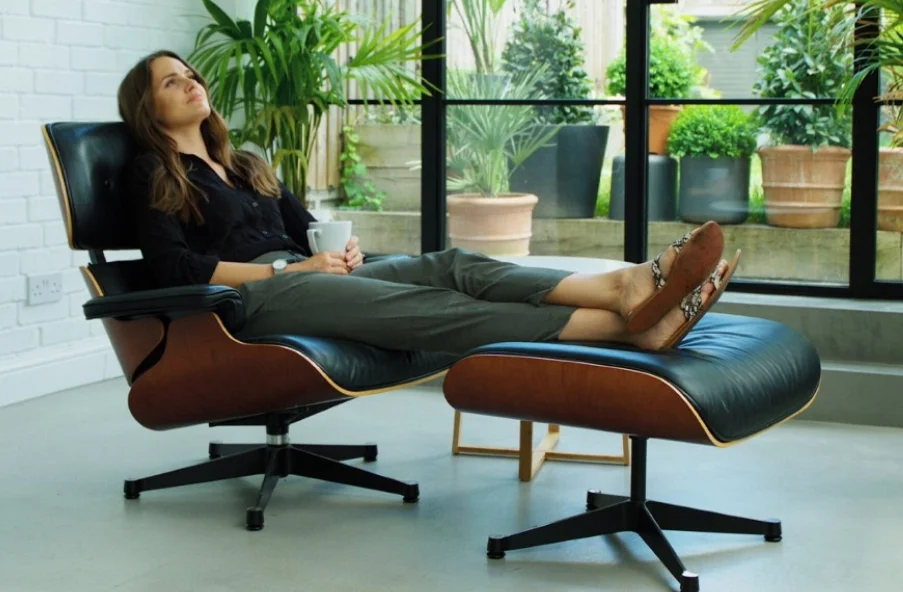
A reading chair reaches its full potential when surrounded by complementary accessories that establish a personal sanctuary. Positioning your seat near a large window captures beneficial natural daylight, while an adjustable floor lamp prevents eye strain during evening page-turning sessions. Adding a sturdy side table offers a secure surface for beverages and reading glasses. For broader interior design concepts on spatial layout and environmental arrangement, you can examine principles outlined in guides on commercial building comfort and engineering.
Frequently Asked Questions
What is the most important feature in a reading chair?
Active lower back support combined with high-resilience cushioning is critical to prevent fatigue during multi-hour reading marathons.
Are leather chairs better than fabric chairs for reading?
Leather offers exceptional durability and easy stain removal, whereas fabric provides a warmer surface texture and softer tactile feel.
How much floor space do I need for an ottoman?
You should measure enough clearance so that your legs extend comfortably without obstructing primary walking paths through the room.
Can a reading chair also double as a home office desk chair?
While some compact club chairs work fine for casual tablet use, traditional reading chairs are typically too deep for proper computer typing posture.
How do I clean fabric reading chair upholstery?
Always inspect the manufacturer tag for specific cleaning codes, and vacuum the seat crevices regularly to eliminate trapped dust and lint.
Is an Eames lounge chair good for reading books?
Yes, its engineered wood shell, angled backrest, and matching foot ottoman make it an iconic and highly supportive choice for literature enthusiasts.
Disclaimer: Furniture specifications, dimensions, and material availability can change over time. Readers should verify final product details, sizing guides, and warranty terms directly from official manufacturer sources before making a purchase.

Passionate content writer and savvy blog publisher, Aamir crafts compelling stories and insightful articles that captivate and inform. With a knack for blending creativity and strategy, they bring fresh perspectives to every piece. Dive into their world of words and discover content that resonates.


[…] aesthetics or building physical home goods, you might also draw creative spatial inspiration from choosing the best chair for reading to complement your textile color stories and upholstery […]