

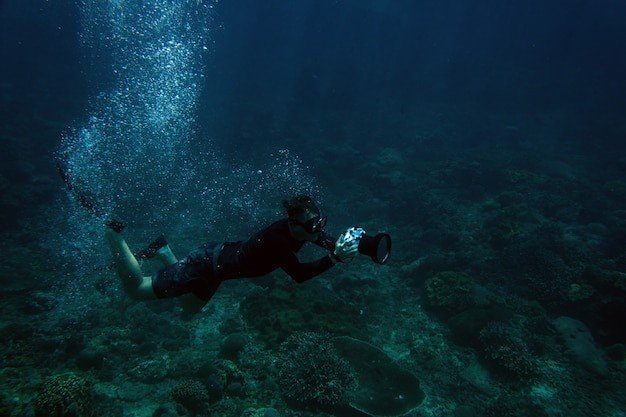
Snorkeling is a thrilling underwater experience that allows visitors to explore vibrant marine environments without extensive technical training or heavy scuba gear. With a standard mask, snorkel, and swim fins, ocean lovers can discover the breathtaking beauty of coral formations, tropical fish, and fascinating aquatic wildlife.
While daytime coastal snorkeling typically involves drifting over shallow reef flats or tide pools, nighttime marine encounters require an entirely different approach. Experiencing a guided excursion involving snorkeling with manta rays in Kona introduces travelers off the western coast of Hawaii Island to massive, gentle filter-feeders that gather in coastal waters after sunset.
For beginners, the idea of swimming in deep ocean water in the dark can feel intimidating. Knowing what to expect, understanding local commercial boat regulations, and preparing the right equipment ensures a safe and memorable evening on the water.
How Kona Nighttime Manta Tours Actually Work
Commercial manta ray snorkeling tours in Kona operate exclusively at night using specialized surface-floating lights that draw in dense clouds of microscopic plankton.
Unlike casual shore snorkeling, these excursions require booking passage with a licensed commercial boat operator departing from harbors like Keauhou. Vessels cruise a short distance to protected nocturnal feeding sites such as Garden Eel Cove. Participants enter deep open water after sunset and hold onto a large, illuminated floating raft or surface bar equipped with built-in handles. Powerful lights beam downward from the surface, attracting plankton, which in turn lures the massive manta rays directly toward the floating human observers.
Manta rays feature impressive wingspans often measuring twelve feet or more across. Despite their imposing size, these creatures have no teeth, no stingers, and no aggressive intent toward people. Watching them perform graceful barrel rolls inches below your mask is an unforgettable highlight of any Pacific vacation.
Navigating Hawaii Commercial Operator Standards and Conservation Laws
Participating in a manta ray excursion requires adhering strictly to state guidelines and commercial tour protocols designed to protect wildlife.
Manta rays in Hawaiian waters are protected under state and federal wildlife guidelines, making licensed commercial operators mandatory for all visitors. Tour companies follow strict carrying capacities and designated viewing zones to prevent overcrowding and behavioral disruption. Independent unguided night swimming in these specific feeding corridors is illegal and dangerous due to heavy marine traffic and open ocean currents.
Tour crews provide thorough pre-departure safety briefings to explain how to position your body correctly at the surface. Following these commercial guidelines ensures the animals continue returning to the same feeding stations night after night without stress.
Selecting Appropriate Thermal Gear and Night Floating Equipment
Having the correct gear tailored for nighttime ocean immersion keeps you warm and secure while floating on the surface.
While tour operators supply basic items like diving masks, snorkels, fins, and flotation belts, water temperatures after sunset can feel chilly during extended floating sessions. Wearing a neoprene wetsuit or thermal dive skin provides essential insulation against the cooling sea breeze and water. Standard masks combined with dry snorkels featuring purge valves help prevent accidental water inhalation if choppy surface ripples splash over your face.
Before heading down to the harbor, check marine weather forecasts and sea conditions. High winds or major swells can force operators to postpone departures for safety reasons.
Boarding Procedures and Water Entry Methods
Knowing the exact sequence of events from the dock to the illuminated raft removes any last-minute anxiety.
Most evening excursions begin with a check-in and safety orientation at the boat slip before boarding a motorized raft or catamaran. During the boat ride out to the feeding site, crew members distribute thermal gear and demonstrate proper entry techniques. Once the captain secures the vessel to a permanent mooring line, passengers slip into the water via a swim step or ladder and swim over to the floating light board.
Swimmers position themselves horizontally at the surface, resting their shins on a flotation noodle while gripping the frame with one hand. Keeping your body horizontal prevents your swim fins from hanging downward into the feeding path of the gliding manta rays.
Essential Ocean Etiquette and Manta Safety Protocols
Maintaining proper underwater conduct protects fragile marine biology and ensures a smooth encounter for everyone in the water.
The cardinal rule of manta ray viewing is simple: observe passively without making physical contact. Touching a manta ray strips away its delicate protective slime coating, leaving the animal vulnerable to bacterial infections. Participants must never free-dive down into the water column, chase moving animals, or attempt to grab their fins. Holding a calm, stationary posture at the surface allows the filter-feeders to approach closely under their own power.
Additionally, protect fragile local marine ecosystems by never standing on, anchoring near, or touching live coral reefs during your coastal adventures.
Managing Comfort Factors and Post-Excursion Recovery
Addressing personal comfort and post-tour care guarantees a pleasant end to your evening on the water.
Because these adventures involve boat travel out to deep ocean sites after dark, motion sickness is a potential concern for sensitive guests. Taking an over-the-counter motion sickness preventative about an hour before boarding helps prevent nausea during the boat ride. Bringing a warm towel and dry change of clothes ensures comfort on the cool evening trip back to the harbor.
If you enjoy discovering diverse international travel destinations and unique outdoor activities, you might also find helpful ideas for planning social gatherings and trips by exploring Croatia for first-time visitors when expanding your global travel itinerary.
After returning to shore, thoroughly rinse your snorkeling mask, snorkel, and wetsuit with fresh tap water to remove corrosive salt crystals and prevent bacterial odors. Drink plenty of fresh water or electrolyte replacement beverages to rehydrate after saltwater exposure.
Frequently Asked Questions About Kona Manta Ray Snorkeling
Do I need to be an expert swimmer to join a manta ray tour?
Advanced swimming skills are not required because participants float on the surface using flotation devices and hold onto an illuminated raft, though basic water comfort is necessary.
Are manta rays dangerous to humans?
Manta rays are completely harmless gentle giants that possess no barbs, stingers, or teeth, feeding exclusively on microscopic plankton.
Can I scuba dive instead of snorkel with the mantas?
Yes, many operators offer scuba options where certified divers kneel on the ocean floor below the surface snorkelers to watch the manta rays feed from underneath.
What should I wear on a Kona manta night snorkel?
Wear a comfortable swimsuit underneath your clothing, and bring a change of warm clothes, a towel, and a light jacket for the cool evening boat ride.
What happens if we do not see any manta rays?
While manta sightings are extremely common due to the permanent lighting systems, wild animals are unpredictable, and some operators offer standby policies if no mantas appear.
How far in advance should I book my tour?
Booking several weeks or months in advance is highly recommended because daily passenger capacities per boat are restricted by local conservation rules.
Disclaimer: Marine conditions, tour schedules, and wildlife behaviors can vary. Always confirm final itineraries, safety requirements, and operator credentials directly with official commercial providers before booking your excursion.

Daniel J. Morgan is the founder of Invidiata Magazine, a premier publication showcasing luxury living, arts, and culture. With a passion for excellence, Daniel has established the magazine as a beacon of sophistication and refinement, captivating discerning audiences worldwide.


