

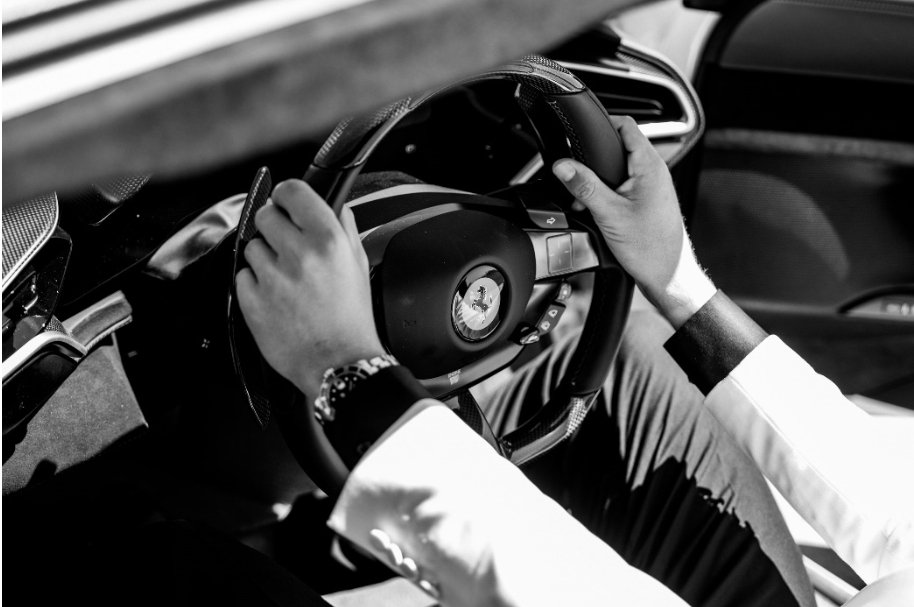
Watches have long transcended their basic function of timekeeping to become powerful symbols of status, success, and personal identity. These meticulously crafted pieces of art often carry a deep sense of history and tradition, making them much more than mere accessories—they are definitive statements of individual achievement.
Whether passed down through generations or acquired as a hard-earned personal milestone, watches embody the essence of excellence and the pursuit of mastery. In this article, we will examine the specific ways horological choices communicate professional standing, the harmonious balance between smart wearables and traditional masterworks, and how professional maintenance safeguards your investment.
Why Traditional Timepieces Still Define Personal Achievement
A carefully chosen timepiece acts as a silent language of competence, revealing an appreciation for discipline, history, and craftsmanship.
In high-stakes corporate and creative environments, the watch on your wrist speaks volumes before you even utter a word. Unlike other forms of visible attire, a mechanical timepiece represents a deliberate investment in enduring quality over fleeting trends. Historical milestones like retirements and promotions were traditionally commemorated with engraved pocket watches, establishing a cultural link between timepieces and hard-earned rewards.
Today, that tradition has evolved into acquiring specific wristwatches to celebrate career leaps, major graduations, or personal triumphs. Wearing an iconic chronograph or a refined dress watch projects a sense of punctuality, accountability, and aesthetic discernment. It shows that the wearer values the invisible hours of effort required to build a successful career.
The Coexistence of Smartwatches and Luxury Horology
The modern marketplace sees luxury mechanical pieces and smart wearables serving entirely separate, non-competing psychological needs for professionals.
While smartwatches dominate fitness tracking and notifications, traditional mechanical horology occupies a completely different emotional space. An electronic gadget receives software updates and becomes obsolete within a few years, but a properly serviced mechanical caliber can function for centuries. This permanence offers psychological grounding in a world characterized by rapid technological turnover.
Furthermore, collectors increasingly look toward independent watchmakers and neo-vintage rarities to express distinct individuality. Selecting an artisanal piece bypasses mass-market uniformity, allowing the wearer to display an intimate appreciation for micro-engineering, hand-beveled bridges, and traditional gear trains.
Preserving Value: Maintenance, Service, and the Secondary Market
Preserving the functional integrity and monetary value of a luxury watch requires understanding movement servicing, gasket replacements, and secondary market provenance.
Owning a prestige watch brings the technical responsibility of routine upkeep. Mechanical movements rely on delicate lubricants that degrade over time, meaning a professional overhaul every few years is essential to prevent internal gear friction. Qualified watchmakers disassemble the entire movement, clean every microscopic component in ultrasonic baths, reassemble the escapement, and test water resistance seals.
Environmental factors like humidity, magnetic fields, and drastic temperature shifts also impact longevity. Storing fine watches in temperature-controlled boxes away from electronics protects hairsprings and delicate escapements. Additionally, maintaining complete service records and original box papers secures strong liquidity on the authenticated secondary market.
Choosing a Timepiece That Reflects Your Core Values
Choosing between minimalist dress models, robust tool watches, and precious metal complications allows you to wear a physical extension of your core values.
Your choice of watch material and dial layout should mirror your daily lifestyle and professional trajectory. A sleek stainless steel sport watch communicates adventurous utility and everyday resilience. Conversely, a solid gold case with a clean enamel dial signals traditional prestige, elegance, and milestone celebration.
Just as entrepreneurs implement careful structural frameworks for long-term growth, curating a meaningful watch collection demands patience and deliberate strategy. For insights into managing complex growth phases and structured planning, you can review our guide on small business success and legal safeguards to see how disciplined dedication translates into enduring personal and professional success.
Frequently Asked Questions
Why are luxury watches universally recognized as status symbols?
Luxury watches combine rare materials, centuries of engineering heritage, and significant financial commitment into a portable accessory that visibly signals professional accomplishment.
How often should a mechanical timepiece undergo professional service?
Most horological experts recommend servicing a mechanical watch every three to five years to refresh internal lubricants and replace worn gaskets.
Do luxury watches retain their financial value over time?
While certain high-demand models appreciate on the secondary market, watches should primarily be acquired for personal enjoyment and sentimental value rather than guaranteed investment returns.
What distinguishes a quartz movement from a mechanical movement?
Quartz movements rely on battery power and electronic crystals for high precision with minimal upkeep, whereas mechanical movements operate entirely through complex springs and wound mainsprings.
How can I protect my fine watches from environmental harm?
Keep your timepieces in dry, temperature-regulated environments away from strong magnetic fields, direct sunlight, and excessive moisture when not being worn.
Why do traditional watches persist in an era of smartwatches?
Traditional watches endure because of their artistic craftsmanship, emotional connection to milestone life events, and timeless permanence compared to disposable consumer electronics.
What should I verify when purchasing a pre-owned luxury watch?
Always confirm the seller’s authenticity, inspect original box and documentation, review the service history, and check for unoriginal replacement parts.
Disclaimer: Watch valuations, market trends, and maintenance intervals can fluctuate depending on brand specifications and prevailing economic conditions. Readers should always consult certified horological specialists and authorized service centers for specific repair or valuation assessments.

Daniel J. Morgan is the founder of Invidiata Magazine, a premier publication showcasing luxury living, arts, and culture. With a passion for excellence, Daniel has established the magazine as a beacon of sophistication and refinement, captivating discerning audiences worldwide.


