
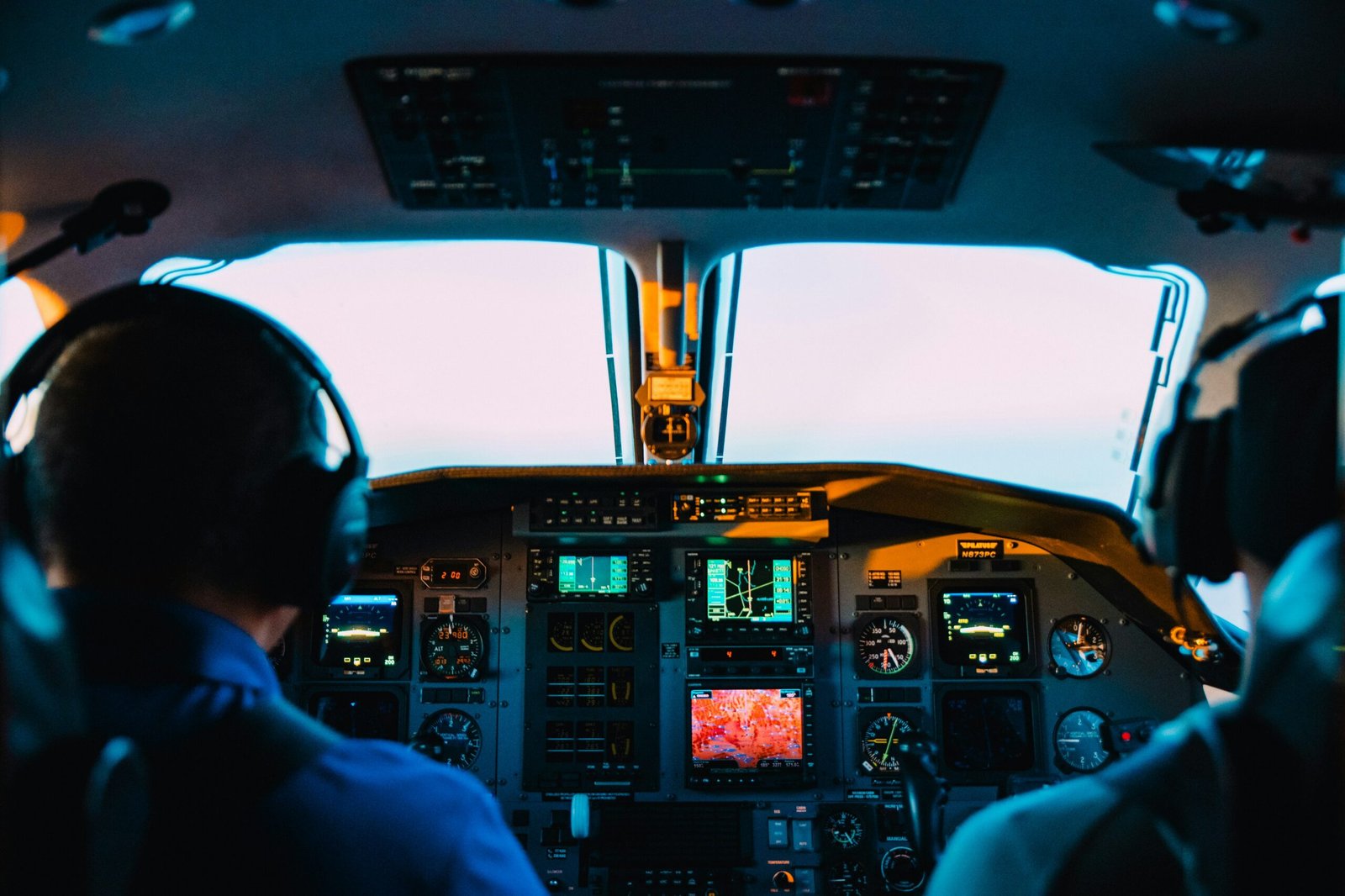
Becoming a cabin crew member is an exciting and fulfilling career, but it takes thorough training to meet the aviation industry’s high standards. Training programs teach essential skills, ranging from safety procedures and emergency response to customer care and teamwork. Trainees practice handling real-life situations, building the confidence to manage pressure and succeed. By the end of the training, participants not only understand their responsibilities but also develop the professionalism and adaptability that airlines value. This foundational preparation ensures that aspiring cabin crew members are ready to excel in the fast-paced world of aviation.
The Structure of Aviation Training: Pre-Service vs. Airline Conversion
Aviation training is structured around two distinct phases: independent pre-service certificate programs and intensive airline-specific conversion courses.
Many aspiring flight attendants start by enrolling in private aviation academies or vocational schools. These independent programs cover general aviation terminology, basic first aid, grooming standards, and initial customer service concepts. While these credentials help candidates stand out during airline recruitment drives, they do not replace the mandatory training required by commercial carriers. Once hired, candidates must complete airline conversion training. This carrier-specific phase focuses heavily on the airline’s specific fleet layout, proprietary emergency checklists, and internal standard operating procedures.
Mastering Safety, Security, and Emergency Evacuation
Safety is the absolute cornerstone of any cabin crew training program, with the vast majority of curriculum hours dedicated to mastering emergency procedures.
Trainees learn how to respond to various in-flight emergencies, including cabin fires, rapid decompression, medical incidents, and emergency water or land evacuations. Modern academies incorporate advanced tools, such as full-scale cabin mockups, fire-fighting chambers with realistic smoke, and digital evacuation slides. Trainees also utilize immersive virtual reality simulations to practice door arming and disarming procedures under high-stress conditions. The rigorous focus on safety builds a strong sense of responsibility, ensuring that crew members can react quickly and efficiently when lives are on the line.
Managing Air Rage, De-Escalation, and Modern Security Protocols
Handling unruly passengers and maintaining cabin security under pressure are critical components of contemporary aviation training.
With incidents of disruptive behavior rising globally, training academies now place heavy emphasis on verbal de-escalation techniques and conflict resolution. Instructors teach trainees how to identify early warning signs of intoxication, anxiety, or aggression among passengers. Trainees participate in role-playing scenarios designed to simulate passenger disputes and potential security threats. They also learn the legal boundaries of crew intervention, proper restraint protocols, and how to coordinate with the flight deck during heightened security alerts. These practical exercises equip flight attendants to maintain a calm, secure cabin environment even when facing difficult situations.
Customer Service Excellence and Cultural Sensitivity
Providing exceptional customer service while managing diverse international travelers is a fundamental pillar of professional flight attendant education.
Trainees are taught how to address passenger needs while maintaining a friendly, authoritative, and professional demeanor. This involves mastering effective communication, cultural awareness, and empathy to cater to passengers from varied backgrounds with mutual respect. Practical service exercises help refine interpersonal skills, ensuring that every traveler feels comfortable and valued. Beyond basic hospitality, these service standards help strengthen the airline’s reputation and brand loyalty. Customer service training prepares crew members to deliver graceful hospitality during both routine short-haul flights and multi-leg international journeys.
Crew Resource Management and Teamwork Under Pressure
A successful flight relies on seamless teamwork and structured communication between the cabin crew and the flight deck.
Through dedicated Crew Resource Management (CRM) modules, trainees learn how to coordinate effectively with their colleagues and pilots to ensure smooth operational flow. This includes practicing concise communication protocols during both routine boarding tasks and critical emergency situations. Training exercises foster mutual trust and cooperation, as crew members must rely on each other in high-stakes environments. Teamwork is essential to keeping every flight safe and running efficiently from pushback to arrival. By instilling these collaborative values, training programs prepare individuals for the tightly-knit nature of airline operations.
Adjusting to the Physical and Mental Demands of the Job
Modern training programs also prepare participants for the rigorous physical realities and lifestyle adjustments required in professional aviation.
Trainees learn about fatigue risk management systems, sleep science, and strategies for coping with rapid time zone changes and irregular schedules. Instructors emphasize physical stamina, proper ergonomics during service cart handling, and personal wellness routines that maintain immune health. Understanding these physiological impacts helps new crew members develop sustainable self-care habits early in their careers. For those interested in broadening their perspective on industry opportunities, looking into exploring diverse career paths in aviation can provide helpful context on how initial training translates into long-term professional growth.
Frequently Asked Questions About Cabin Crew Training
How long do cabin crew training programs typically last?
Most airline-specific training programs last between four to eight weeks, depending on the carrier and the complexity of the aircraft fleet.
Do I need a certificate before applying to airlines?
No, most commercial airlines provide their own comprehensive training after hiring, though independent pre-service certificates can help build foundational knowledge.
What are the physical requirements for training?
Trainees usually must meet specific height and reach requirements, pass a medical examination, and demonstrate swimming proficiency.
Is safety training physical?
Yes, safety training involves strenuous physical drills, including lifting heavy emergency equipment, opening heavy aircraft doors, and participating in pool evacuations.
How is performance evaluated during training?
Trainees face regular written exams, oral quizzes, and practical assessments in mock cabins, where failing any critical safety test usually results in removal from the program.
Can I fail out of cabin crew training?
Yes, cabin crew training is notoriously demanding, and candidates who fail to meet strict safety and operational standards during testing are typically dismissed before graduation.
Disclaimer: Training requirements, program durations, and airline hiring standards vary significantly across different carriers and regions. Aspiring aviation professionals should always verify current requirements directly with official airline recruitment portals or accredited aviation training institutions.

Daniel J. Morgan is the founder of Invidiata Magazine, a premier publication showcasing luxury living, arts, and culture. With a passion for excellence, Daniel has established the magazine as a beacon of sophistication and refinement, captivating discerning audiences worldwide.


