

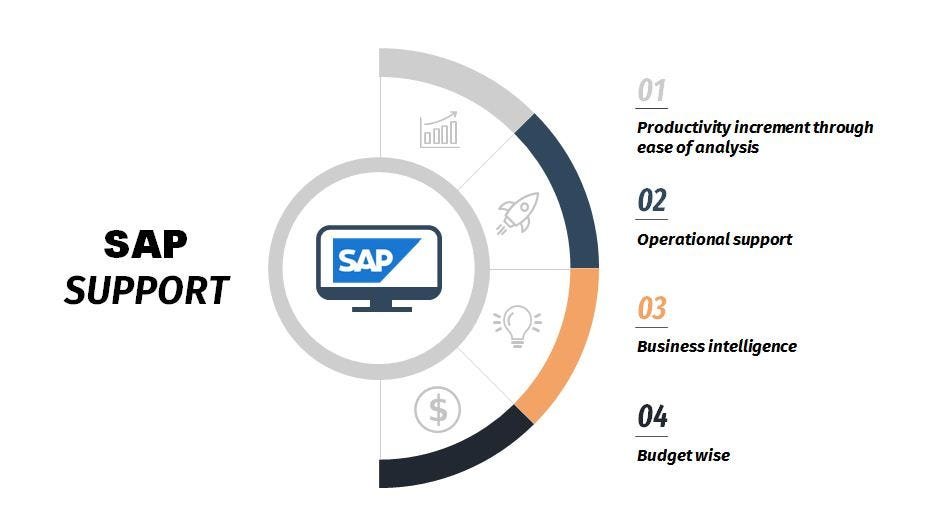
Unlocking Enterprise Bandwidth Through Automated Governance
Automated governance frameworks fundamentally transform how back-office teams manage regulatory compliance by removing the constant drag of manual audits and fragmented spreadsheet tracking. When internal audit groups and IT security personnel spend their days manually verifying transaction logs, reconciling user access permissions, and hunting down missing paperwork, core strategic initiatives inevitably stall. SAP Governance, Risk, and Compliance (SAP GRC) shifts this dynamic by automating control monitoring across complex enterprise resource planning environments. Understanding how this software integrates risk oversight into daily workflows helps organizations reclaim countless operational hours that would otherwise be wasted on repetitive administrative friction.
Bypassing Manual Audit Roadblocks With Continuous Oversight
Continuous oversight eliminates the traditional, high-stress scramble of gathering paper trails and compiling disconnected spreadsheets before strict regulatory deadlines arrive. Traditional compliance reviews historically required cross-functional corporate teams to spend weeks pulling system logs and cross-referencing user records by hand, taking valuable focus away from core business objectives. By automating these data-gathering steps, the SAP GRC suite allows internal staff to bypass tedious paperwork entirely and focus instead on higher-value analysis and strategic problem-solving. Furthermore, automated exception reporting catches compliance deviations instantly as they occur rather than months down the line during retrospective audits, drastically reducing the overall time spent on reactive firefighting.
Accelerating Daily Workflows Via Access Control and Risk Management
Access Control and Risk Management modules streamline everyday operations by automating user provisioning tasks and executing real-time segregation of duties checks across the board. Access Control validates user permissions proactively before system entry is even granted, preventing risky role combinations that would otherwise require costly manual intervention and remediation down the road. Risk Management centralizes enterprise exposure scoring, allowing leadership to evaluate operational vulnerabilities through unified dashboards without constantly chasing down departmental status reports. For broader insights on optimizing enterprise workflows and streamlining daily operational tasks, exploring maximizing productivity through efficient business operations can provide complementary strategies for modern organizations. This structural integration ensures that busy operational teams spend less time debating risk ownership and more time executing primary business objectives with total confidence.
| SAP GRC Component | Core Operational Role | Productivity Benefit |
|---|---|---|
| Access Control | Automates user provisioning and segregation of duties | Prevents compliance bottlenecks before system access is granted |
| Process Control | Executes continuous automated control testing | Reduces manual audit preparation hours significantly |
| Risk Management | Centralizes enterprise risk scoring and mitigation | Accelerates executive decision-making during market shifts |
Real-Time Visibility Versus Reactive Crisis Management
Real-time data visibility allows modern corporate teams to pivot their strategies instantly based on accurate metrics rather than relying on outdated quarterly reports. When risk assessments and compliance dashboards update dynamically, managers can spot emerging operational bottlenecks long before they impact project timelines or customer deliverables. Traditional compliance frameworks forced departments to operate in siloes, waiting for periodic reviews to discover control failures that had festered for months. By introducing unified analytics, SAP GRC empowers every department to coordinate their responses swiftly, maintaining high throughput and steady operational momentum even when external regulatory requirements shift unexpectedly.
Navigating Deployment Friction and User Adoption Challenges
Deploying automated compliance infrastructure requires careful, deliberate change management to overcome initial employee resistance to unfamiliar digital workflows and new system interfaces. Staff members who are deeply accustomed to legacy manual workarounds often hesitate when transitioning to centralized digital platforms, fearing a steep learning curve or loss of local control. Organizations successfully mitigate this friction by delivering targeted, hands-on training programs that clearly demonstrate how automated validation directly reduces their daily administrative burdens. Aligning the software rollout closely with existing enterprise IT infrastructure also prevents unexpected system downtime, protects data integrity, and preserves crucial team momentum throughout the transition.
Frequently Asked Questions
What is the primary purpose of SAP GRC in an enterprise?
The primary purpose of SAP GRC is to integrate risk management, global compliance, and corporate governance into a single automated framework.
How does SAP GRC reduce the workload for internal auditors?
SAP GRC automates audit trails, continuous control testing, and data gathering, which eliminates the need to manually compile spreadsheets and logs.
What is Segregation of Duties (SoD) in SAP GRC?
Segregation of Duties is an internal control mechanism enforced by Access Control to ensure no single user holds conflicting permissions that could lead to fraud.
Can SAP GRC integrate with non-SAP systems?
Yes, modern SAP GRC architectures offer integration capabilities to monitor risks and access controls across hybrid third-party IT environments.
What are the main challenges when implementing SAP GRC?
Common hurdles include user resistance to new workflows, complex legacy system integration, and the need for thorough employee training programs.
How does automated policy management save team time?
Centralized policy repositories and automated review tracking ensure teams instantly know current regulatory standards without scouring multiple departmental documents.
Disclaimer: Enterprise software features, implementation requirements, and compliance standards evolve continuously. Organizations should verify specific technical specifications and compatibility requirements directly with official SAP documentation before launching major IT initiatives.

Daniel J. Morgan is the founder of Invidiata Magazine, a premier publication showcasing luxury living, arts, and culture. With a passion for excellence, Daniel has established the magazine as a beacon of sophistication and refinement, captivating discerning audiences worldwide.


