
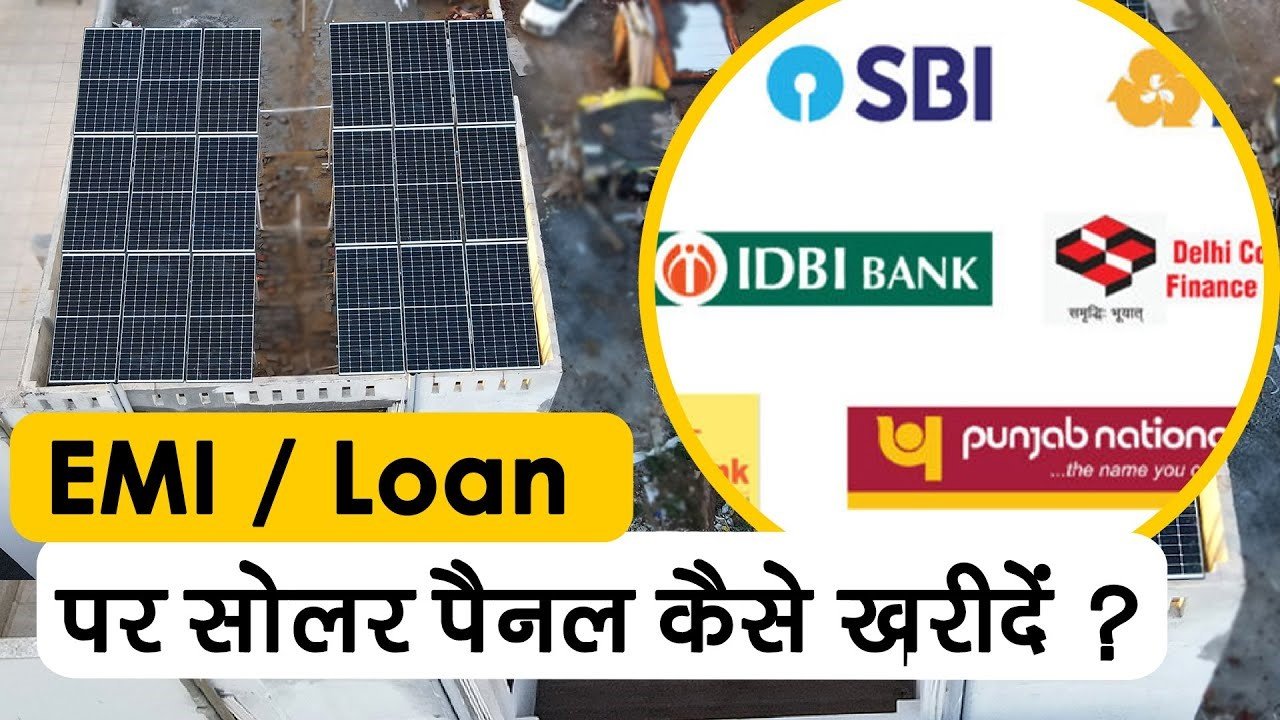
Investing in residential renewable energy is one of the most effective ways for homeowners to lower recurring utility expenses, increase long-term property equity, and shrink their household carbon footprint. Despite these clear advantages, many property owners find the initial purchasing process intimidating due to complex equipment choices, varying installation standards, and upfront financial considerations. In this comprehensive 2026 buying guide, we will walk you through every practical step required to acquire the ideal photovoltaic system for your roof while explaining local subsidy frameworks, modern panel specifications, and accessible EMI financing options.
Evaluating Your Household Energy Consumption and Roof Capacity
Evaluating household energy consumption and roof capacity involves analyzing historical electricity bills, cataloging daily appliance loads, and verifying sunlit surface areas before selecting equipment.
Start your solar journey by reviewing past electricity statements over a full twelve-month cycle to account for seasonal heating and cooling spikes. This review reveals your average kilowatt-hour consumption, which dictates the precise kilowatt capacity your roof requires. Next, evaluate the physical dimensions and structural integrity of your roof. Installers look for an unshaded area free from architectural obstructions, tall surrounding trees, or chimney shadows that could compromise energy harvesting throughout peak daylight hours.
Navigating Indian Solar Manufacturer Choices and Panel Technologies
Navigating Indian solar manufacturer choices and panel technologies requires comparing high-efficiency TOPCon bifacial modules against trusted domestic brands and warranty coverage terms.
Modern photovoltaic manufacturing has evolved past basic silicon wafers, introducing advanced options like TOPCon bifacial modules that capture direct sunlight on the front surface while absorbing reflected ambient light on the rear. When sourcing hardware in India, homeowners should prioritize established domestic brands such as Tata Power Solar, Luminous, and Loom Solar. These manufacturers engineer heavy-duty panels specifically tested against extreme ambient temperatures, heavy monsoon downpours, and regional dust accumulation.
Maximizing Savings Through Government Subsidies and Net Metering
Maximizing savings through government subsidies and net metering policies significantly offsets initial capital outlays and shortens the overall financial payback period.
Central and state-level regulatory frameworks in India offer substantial financial incentives, such as the PM-Surya Ghar rooftop solar initiatives, which directly reduce the net cost of home installations. Once your panels generate electricity, net metering agreements with your local electricity distribution company allow excess power to flow back into the public grid. The utility credits your account for this surplus energy, transforming your meter into a two-way financial asset that lowers your net monthly utility outlays.
Working Through the Professional Solar Installation Procedure
Working through the professional solar installation procedure ensures that certified technicians securely mount support frameworks, wire hybrid inverters, and test safety systems.
Qualified installation crews execute a systematic multi-phase process to guarantee structural safety and optimal electrical generation:
- Roof Assessment: Technicians inspect tile, concrete, or metal roof sheets to determine appropriate waterproof flashing and mounting brackets.
- Shadow Mapping: Installers verify that the designated array footprint maintains unobstructed exposure to sunlight year-round.
- Structure Anchoring: Heavy-duty aluminum mounting racks are bolted into load-bearing roof beams to withstand high wind loads.
- Inverter Integration: Grid-tie or hybrid power inverters are wired alongside DC/AC isolators and lightning protection equipment.
- Module Assembly: Solar panels are clamped onto the racking framework and wired securely into the central inverter.
Securing Flexible Financing Solutions and Solar EMI Plans
Securing flexible financing solutions and solar EMI plans eliminates the barrier of high upfront equipment costs by spreading payments across manageable monthly installments.
As digital lending expands across the renewable sector, top-tier energy brands partner with financial institutions to offer tailored credit options. Major manufacturers like Tata Power Solar work directly with lenders such as Bajaj Finserv to facilitate structured home solar loans. Homeowners can utilize several straightforward financing mechanisms:
- Credit Card EMI Conversions: Leading banking institutions like HDFC, ICICI, and SBI permit online purchases from vendors like Loom Solar, converting lump-sum balances into 3 to 6-month zero-interest or low-interest plans.
- Consumer Finance Cards: Buyers without credit cards can utilize third-party financing cards like Bajaj Finserv for instant loan approvals upon installation completion.
- Secured Home Improvement Loans: Property owners can approach commercial banks for specialized renewable energy loans backed by home equity.
Upgrading your residential energy infrastructure often pairs well with other property enhancements designed to maximize living comfort. To explore complementary structural upgrades that maintain property value and efficiency, review our guide on top trends in modern remodeling.
Frequently Asked Questions
How much can I save on electricity bills after installing solar panels?
Most residential property owners experience a 40% to 70% reduction in monthly power expenses, depending on system sizing and daily household consumption patterns.
What is the typical operational lifespan of a residential solar array?
High-grade photovoltaic panels generally function efficiently for 25 to 30 years, supported by manufacturer warranties guaranteeing at least 80% output performance at the 25-year mark.
Do residential solar panels require frequent maintenance and cleaning?
Solar arrays require minimal upkeep, though washing accumulated dust, bird droppings, and debris off the glass surface every few weeks ensures peak sunlight absorption.
Can my home solar system provide backup electricity during grid blackouts?
Standard grid-tie systems automatically disconnect during power outages for lineman safety, whereas hybrid inverter setups paired with lithium battery banks continue supplying emergency power.
How many years does it take for a residential solar investment to recover costs?
Factoring in current equipment pricing, government subsidy disbursements, and monthly utility savings, most homeowners recover their initial capital investment within 4 to 6 years.
Is official government approval required to connect solar panels to the local grid?
Yes, formal net metering clearance must be secured through your regional electricity distribution company before exporting surplus power and receiving billing credits.
What qualifications should I verify when hiring a professional solar installer?
Always confirm that your contractor holds valid electrical trade licenses, utilizes certified tier-1 equipment, and provides verified customer references for local projects.
Disclaimer: Solar equipment pricing, government subsidy frameworks, and loan interest rates are subject to change. Readers should verify final specifications, local grid regulations, and financing terms directly with official manufacturers and authorized local installers before making a purchase.

Daniel J. Morgan is the founder of Invidiata Magazine, a premier publication showcasing luxury living, arts, and culture. With a passion for excellence, Daniel has established the magazine as a beacon of sophistication and refinement, captivating discerning audiences worldwide.


[…] for readers interested in exploring broader online advertising concepts, you can check our guide on acquiring residential solar panels to diversify your digital research […]